


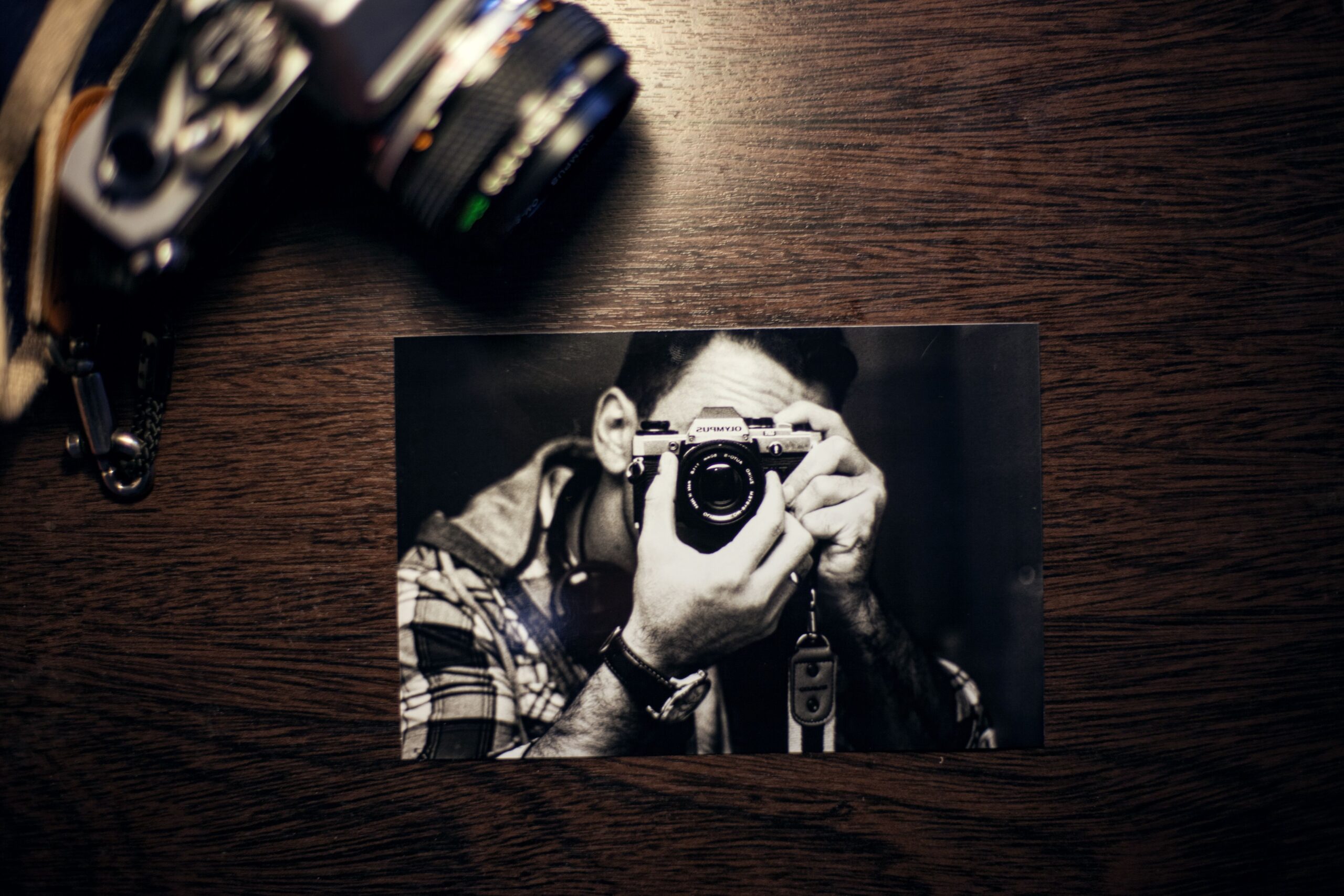
Photographers and digital artists constantly look for reliable ways to display and sell their work. Printing on aluminum panels has become a standard choice in galleries, homes, and modern office spaces. This method offers high contrast, sharp details, and long-lasting results. When you want to provide buyers with a clean, contemporary look that requires no framing, aluminum is usually the best option.
However, there are many printing labs on the market, and finding the right one takes time. You have to consider colour accuracy, shipping reliability, panel thickness, and mounting options. If you want to order high-quality metal prints in Canada, understanding the production methods and knowing which labs perform best will help you make a better choice.
This article outlines the top five printing services available today, explains the technology behind the medium, and offers practical advice on how to prepare your files for the best possible results.
What Makes a Good Print Lab?
Before looking at specific companies, it is important to understand how to evaluate a print lab. A good lab uses high-grade aluminum that is free from surface imperfections. They also maintain strict colour calibration standards, ensuring that the file you see on your monitor matches the physical product.
Shipping is another critical factor. Aluminum panels can be easily damaged if dropped during transit. The corners are especially vulnerable to bending. Therefore, the best print services invest heavily in custom packaging, using reinforced corners and rigid boxes to protect the artwork.
The Top 5 Services
Here is a look at the five best services for artists and photographers looking to print their work on aluminum.
1. Posterjack
Posterjack operates out of Toronto, Canada, and has built a strong reputation for producing high-definition aluminum prints. They use a dye sublimation process, which infuses the ink directly into a polymer coating on the metal. This results in vibrant colours and deep blacks. Because they operate locally in Canada, shipping times are fast for Canadian customers, and there are no unexpected customs duties. Their online interface is straightforward, and they offer a variety of float mount options that make the artwork sit away from the wall for a professional gallery look.
2. WhiteWall
WhiteWall is based in Germany, but they ship globally and have a massive following among professional photographers. They are known for strict gallery standards. WhiteWall offers direct UV printing on brushed aluminum as well as traditional dye sublimation. Their direct print option leaves the brushed metal visible in the lighter areas of the photograph, which creates a unique metallic effect. They offer custom sizing down to the millimeter, making them a great choice for artists working with non-standard aspect ratios.
3. Bay Photo Lab
Bay Photo Lab is located in California and has decades of experience serving professional photographers. They offer one of the widest selections of finishes on the market, including High Gloss, Mid-Gloss, Satin, and Sheer. Their Sheer finish allows the metal grain to show through the image, which works very well for black and white photography or industrial subjects. Bay Photo also provides excellent colour management and offers robust packaging to ensure safe delivery across North America.
4. ProDPI
ProDPI is highly regarded in the professional wedding and portrait photography industry. They focus strictly on colour accuracy and consistency. When you order from ProDPI, you can download their specific ICC profiles to soft-proof your images in software like Adobe Photoshop before ordering. This ensures there are no surprises when the print arrives. They offer competitive pricing for professional account holders and construct highly durable mounting blocks for the back of the panels.
5. Mpix
Mpix is the consumer-facing division of Miller’s Professional Imaging. While they target a broader audience, their print quality remains excellent. Mpix is a great choice for emerging artists who are just starting to sell their work and want a reliable, cost-effective option. Their turnaround times are incredibly fast, often shipping within a few days of receiving the order. While they have fewer custom sizing options than WhiteWall or Bay Photo, their standard sizes cover all the common dimensions photographers need.
The Printing Process: Sublimation vs. Direct UV
To choose the right product, you should understand how the image actually gets onto the metal. There are two primary methods used by the labs mentioned above.
The first method is dye sublimation. In this process, the lab prints your image onto a special transfer paper using solid inks. This paper is then placed on top of an aluminum panel that has a special polymer coating. The panel and paper go into a heat press. Under high heat and pressure, the solid inks turn into a gas and are absorbed into the polymer coating. When it cools, the ink is permanently locked inside the surface. Dye sublimation prints on aluminum can last for over 60 years without significant fading when kept in normal interior lighting conditions.
The second method is direct UV printing. In this process, a flatbed printer sprays ink directly onto the surface of the aluminum panel. As the ink hits the metal, UV lights instantly cure and harden it. This process is faster and often cheaper. The ink sits on top of the metal rather than inside a coating.
| Feature | Dye Sublimation | Direct UV Print |
| Ink Placement | Infused into the coating | Sits on top of the surface |
| Durability | Highly scratch- and water-resistant | Prone to scratching if not handled carefully |
| Colour Vibrancy | Very high saturation and contrast | Good, but often less vibrant than sublimation |
| Surface Texture | Completely smooth | Slight texture from the cured ink |
| Best Use Case | Fine art photography, vibrant digital art | Industrial looks, outdoor signage, budget prints |
Advantages of Choosing Aluminum
Artists and photographers offer aluminum prints to their clients because the medium solves several common display problems. Selling traditional paper prints usually requires the buyer to find a frame, cut a mat, and handle fragile glass. Aluminum panels remove these steps entirely.
Here are the main reasons professionals choose this medium:
- Ready to hang
Most panels come with a float mount or wire hanger attached to the back, meaning the client can put it on the wall immediately after unboxing.
- Moisture resistance
Because there is no paper or wood involved, these prints can be safely hung in bathrooms, kitchens, or indoor pool areas where humidity would destroy a traditional framed print.
- Easy maintenance
The surface can be wiped clean with a microfiber cloth and standard glass cleaner. You do not have to worry about dust getting trapped behind glass.
- Lightweight
Despite being made of metal, thin aluminum panels are surprisingly light. Large pieces do not require heavy-duty wall anchors.
How to Prepare Your Files for Print
Sending the correct file type to the lab is the most important step in the process. If your file is not prepared correctly, even the best lab will return a poor result.
Before uploading your image, you must check your colour space and resolution. The colour space determines the range of colours your file contains. Most commercial labs require files to be in the sRGB colour space, although some high-end pro labs accept Adobe RGB. Providing the wrong colour profile usually results in images that look flat or have a strange green or magenta cast. For a deeper understanding of how colour profiles affect digital files, technical resources like Cambridge in Colour provide statistical breakdowns of gamut ranges between standard monitors and print outputs.
Follow these standard steps to prepare your file:
- Calibrate your monitor. Use a hardware calibration tool to ensure your screen is not too bright. Monitors are backlit, while prints reflect light. If your screen is too bright, your final print will look too dark.
- Check the resolution. Aim for 300 pixels per inch (PPI) at the final print size. If you are printing a 24×36 inch panel, your file should ideally be 7200×10800 pixels.
- Apply output sharpening. The dye sublimation process can cause a very slight softening of the image as the gas expands into the coating. Applying a small amount of extra sharpening to your final file will counteract this effect.
- Leave a bleed margin. In dye sublimation, the transfer paper is slightly larger than the metal panel. Important details or signatures should not be placed within the outer quarter-inch of the image, as they might be cut off during production.
Choosing the Right Finish
When you order, the lab will ask you to select a finish. The coating on the aluminum dictates how light interacts with your artwork. Your choice should depend on where the piece will hang and what the subject matter is.
| Finish Type | Characteristics | Best Suited For |
| High Gloss | Highly reflective surface, deep blacks, maximum colour pop. | High-contrast landscapes, vibrant digital art, night photography. |
| Satin / Semi-Gloss | Reduced glare, smooth surface, slightly softer contrast. | Portraits, well-lit rooms with many windows. |
| Matte | No reflection, flat surface, muted colours. | Fine art, pastel artwork, spaces with direct overhead lighting. |
| Sheer / Silver Base | Transparent base allows the metal grain to show through the image. | Black and white photography, architectural and industrial shots. |
If the artwork will hang in a living room with large floor-to-ceiling windows, do not order High Gloss. The reflections from the windows will hide the image entirely. Satin or Matte finishes offer a better viewing experience in bright rooms. If you are hanging work in a dark gallery with specific directional spotlights aimed at the wall, High Gloss will make the colours look vibrant and three-dimensional.
Maintenance and Care Instructions
Once you or your client receives the artwork, maintaining it is very simple. However, communicating proper care instructions to your buyers will prevent accidental damage.
First, never use abrasive materials to clean the surface. Paper towels can leave micro-scratches in the clear polymer coating over time. Always use a clean microfiber cloth. If there are fingerprints or smudges, a mixture of water and a small amount of isopropyl alcohol works perfectly. Spray the liquid onto the cloth, not directly onto the metal panel, and gently wipe the surface.
Second, while sublimation inks are highly stable, don’t place artwork in direct, constant sunlight. UV rays will eventually degrade any pigment or dye. Recommend hanging the piece on walls that receive indirect light.
Finally, handle the panels by the edges. The corners of a large aluminum panel can bend if they strike a hard floor. When moving the artwork, keep it in a box or wrap the corners with foam blocks.
Conclusion
Printing on aluminum is a highly practical way for photographers and artists to display their portfolios. It gives your clients a ready-to-hang piece of art that looks modern and professional. Using a trusted lab like Posterjack, WhiteWall, Bay Photo Lab, ProDPI, or Mpix makes sure your digital files look correct in the physical world.
Pay attention to the printing technology. Dye sublimation provides better colour and longevity than direct UV printing. Take the time to prepare your files properly with the correct sRGB colour space and high resolution. If you choose the correct surface finish for your lighting environment and follow basic cleaning rules, your aluminum prints will remain sharp and vibrant for decades.