


Sometime back I got news about Magnify Digital’s ScreenMiner software being used by Canadian partners like TELUS Fund and Rocket Fund. But it goes beyond that as it signed a deal with a funder from New Zealand, Te Māngai Pāho. ScreenMiner serves as an AI-enabled audience intelligence system which monitors audience numbers on any platform. Those insights can come in real handy and thanks to certain partnerships ScreenMiner is making, it not only benfits producers and funders, but also other companies. Take Tartanbond for example, that’s a company that works hard in strategic communications, managing reputation, and best of all, media relations. Tartanbond can reach out to producers, broadcasters, and distributors in helping figure out a way to engage audience, and Magnify Digital can use ScreenMiner to measure the audience. A win-win for everyone involved.
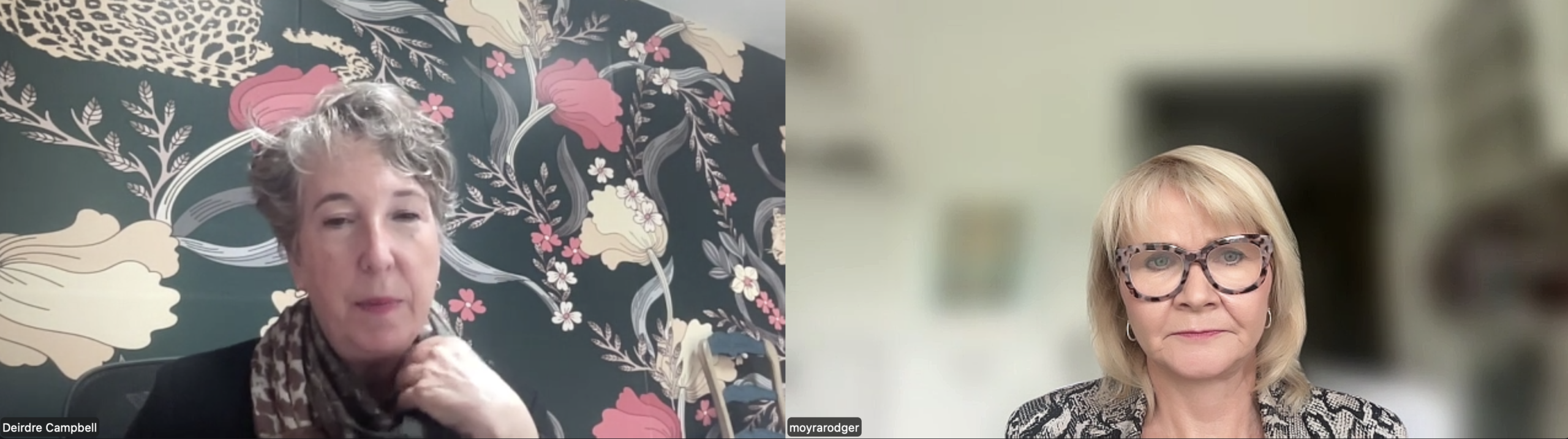
So how does it work? I spoke to the operators of these two companies, Deirdre Campbell of Tartanbond and Moyra Rodger of Magnify Digital one nice day and they gave me some great info. Hopefully this will give you some insight as well and you just might consider working with these two companies to find your audience.
HNMAG: First off, congrats on the partnership. How did this come together?
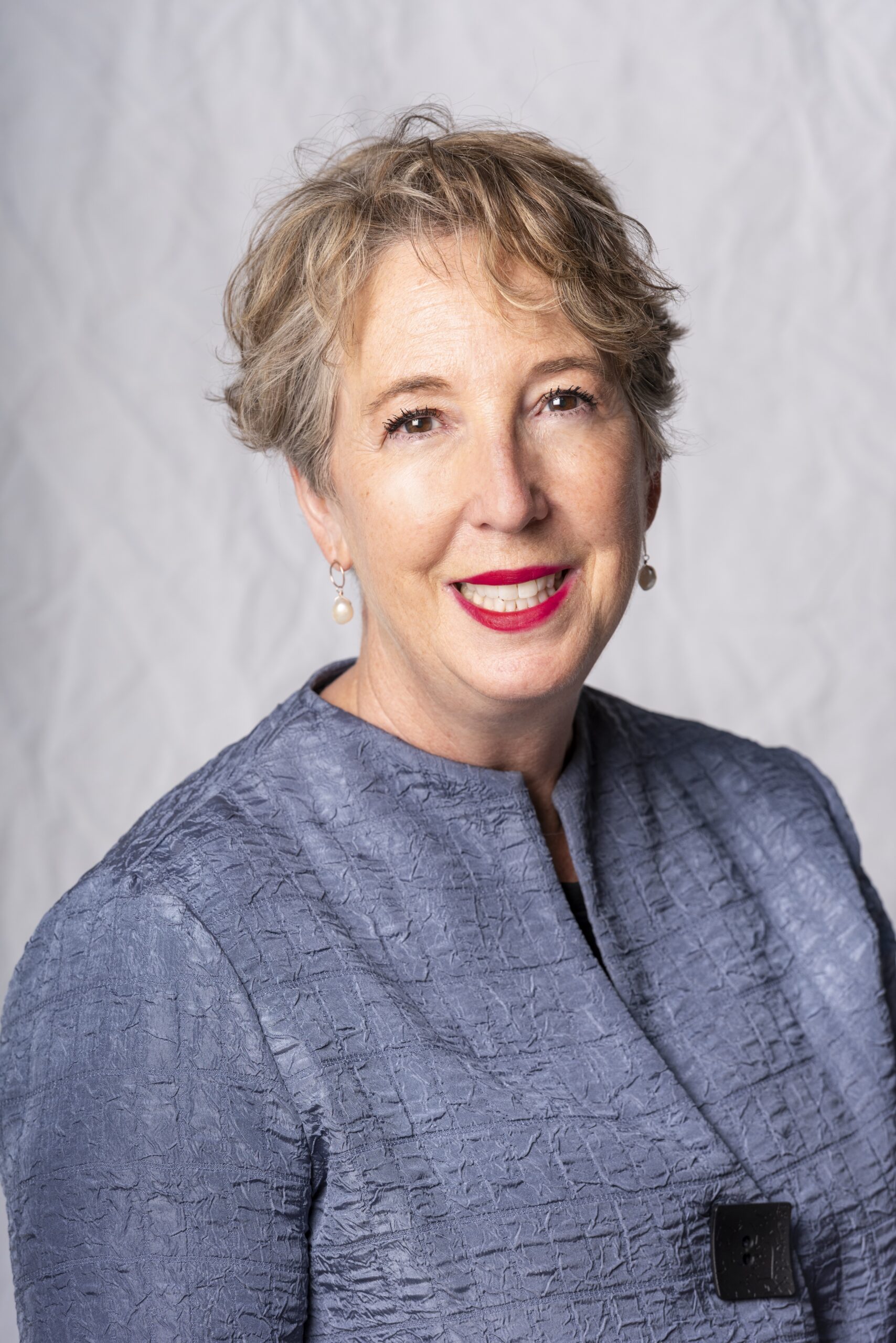
Deirdre Campbell: Moyra and I, go a long way back. We both ended up in Victoria over 35 years ago working in different jobs. I was PR for Director of The Empress, and Moyra was at check and we ended up being roommates. So we’ve ended up knowing each other for many many years. Then consequently kept in touch as we were growing our businesses but in similar ways, and different ways at the same time as well. We’ve always been talking and sharing business stories and it just came up that we both had a need about 3 months ago and the need was I needed more magnified digital strength and audience signantation and ways in discovering how to grow audiences and Moyra also mentioned to me that she was in need of some more teaching management public relations. What started as a very casual conversation about us got really serious and how we could work together.
HNMAG: The partnership is a combination of Screenminer and Tartanbond’s abilities. Are there other resources being included as well?
Moyra Rodger: Yeah, we’re actually bringing Magnify’s full agency tool kit, so audience strategy, digital marketing, and the data analysis that we do with our Screenminer software. And integrating that with Tartanbond’s PR and Crisis communications. Screenminer is the intelligence engine underneath it all but the real power is in how I think these capablities work together as one integrated offering. Their fragmented, if a client needs public relations they are a unit publicist, or the ways things have worked traditionally, we also have the backing of our production company because I’ve been a producer for years. We’ve kind of got the full marketing mix from content creation through strategy and PR.
HNMAG: So you have done some past work as a producer? That’s interesting.
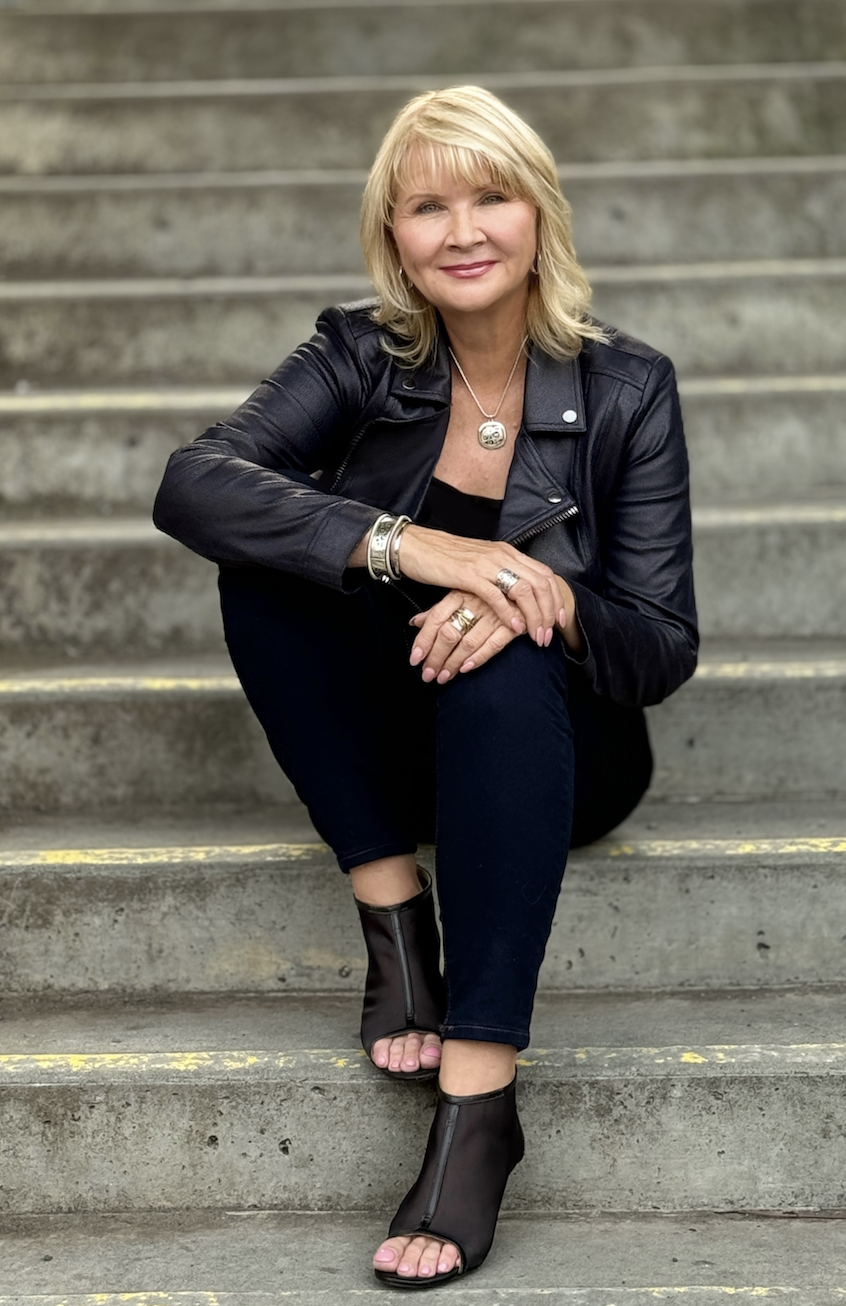
Moyra Rodger: I always say I am a recovering producer, that is my first enduring passion. I was a producer for about 20 years. We did primetime programming, a lot of it for CBC. I did documentary, directed some scripted, we sort of fell into a niche doing multicam music shows. I did Ann-Marie’s last television special for CBC not that long ago and Bryan Adams Christmas Special for Rogers. I haven’t really produced since I started this company, but I did step back in for a minute to work on that Bryan Adams show recently.
HNMAG: Now let’s focus on PR. Why is it important in our film industry?
Deirdre Campbell: I think Public Relations is important for every industry and we often talk about it as marketers and PR experts. We talk about sharing it online, but PR focuses on sharing that heart and that achievement that’s so critical. I think over the 25+ years I’ve had my company, what I’ve noticed is that people tend to leap into implentation and they go into intuition rather than from data and analysis of where the audience are. We really believe strongly in creating strategy but that strategy is about building reputation about not only what you do and how you do it, but why you do it. I think in the film and TV industry, we’re seen more and more. It’s very competitive, people want to know why they should be watching something, there’s so many choices and you can see it now more and more, the successful production companies are the ones that are going deeper into the storytelling. I think PR brings that to life and I talked about my journalistic background and the things we bring to the table as we are good at finding where the stories are for the right audiences. Engaging those audiences with the content that they’re looking for. I think it just helps drive more engagement and connection and enduring loyalty to the programming that’s out there.
Moyra Rodger: If I can just add, one aspect about storytelling, sometimes it’s the story about the story. That is what can drive that visbility or discoverability as we like to call it.
HNMAG: And with it evolving, how do you keep PR updated to stay consistent for film?
Moyra Rodger: You have to follow the audience, so what they’re saying, where they’re responding to what platforms they’re on, and what they’re reading. That’s where we get into that system of content so when I was producing years ago, I produced my TV show and then a trailer and that was it. It was over to the broadcaster in my case to build the audience. We know that 62% of audiences are finding what they’re going to watch on social media so that means in this era of fragmentation you have to create other assets to wrap around and think of it as an ecosystem of content and people in storytelling is very much part of that and place that content in multiple platforms and places where people can find it in order to get that share of attention that Deirdre’s talking about that is so hard to capture.
Deirdre Campbell: It’s constantly evolving, we are looking at who are truly the influencers. Who are trusted, that includes media outlets, that are considred to be very values driven, trusted sources now more than ever because there’s so much misinformation out there. We were constantly looking at where people are finding their information and responding to that information, and that’s where tools like Screenminer really help and what attracted us to working with someone who has more of a digital expertise like Magnify has. I think that’s critical, more and more we’re looking at community-based. As you go for communities, because we do a lot of crisis and issues management. When we need to get a story or information out, it’s not necessarily going to be in the big National Press or CBC. It’s actually going to be in those castanets, the online community’s pages is where people go to get the most updated information so really understanding where audiences are gathering and getting their information from what they believe are trusted sources. That’s becoming more and more critical and that’s why we really wanted to work closely when Moyra was explaining more to me how she was working the film industry and we’re working in the tourism industry where it also includes film and tv production. It just resonated for me that we needed that skillbase to be able to going in to dig deeper and to find the communities we’re going to connect with and find whatever they’re hunting for in a story or whatever client to be aced with.
HNMAG: So you check these sources and find methods to keep things engaging for the audience?
Deirdre Campbell: Absolutely, and we also need to know what’s their background and where they’re from. Our clients want to make sure that we’re putting information in the right places, that again are going to drive that engagement and direction. So it’s really important for us to do that due dilligence as well.
HNMAG: Why is audience intelligence important for keeping projects going?
Moyra Rodger: Yeah, because gut instinct only takes you so far. Data tells you what’s resonating, who’s showing up, where you’re losing people, and it’s about you have to give people something to be part of. Not just something to watch. Community is so important, and sometimes people only want to just drop in and have an appetizer [segment of the content]. I think that shows like Eyes in the Woods, Canadian series that has over 70,000 views across all their content. I have permission to share this from the producers because we have talked about their data publicly before. But it’s about using an example of how they built and audience first then ulitmately they were able to spin that into a series for OutTV and OutTV go. But I think people really want that community and we see this happening across the border, the world, Hollywood is really leaning into this. Fox Creator Studios so heavily just this past week were empowering creators to produce and go to the audience because that always comes first.
HNMAG: And how will you use data and communication in operation together to make audience engagement even more stronger?
Moyra Rodger: It’s all about tracking what is working where, and so what we’re able to do with Screenminer is bring those signals together. Instead of looking at them, at a final report where it’s too late to do anything we can track trends, see what content’s resonating, if Dierdre is stimulating earned media that is getting shared across social media by producers, then we’re able to track how that content is resonating, and if people engage with it, we can see on Facebook and Instagram we can then see what the demographics are, if they’re commenting, we can analyze their comments at scale so we can put our finger on the pulse of what’s resonating and hone the strategy as we go. That’s how it all comes together.
HNMAG: What will this mean for producers, broadcasters, and creators in media today?
Deirdre Campbell: They’ll have far better insight to how audiences are reacting to what they’re producing, but they’ll also be able to interact with us to understand how they can set up a strategy that is measurable and I think that’s critical. What we’ve seen with the clients that we’ve had over the years with the clients that we’ve had: span, lifestyle, tourism, film, and television is that there is that if they don’t have the measures in place, it’s too late to course correct once you get a report after the fact why you didn’t have a successful engagement or show or hotel opening. It’s too late to do it when you look down 2 or 3 months later whereas we allow you to create that strategy, the measures that constantly be in place to check so you can adapt and build on a positive and figure out why is there negativity. With so many people talking out there now and so many ways people are gathering information. Opportunity for a story to get misunderstood or something to be seen as tonedeaf, we see that all the time. Now whereas somebody says something offhand and it gets mixed up and people then spread it around social media, we have to correct that but understanding what the sensitivties are before you start promoting and going out there. It just gives you that opportunity to manage it more proactively and positvely. Also to correct it quickly if something is going sideways.
Moyra Rodger: They get a strategic partner that both divides the creative world and the commercial world. So we can help them build audiences earn back their reputation and make a really incredible case for their projects and community building.
HNMAG: And you mentioned taking on lifestyle clients in the past, but what other genres have you taken on?
Moyra Rodger: We’ve got a few things in the works right now, which I don’t think we should probably name at this moment because of NDA’s, but we’ve got a couple of feature documentaries that are really impact storytelling. Pretty exciting, we’ve got a series that we’ll be working on about a health story in remote parts of Canada. We got some kids content and kids is really interesting. Children and Youth content is having a really hard time in this country. When it comes to building target audiences in terms of the age group, it can have a particular challenge trying to grow an online audience because of the minimum age on social platforms and sensitivities and safeties around social platforms. This is again where earned media can play an important role into going onto publications online or otherwise, that parents and educators are actually reading.
Deirdre Campbell: Then from our end, we are very much involved in the tourism industry as well. Then again, that experienced development, that destination of clients that are interested. It’s crazy right now when it comes to traveling and tourism, but more important to understand how travelers are feeling, and what type of traveling information that they want. Leaning more towards how safe the destination is, and things like that. Screenminer really allows us to truly understand that upfront so we’re working with those experienced providers and destinations and actually presenting stories and information that’s going to build that trust and share of heart. That’s part of what we do, we also have some retail clients so I think what we bring to the table is we have experience across many industries. But a deep, deep knowledge of this particular industry, so we can actually what we’re learning from other industries and bring it to the table. Everyone is really into audience engagement right now.
HNMAG: It’s interesting that you’re connecting these other industries with your work now, but how did you get connected with these other industries?
Deirdre Campbell: Well there’s some thru-lines, absolutley. My background started in the tourism industry with hotels and then working with destinations. Some of our destinations, like Jordan for example, film is a big part of how they built trust. If you think of The Martian and some of those other big films. Lawrence of Arabia was a big driver for them to shoot their destination in a way that connected people to the story in a world that was maybe considred unknown and therefore unsafe, but then became alive through a movie and so film tourism from the stuff people have seen in the movies and tv shows is a big driver. BC’s really leaned into that, it’s a big deal across Canada. The cabin that was in Heated Rival, we just had a team of journalists go there from UK, Germany and China. That put Miskoke on the map, they not only went to see the beautiful cottage but they also saw the town and they’re going to write about that town and that’s going to drive that experience. We’ve definitely had that connection throughout our 25 years.
Moyra Rodger: The way we look at it now is that almost every brand is a media company. Whether you’re Air Canada, a small destination, everyone is creating content to try and capture attention so video is key to that. I think maybe there’s a lot of opportunities that we’re not fully exploiting to the need for brand storytelling and opportunities for the phenomenal storytellers for the Canadian Screen Industry. It all is boiling down to story and the days of performance marketing where it was very transactional and everyone was completely focused on the cost of conversion for example. We’re seeing brands almost lean into more of a traditional approach and that they’re really investing in their brand. But what does that come down to? Community. No matter what the sector, we’re talking about the same themes of putting out content that will engage people across multiple platforms that will get attention. Telling great stories, building communities, measuring it and doing more of what works.
Deirdre pointed out how measurement was key and how they offer it, as that has been stated what I believe to be multiple times in this article. I had to ask some other questions regarding practice in this business.
HNMAG: There’s mention of pairing reputation strategy with audience intelligence. Are there other strategies as well in case one needs a little more variety?
Moyra Rodger: I think Crisis implications is a big key, influencer development, internatonal marketing, we’re all functioning in a global marketplace and we certainly have a prime minister who is working in a very global posture and is supporting export in a really exciting way in my view. We need to be thinking about what strategy is for beyond building Canadian audiences across platforms. It’s never one size fits all, so we build it and then execute based on the specific challenge or goal, but that requires some of the other elements that come into play. I think one element we bring to the table that we’ve learned over the years as we worked with development for example in launching Indigenous experiences is that stakeholder engagement and community engagement, I think a lot of people and brands don’t take advantage of the people that are closest to it and excited about it and use them as endorsers. We always call it ‘That friend-of-mine awareness’ where you see all your friends talking about something on social media, doing that understanding of all the people who have a sense of ownership, with the project or film that you did. In my neighbourhood, when Maid was filmed here, it was a big deal and of course, when the show came there was a watch party because people wanted to see their homes and things like that. It’s creating that sense of excitement and share of heart that I don’t think people spend enough time on doing.
Deirdre Campbell: Well, I think of some of the really great work that Telus Fund Film sponsors, promoting health and wellbeing of Canadians and oftentimes there’s multiple stakeholders. We worked on a fantastic series called Transplant Stories and they had mutlple partners: The Regional Health Authority and whatnot, and that was very much a matter of bringing everyone together and getting them very involved in that, making sure they had the images, assets, messaging, and it was very effective in building a community. In that case what we saw, because we were able to actually measure it through the minor impact survey. The engagement actually encouraged people to take action about organ donation and socializing conversation and even putting their names on the registry.
HNMAG: What are some of the biggest hurdles you have to overcome?
Deirdre Campbell: I think we hit the ground running, the minute we discussed it and started it, we’ve had immediate opportunities to work with each other which has been thrilling. Once we created the integrated opportunities with what we had to offer and immediately clients that were coming for, so there hasn’t been hurdles as of yet. I think looking back at work that I’ve done in the past is convincing people to put in the time and strategy upfront. People tend to want to just order too late before they bring a group like us in so that we’re kind of having to create a strategy we’re also implementing because of timelines, that’s always harder. Versus time to look at what success looks like. We have to measure it and identify it again.
Moyra Rodger: I think the biggest issues are the macro issues facing the film and television industry are the biggest frictions. Producers who have a lot of downward pressure on them, particularly in the last little while have to now be marketeers and that skillset doesn’t necessarily exist because I never had to really market or think that much about the audience in my career. We’ve got a skills gap, a budget gap, the Nordicity report that came out was run by the CRTC show, I think that put something like 4-6% in all budgets of building an audience for them. You contrast that with a Hollywood blockbuster, that often has a budget for marketing that is equal to production. Barbie was 165 million in production budget, 7 million in marketing. If we aren’t investing in building audiences, what we’re doing is continuing to make great content that isn’t necessarily being seen. Then the other thing is we’re very fixated on the data we don’t have, there’s very much discussion on getting and viewing data from American streamers. I think we’re still waiting for the industry to come around to the fact to say that in this ecosystem of content that you create around a product, you are immediately generating the valuable content that we have been advocating for a decade and that we built Screenminer to serve. I think there’s some of those larger macro issues that are the bigger friction points. We’ve been fortunate to be able to maneuver through them with our existing clients and early adapters and whatnot. That needs to be resolved for the wellbeing of the sector.
HNMAG: What clients are you hoping will really benefit from this project?
Moyra Rodger: I think Canadian content whether the client is a distributor or producer or filmmaker, a funder, a broadcaster, a platform, it’s about getting Canadian content reach and engagement that it deserves because we’re amazing at making content. We need to get equally strong at making sure that doesn’t just get made but also seen.
Deirdre Campbell: We mean Canadian producers, Canadian filmmakers, and I think that’s true. We see that across all of our areas, especially the tourism industry. Everyone is a filmmaker, every brand if you see more and more, and what our destinations are doing, they’re telling stories. I get that we are amazing at creating those stories, but let’s make sure they get seen and engaged with. Canada’s brand is so strong right now, we’re building trust and credibility right now more than we ever have and I think it’s been there but it’s fantastic to see. We just want to help get the word out to more of a global audience.


Sounds like a good solid plan between the two and I like how they’ve known each other for a long time even. I can’t wait to see what other partnerships form out of this one or what kind of clients they’ll attract.