


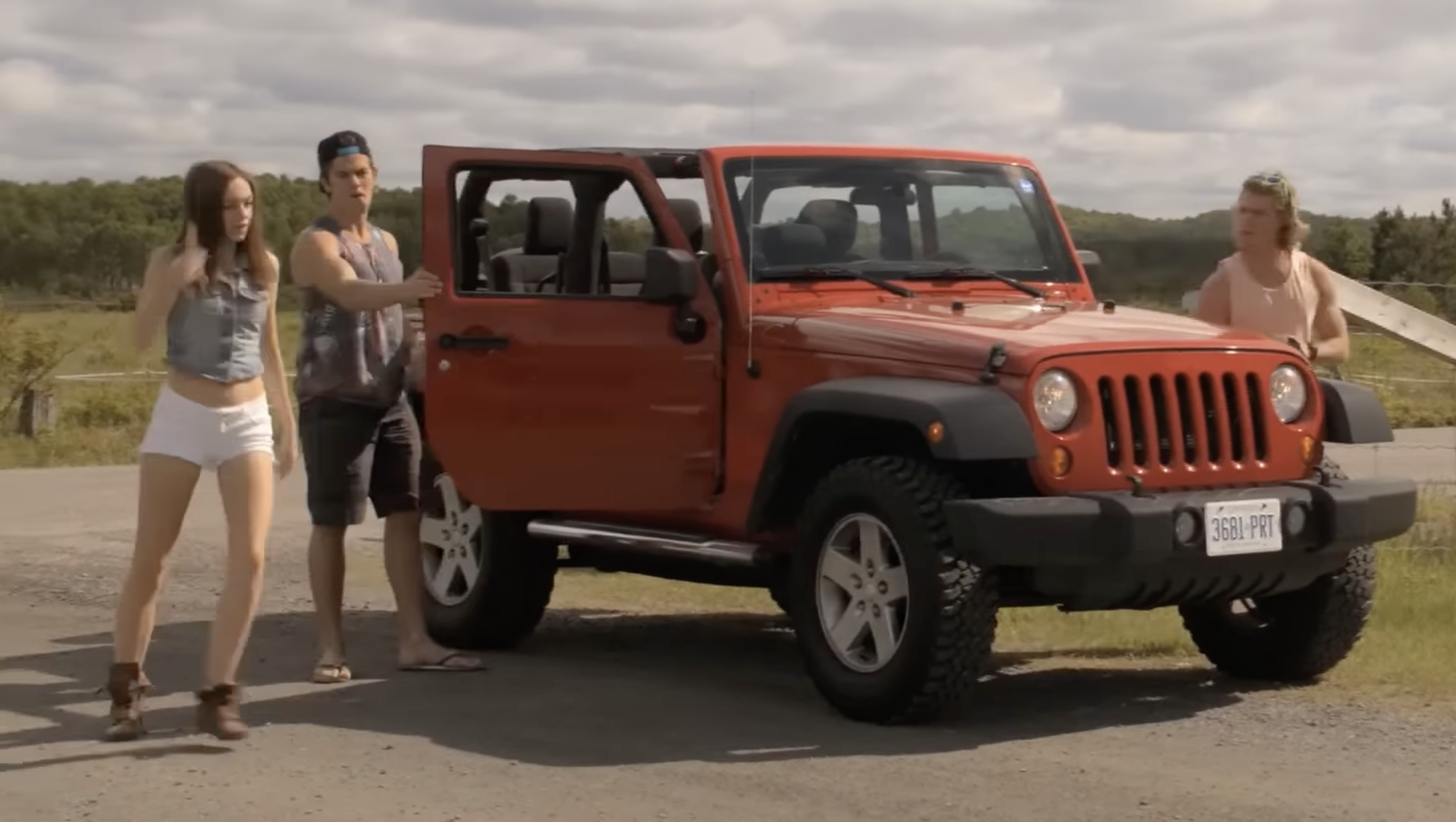
Try watching a single episode of a certain small – town Canadian comedy without pausing, and there’s a good chance half the jokes will slip right past. Blink during a rapid exchange between two characters at the local farm stand, and a punchline built three lines earlier is already gone. This isn’t a flaw in the writing. It’s the whole design. The show asks its audience to work for the laugh, and that’s exactly why so many people end up watching the same episode twice.
The Shape of the Speech Itself
What sets this show apart from most sitcoms is the rhythm of its conversation. Characters talk over one another, cut sentences short, and pack references into throwaway lines that sound almost incidental. A hockey player’s insult and a farmer’s dry one-liner don’t follow the same pattern, and the show never explains the difference – it just lets both styles run at full speed, side by side.
Anyone curious about the full run of episodes and season history can find the complete catalog on Letterkenny‘s IMDb page, which lays out just how much ground the series covered across its run. What stands out when scanning that catalog is the sheer consistency of tone from the first season to the last – the writers never slowed the pace down to make things easier on new viewers.
Two Jokes for the Price of One
A large part of the appeal comes from how often a single line does double duty. There’s the joke sitting right on the surface, the one that gets an immediate laugh, and then there’s a second layer underneath – a callback, a regional reference, or a bit of wordplay that only registers once the viewer already knows where the scene is headed. First-time viewers usually catch the first layer and miss the second entirely. That’s not a criticism of the audience. The lines move too fast for anyone to catch everything the first time through, and the writers seem to know it.
Repetition plays a large part here too. Certain phrases get reused with slight variations, building a kind of internal shorthand between the show and its audience. On a first watch, these repeated lines can seem like filler or habit. On a second watch, they start to look like a running thread that connects entire seasons together.
Learning to Hear Each Character
Every group in this town has its own way of talking, and the differences are consistent enough to function almost like separate dialects. The hicks speak in clipped, understated exchanges. The hockey players lean into exaggerated bravado. The skids twist ordinary words into something that sounds half – invented. None of this is spelled out for the viewer – it has to be picked up through repeated exposure.
This is where a second viewing pays off the most. Once a viewer has a feel for how each character group actually talks, jokes that seemed like background noise the first time suddenly land with full weight. A line that felt random on the first pass turns out to be a character behaving exactly as expected, which is its own kind of payoff.
Jokes That Wait for Their Moment
The writing doesn’t limit itself to single scenes or single episodes. Some of the most rewarding lines are ones planted an episode, or even a season, before they pay off. A comment made in passing during one storyline can resurface months later as the entire premise of a joke, and the connection only makes sense to someone who remembers the original line.
This kind of long-form setup is not unusual in comedy writing overall – plenty of shows use running gags – but few commit to it as tightly or as quietly. There’s no signal that a callback is coming. The audience either remembers the earlier line or they don’t, and the show doesn’t pause to remind anyone.
The Pace Is Not the Obstacle
It would be easy to describe the speed of the dialogue as something to get past, a barrier standing between the audience and the jokes. That framing misses the point. The pace is the mechanism that separates a casual, half-attentive viewing from one where the audience is actually leaning in. Slower delivery would make every joke easier to catch on the first pass, but it would also flatten the show into something far less distinct.
By keeping the dialogue fast and layered, the writers create two different versions of the same episode: the one a first-time viewer experiences, and the sharper, fuller one that shows up on a rewatch. Few comedies manage to build that kind of structural depth into something that still plays as a quick, breezy watch on the surface.
A Show Built to Be Revisited
None of this happens by accident. The density of the writing, the consistency of each character’s voice, and the long – distance callbacks all point to a show that was built with rewatching in mind from the start. That’s a rare thing in comedy, where most jokes are written to land once and move on.
For anyone who watched an episode and came away thinking they missed something, that instinct is probably correct. The second watch isn’t about catching up. It’s where the show actually finishes telling the joke.