


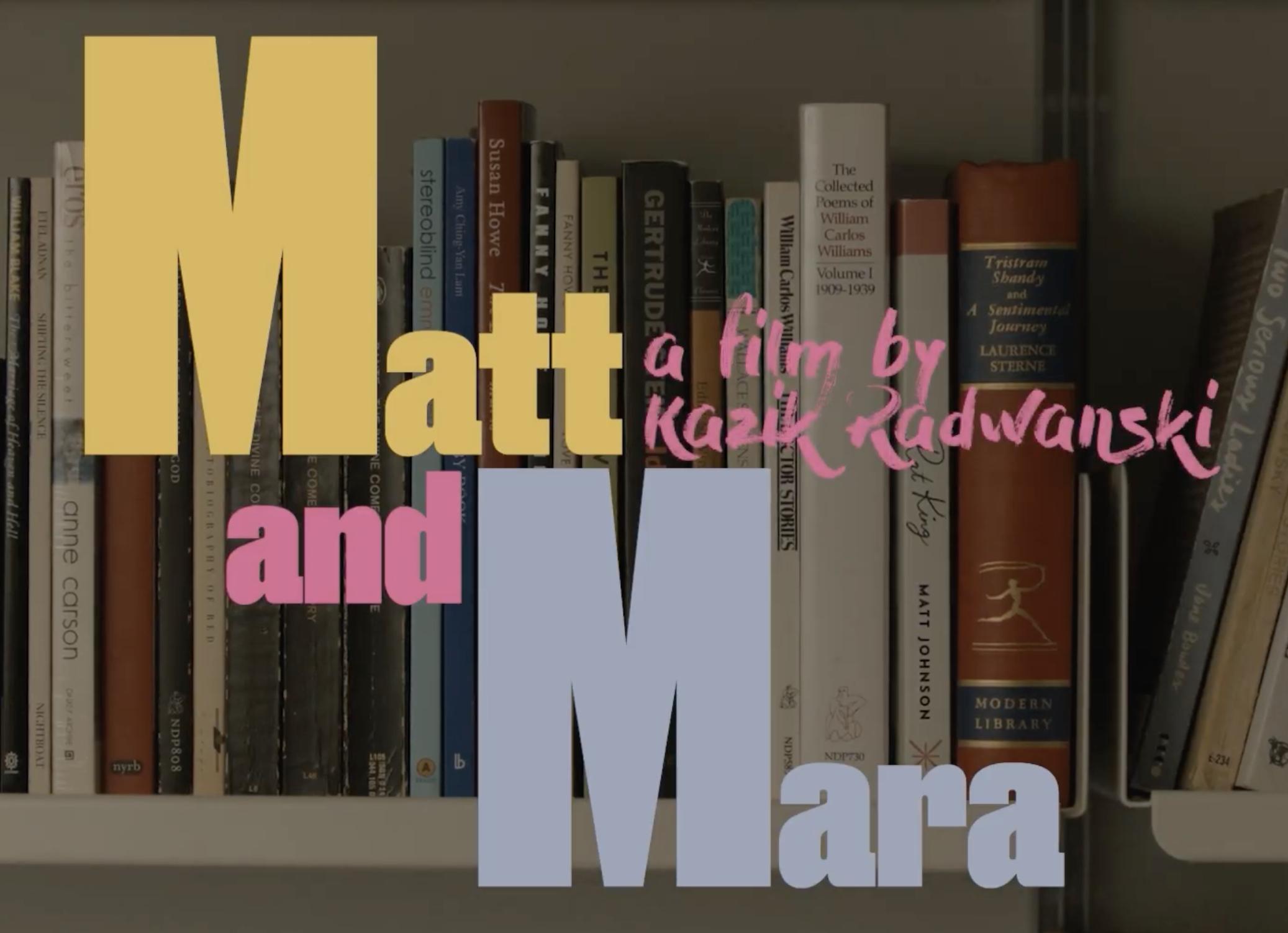
Kazik Radwanski’s Matt and Mara lasts only 80 minutes, yet it builds a marriage crisis from gestures, pauses and choices rather than loud arguments. Mara, a creative writing professor played by Deragh Campbell, reconnects with Matt, an author from her past, while her marriage to experimental musician Samir is already strained. The key question isn’t simply whether Mara will leave. It’s what this renewed friendship reveals about the life she already has.
Establish Mara and Samir’s Marriage Before Judging Matt’s Role
Start with Mara and Samir, not Matt. That order matters. Canadian Cinema often gives relationship conflict a major event, but Radwanski works with smaller signs. The official synopsis says Mara’s marriage is strained before the road trip, so Matt shouldn’t be treated as the sole cause. Samir, played by Mounir Al Shami, is an experimental musician; Mara teaches creative writing, and they have a young daughter.
Watch the ordinary moments. Radwanski has discussed a jogging scene in which Samir stops while Mara keeps going as an example of their communication gap. It’s a simple action, but it shows how behaviour carries meaning here. The crisis is already active before Matt gets extended time alone with Mara on the road trip.
Read Matt’s Return as a Pressure Test, Not the Start of the Crisis
Matt’s return works as a test of what is already unstable. Played by Matt Johnson, he is a writer from Mara’s past who unexpectedly appears on her university campus. Their shared history and interests make the reconnection easy, but the film avoids defining the bond in simple terms. Cinema Guild calls it an “undefined relationship”.
Instead of asking only, “Will they get together?”, watch how freely Mara speaks with Matt, how quickly old habits return, and how different that ease feels beside her home life. Matt may represent attraction, but he also brings an earlier version of Mara back into view.
Follow the Film’s Three Separate Sources of Pressure on Mara
Mara faces three separate pressures, and splitting them apart makes the drama clearer.
- Marriage: she has responsibilities to Samir and their daughter.
- Attraction: Matt brings emotional and romantic risk into an old friendship.
- Work and identity: Mara teaches writing while Matt is a published author.
These forces overlap in Mara’s life, but they aren’t the same problem. Her interest in Matt doesn’t fully explain her frustration at home, and marital strain doesn’t explain every reaction she has to Matt. The film gains force because each pressure tests a different part of Mara’s identity and each one asks for a different choice.
Watch the Road Trip as the Film’s Main Change in Conditions
The road trip changes the conditions without changing Mara’s obligations. Samir was meant to drive her to an out-of-town conference, but he cancels, and Matt accompanies her instead. That removes Mara from home routines and gives the pair more private time. Cinema Guild’s synopsis says pressure in their undefined relationship slowly builds during the trip.
Watch what changes once distance enters the story: the length of conversations, physical comfort, what Mara shares, and what she avoids. The trip isn’t a side adventure. It tests how their bond behaves when Samir is no longer physically present and ordinary family routines fall away.
Listen to the Dialogue Differently Once You Know How It Was Made
The dialogue sounds loose because it was made that way. Radwanski told Euronews there was no formal scripted dialogue and that the spoken dialogue was improvised. Johnson described the method as directed improvisation: Radwanski spoke privately with actors between takes, kept useful ideas, and sometimes asked them to reach similar points again.
That changes how you should listen. Interruptions, unfinished thoughts, repeated ideas and sudden shifts in tone aren’t filler. They are part of the performance. Radwanski has also said he values moments when characters don’t answer or fully express themselves. In this film, silence can carry as much weight as a sentence.
Study How the Camera Makes Small Reactions Carry the Drama
Nikolay Michaylov shot the film, and the camera often makes reactions more important than declarations. Festival notes have pointed to close-ups and quicker cutting in scenes with Matt, set against wider, slower views of Mara’s family life. The contrast gives the two parts of her life different rhythms.
Pay attention when Mara is listening rather than speaking. A held glance, small smile, change in posture or the space between two people can say what the dialogue avoids. That matters in a story built around an undefined relationship. The camera doesn’t settle Mara’s feelings for you; it gives you evidence and leaves the judgement to the viewer.
Summary
Matt and Mara makes small choices carry major weight. Watch the existing marital strain, Matt’s effect on Mara, the road trip, improvised speech and visual reactions. The film asks you to read behaviour, not wait for one decisive confession.