


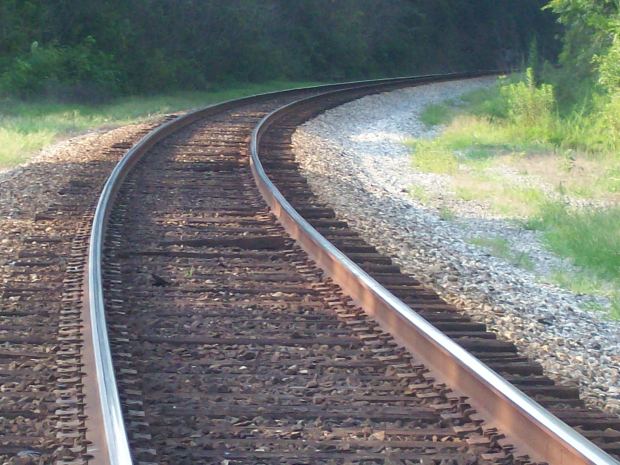
If you want to see why Canadian films return so often to distance, landscape, hard weather, and long travel, the railway is the right place to start. Finished in 1885 after construction began in 1881, the Canadian Pacific Railway did much more than move cargo. It connected far-off parts of the country, supported settlement in the West, and gave early image-makers a practical way to present Canada as a single connected nation. When cinema reached Canada in 1896, those rail lines had already made travel across the country much easier, including travel for filmmakers. That early link between rail travel and visual storytelling still helps explain the shape of Canadian film today.
Railways as the First National Visual Network
Railways helped create one of Canada’s first shared visual systems. Before cinema appeared, railway companies were already shaping how people saw Canada through maps, posters, and settlement advertisements. Library and Archives Canada preserves Canadian Pacific Railway immigration posters from the 1880s and 1890s that connected rail travel with land, jobs, and the idea of a newly mapped nation. Then motion pictures arrived, and trains quickly became both subject and method. Early rail “phantom ride” films placed the camera at the front of a train, so viewers felt motion through landscape itself. That mattered for Canadian cinema because the country’s scale pushed film toward land, travel, and route. In Canadian Cinema, that logic stayed strong: the nation could be shown by moving through it.
Government Use of Railways to Promote National Identity Through Film
The state turned that rail logic into policy. The Canadian Government Motion Picture Bureau, founded in 1918 and renamed in 1923, was the first national film production unit in the world. Its job was practical: promote Canadian trade and industry. Its early Seeing Canada films sent a clear message at home and abroad that the country could be known through movement across land, work sites, and regions. This built a pattern that later shaped the National Film Board, created by Parliament in 1939. John Grierson said the NFB should help Canada “see Canada and see it whole.” That is a rail-era idea in film form.
Rail-Based Distribution Systems Before Digital Networks
Film also depended on the railway in a basic way: reels had to move. In the silent era and early sound era, physical distribution across Canada relied on transport networks that railways had already built. The Bureau distributed films across Canada and abroad, and by 1920 it ran the country’s largest studio and post-production site. When 16mm later replaced 28mm, its system fell behind and the Bureau closed in 1934. Even so, the lesson stayed in place: in Canada, cinema was never only about production. It was also about how to reach far-apart audiences across a very large country.
Narrative Patterns Shaped by Railway Expansion
That history helps explain common story forms in Canadian film.
- Journey plots: people move across long routes rather than stay in one city
- Landscape as story: mountains, prairie, forest, and snow carry meaning, not just scenery
- Distance as pressure: travel time, isolation, and separation shape conflict
- Work and settlement themes: labour, migration, and regional life keep returning
These are not random habits. Early film in Canada grew beside a transport system built to connect far regions, settle land, and define the nation in east-west terms.
Lasting Impact on Modern Canadian Cinema
The rail origin still shows up in modern practice. The NFB remains Canada’s public producer and distributor, with a long record in documentary work, and that public role grows from the same state-backed tradition that began with the Motion Picture Bureau. Railway stories themselves also stayed visible: the NFB’s 1944 short Trans-Canada Express celebrated the rail system during wartime and even restaged the last spike. More broadly, Canadian film still returns to the same core frame: a large country, linked by travel, understood through movement, and filmed through place.
Comparison with Other National Cinemas
Here is where Canada differs:
| Country model | Main early film centre | Usual national image |
| Canada | State units + transport routes | Land, travel, region, distance |
| United States | Commercial studios | Stars, genre, studio system |
| Many European industries | City-based production cultures | Urban life, class, street, interior space |
That does not mean Canadian film ignored cities. It means its first strong national pattern came from movement across territory, not from one dominant studio city.
Summary
Early Canadian railways did not invent cinema by themselves. But they helped invent national cinema in Canada by linking land, state promotion, film travel, and audience reach. From CPR posters to Seeing Canada to the NFB mandate, the same idea keeps returning: Canada is often shown as a place you understand by crossing it. That is why railways still echo inside Canadian film narratives now.