
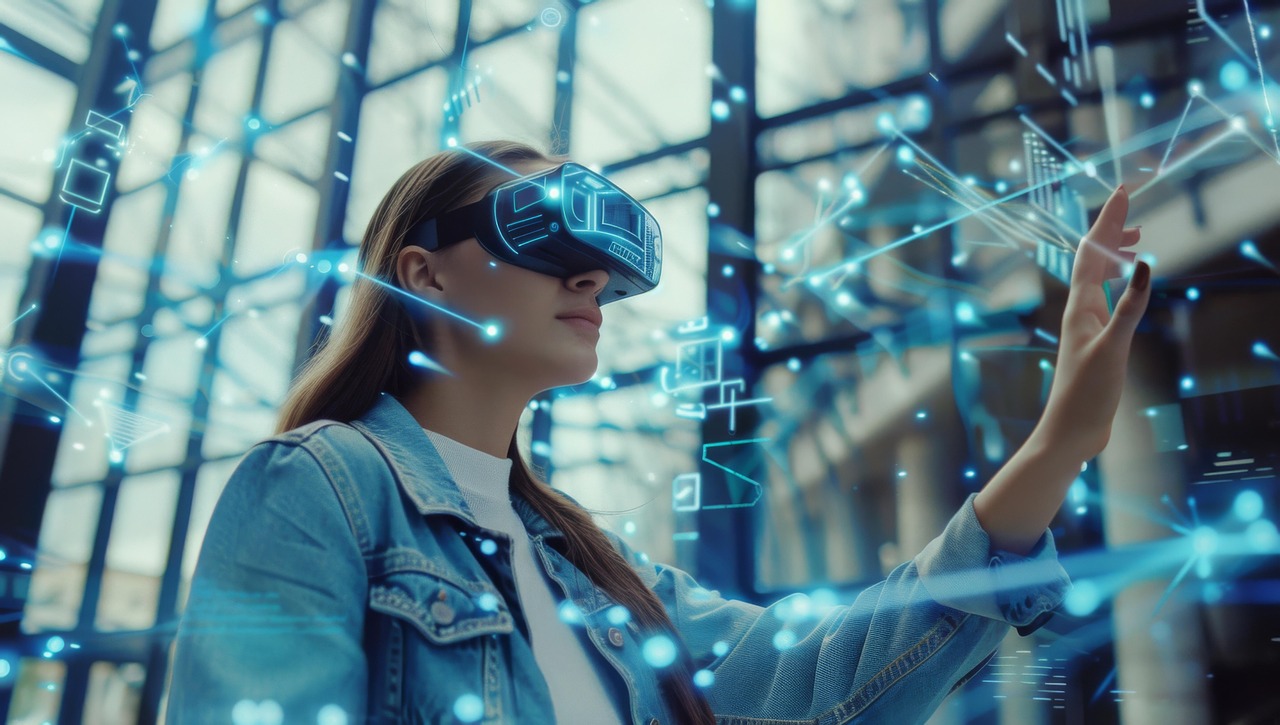
Canada’s online gambling market generated $2.4 billion in 2024, revealing impressive growth and widespread adoption. Online casinos using virtual reality are just another way that the market will see explosive growth in the coming years, and the technology may just inspire the film industry to reimagine how they present their most cinematic experiences in certain genres.
Digital casinos have used virtual reality to create more immersive environments that allow players to interact in ways never imagined before, whether they’re bluffing around a poker table or walking through the virtual lobby. Discover how filmmakers can use these same design concepts to develop more interactive and immersive experiences in cinema.
VR Casinos Master Reimagined Interaction
Virtual reality casinos have changed how people gamble. Canadian online poker sites also use VR technology to bring real-time games and events to the player’s living room. Poker enthusiasts enjoy the ability to interact with avatars around the table and live throwables that bring the experience to life on another level. The avatars feel lifelike, with facial expressions, gestures, and subtle tells that make them feel like real people.
Players can create avatars to interact with each other while live dealers keep the game’s rhythm steady. People can even join live qualifiers for well-known upcoming poker tournaments and chat to other players around the table while sitting in the virtual space that takes them right into the experience. Online casinos and poker events have become a solid blueprint for VR experiences.
Unlocking Immersive Storytelling Potential
VR casinos immerse users like no other industry, and filmmakers can apply this element to cinematic storytelling. For example, adding a VR poker room to a thriller can heighten tension, where every bet carries real emotional and strategic weight.
Sci-fi narratives could use the environment’s visual elements and audio cues related to virtual crowds, holographic chips, and neon lighting to introduce plot twists and establish a mood. The notable contrasts between virtual actions and real-world stakes improve suspense, allowing filmmakers to explore deception and identity themes in new ways.
VR Delivers Flexible Film Designs
The technology has allowed online casinos to redefine design flexibility, which matters in a world where there are an estimated 171 million VR users. Sci-fi movies can use the design capabilities to create more futuristic cities within one VR lounge while overlaying a 1920s speakeasy over the fully interactive environment.
Film directors can use VR to manipulate perspective, lighting, and scale to exaggerate threats and add intensity to every scene. The tech can also highlight narrative symbolism while allowing filmmakers to create sequences that feel more immersive and meaningful to the story itself. VR can be more than just a background decoration in movies. It can become a major part of the story’s identity through various visual and audio design elements.
Using VR to Target Altered Perceptions
VR gambling has the ability to alter perceptions, which can be used in thrillers to make the viewers lose track of their reality during hyper-realistic casino scenes. It can blur the line between virtual and physical experiences, making the person feel like they’re actually there.
Directors could also use these environments to illustrate paranoia, using immersive tech to influence the viewer’s behavior. For example, the protagonist could show signs of nervousness while trying to read their opponent’s telltale signs, while the scene itself emphasizes suspense and isolation. This mimics how people really would navigate these complex dynamics, making the scene feel more natural.
Adding Interactive Elements to Movies
Flexible film designs can also enable filmmakers to make real movies more interactive, where every decision in the plot will lead to a new consequence. VR casinos have gamified the experience, and filmmakers can use the technology combined with artificial intelligence to achieve similar results. The interactive market was worth $1.5 billion in 2024, and it’s projected to reach $12 billion by 2032 as AI-generated movie designs continue to grow.
Imagine adding a scene to a sci-fi movie that enables viewers to actually partake in a poker game virtually, where every decision they make can have lasting consequences in the story itself. The same applies to thrillers, where each poker hand played can lead to betrayal or loss as the movie continues. It’s about gamifying the film to give viewers the option to change the narrative.
Conclusion
VR casinos aren’t experimental. They’re operating on a large scale, inspiring other industries to follow suit, including the film sector. If games can add a touch of storytelling, then movies can certainly gamify the narrative. Filmmakers can use the same features VR casinos deploy to make the experience more immersive, real, and consequential. It’s about exploring deception, suspense, and tension in new ways while delivering choices, interactive features, and an experience viewers will never forget. VR enables visual spectacles, rich settings, and psychological tension, which is ideal for thrillers and sci-fi movies.