
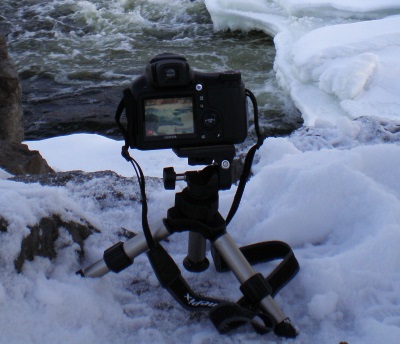
Canadian film crews work through winter conditions that would shut down productions in most countries, with temperatures routinely dropping to -30°C or lower.
The polished film audiences rarely reveal the frozen fingers fumbling with camera controls, numb hands adjusting lighting stands, or production delays caused by inadequate cold-weather protection.
Understanding the daily realities these professionals face highlights why proper equipment isn’t a luxury but an essential investment in production efficiency and crew safety.
Pre-Dawn Call Times
Winter film shoots in Canada often begin before dawn when temperatures reach their lowest point, creating immediate challenges for crew members arriving on location.
Production assistants setting up base camp work in complete darkness, their headlamps creating small pools of light as they unload trucks with hands already going numb.
Camera departments face particular difficulties as condensation forms on lenses moved from warm vehicles to frigid exteriors, requiring careful acclimatization procedures that add precious minutes to setup time.
Early morning challenges facing Canadian winter film crews:
- Battery performance drops 30% to 50% in extreme cold, requiring constant monitoring and replacement cycles
- Camera equipment requires gradual temperature adjustment to prevent internal condensation damaging electronics
- Grip and electric departments handle frozen metal stands and clamps that stick to bare skin on contact
- Sound recordists struggle with brittle cables that crack and boom operators lose dexterity in bulky gloves
- Makeup and wardrobe departments fight constant battles against wind destroying hairstyles and smudging cosmetics
- Catering teams work overtime providing hot beverages and warming stations to prevent hypothermia among crew
- Production managers juggle weather-related delays whilst maintaining tight shooting schedules and budget constraints
Camera Department Struggles
Camera operators and assistants face unique challenges working with precision equipment in conditions that threaten both technical performance and human capability.
Focus pullers require absolute fingertip sensitivity to execute smooth rack focuses, yet traditional gloves eliminate the tactile feedback essential for their craft.
Digital imaging technicians monitor exposure on screens that become nearly invisible in bright snow conditions whilst their fingers stiffen on keyboards and touchscreens.
Precision Focus Work
First assistant camera operators execute critical focus pulls requiring millimetre precision whilst their hands lose feeling in subzero temperatures. The heated gloves working mechanism has become increasingly relevant for ACs who need warmth without sacrificing dexterity.
Steadicam Operations
Steadicam operators cannot wear heavy coats that interfere with vest harnesses and arm support systems. Hand numbness becomes dangerous when it affects their ability to feel the camera’s balance point, potentially leading to expensive equipment drops.
Digital Workflow Issues
DITs work with laptops and hard drives designed for office environments, not Arctic conditions that cause systems to freeze. Moving between warm interiors and frozen exteriors creates condensation risks for sensitive storage media.
Camera Maintenance
Camera assistants must perform delicate lens changes and filter swaps with fingers that have lost tactile sensitivity. Dropping a lens in the snow can cost tens of thousands whilst production waits for replacements.
Monitor Visibility
Directors and DPs struggle to see monitor screens washed out by snow reflection and bright winter sunlight. Constant adjustments to brightness and contrast settings require fine motor control that cold eliminates.
Grip and Electric Work
Grips and electricians handle the most physically demanding roles on winter sets, constantly adjusting heavy equipment with bare metal surfaces that become painfully cold. Setting C-stands, rigging lights, and laying dolly tracks all require manual dexterity that disappears as hands lose circulation in extreme temperatures.
Dolly Operations
Dolly grips execute smooth camera moves requiring subtle touch and instant adjustments based on director feedback. Numb fingers cannot feel the precision controls properly, making the first take after a reset often rough.
Lighting Adjustments
Gaffers and best boys climb lifts and ladders to adjust lights hanging 20 feet overhead where wind chill creates significantly colder conditions. Hot lights present burn hazards as frozen hands touching scorching barn doors cannot register pain immediately.
Rigging Safety
Key grips rigging equipment on ice-covered roofs face genuine safety risks when reduced hand dexterity affects their ability to secure loads. Tying knots and threading chain become significantly more difficult as fingers stiffen.
Metal Equipment Handling
Grip equipment made from metal conducts cold directly to hands, with exposed skin sometimes freezing to surfaces instantly. Crews must remember to wear protection even for quick adjustments that seem manageable.
Cable Management
Stingers and feeder cables become stiff and uncooperative in extreme cold, resisting coiling and creating handling difficulties. Wrapping cable at day’s end becomes a painful, time-consuming task.
Sound Department Challenges
Sound recordists and boom operators face unique challenges as extreme cold affects both their equipment and their ability to operate it effectively. Boom poles become conducting rods for cold, transmitting frigid temperatures directly through operators’ gloves to their hands.
Boom Operating
Holding a boom pole steady for extended takes requires strength and control that cold rapidly depletes from fatigued arms. Operators must maintain microphone positioning within centimetres whilst their entire body shakes from cold.
Wireless Systems
Sound mixers juggling multiple wireless channels must constantly adjust levels whilst their fingers struggle with small knobs and switches. Cold affects battery performance in wireless transmitters unpredictably, requiring constant monitoring.
Cable Issues
Audio cables become stiff and develop memory that creates handling noise during takes. Untangling frozen cables wastes precious shooting time whilst crew members struggle with reduced dexterity.
Equipment Protection
Recorders and mixers must be protected from cold whilst remaining accessible for quick adjustments. Sound departments often build insulated boxes or use body heat to keep equipment functional.
Production Management Perspective
Production managers and producers have learned that investing in proper crew comfort directly impacts shooting efficiency and overall budget performance. A crew member who spends five minutes every fifteen minutes warming their hands represents a 25% productivity loss that compounds across entire departments.
Weather Delay Costs
Temperature-related delays, reduced crew efficiency, and increased error rates from cold-impaired judgment create hidden costs. A single dropped camera lens because a frozen-fingered AC couldn’t maintain grip costs more than outfitting the entire camera department with proper protection.
Equipment Investment
Smart producers now budget for quality cold-weather gear as essential equipment rather than personal responsibility. Companies like Arcfomor have developed solutions specifically addressing the film industry’s unique requirements for warmth combined with dexterity.
Crew Morale
Productions that prioritize crew welfare create positive reputations that attract top talent. When crew members know producers genuinely care about their comfort and safety, they willingly push through difficult conditions.
Safety Protocols
Mandatory warming breaks and heated shelters must be factored into realistic shooting schedules. Pushing crews beyond safe limits creates liability issues and damages long-term production relationships.
Long-Term Planning
Experienced production managers schedule winter shoots with weather contingencies built in from the start. Understanding that crews cannot maintain full efficiency in extreme cold prevents unrealistic expectations and budget overruns.
Conclusion
Canadian winter film crews accomplish exceptional work under conditions that would defeat most professionals, but this resilience shouldn’t excuse inadequate equipment support. Smart producers recognize that investing in proper cold-weather gear delivers measurable returns through increased efficiency, reduced equipment damage, and improved safety.