


Casino games became deeply connected with movie culture after filmmakers realized that card tables, spinning roulette wheels and crowded gaming floors could instantly create drama for viewers. Audiences across the United States and Canada quickly recognized those images through classic productions from the 1960s onward, so casinos developed a strong identity within visual storytelling.
Las Vegas still holds enormous cultural influence today, with the city welcoming roughly 38.5 million visitors during 2025, according to data released by the Las Vegas Convention and Visitors Authority. A single blackjack hand could reveal confidence, tension or secrecy without heavy dialogue, which gave directors a powerful cinematic tool that still works today when you watch older films.
If you revisit crime dramas from previous decades, you can still spot the foundation for many modern casino scenes through the lighting, camera movement and music choices used during that period. Directors appreciated the constant motion found around gaming tables; thus, casino settings became reliable spaces for emotional conflict, dramatic pacing and memorable character introductions that continue drawing audiences into stories across several generations of entertainment history.
Digital entertainment borrowed from casino cinema
Hollywood eventually influenced digital entertainment through casino imagery that carried the same polished visual appeal seen in major films you still recognize today. Designers working on websites, streaming experiences and interactive games borrowed familiar elements such as glowing table lights, elegant interiors and cinematic camera angles that audiences already connected with casino culture.
Casino-themed films have also influenced modern digital entertainment experiences, including platforms that feature online craps games inspired by classic casino table settings. That influence became especially noticeable in Canada, where audiences regularly consume American productions filmed in cities such as Toronto and Vancouver. Filmmakers understood that casino scenes naturally create movement within contained spaces, where every glance across a poker table could feel emotionally charged when you watch those moments unfold on screen.
You can still notice those techniques in modern thrillers where directors rely on close-up shots, layered background noise and slow pacing to build suspense around simple conversations. The games themselves matter less than the atmosphere surrounding them, with viewers remaining focused on personality, tension and visual storytellingthroughout scenes designed to pull you deeper into the story.
Poker and blackjack created cinematic tension
Poker became one of the most recognizable casino games in film culture through its ability to support psychological drama between characters sitting face to face in scenes that immediately capture your attention. Directors frequently use long pauses, subtle facial reactions and strategic camera placement during poker sequences, so audiences feel involved in every decision taking place around the table.
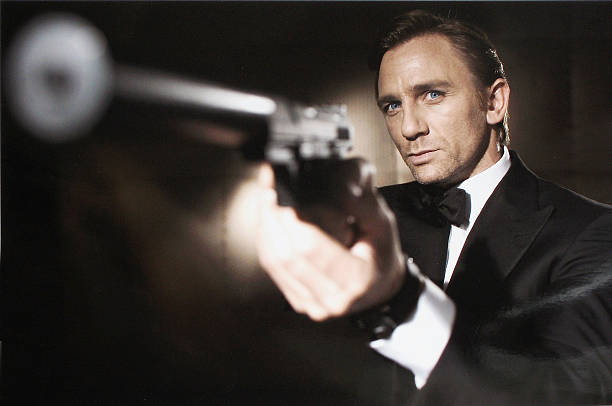
Films such as Casino Royale pushed that approach into mainstream entertainment through tense card scenes that balanced elegance with emotional pressure in ways viewers still remember years later. Blackjack developed a similar reputation through its fast pace, which allowed filmmakers to maintain energy during conversations or confrontations that keep you engaged from one moment to the next. Canadian audiences embraced those scenes through theatrical releases, television broadcasts and later through streaming platforms that carried casino-centered stories into modern homes.
If you pay attention during those moments, you will often notice that directors focus more heavily on expressions, body language and shifting confidence levels than technical gambling rules. Casino games work so effectively in films because they give characters a reason to interact closely under pressure, so emotional conflict becomes easier for audiences like you to recognize.
Roulette and craps brought movement to the screen
Roulette and craps earned lasting popularity in movies through the visual excitement both games naturally create during busy casino sequences that immediately grab your attention. Roulette provides spinning motion, dramatic pauses and the unmistakable sound of a ball circling the wheel, so directors can build suspense without relying on excessive dialogue.
Craps creates a completely different feeling through crowded tables, energetic reactions and fast-paced movement that fills casino scenes with noise and urgency you can almost feel through the screen. Productions connected with Las Vegas culture frequently placed these games in the background, where every shot felt active even during quieter conversations between characters. You can see that style in classic heist films along with modern action movies that use casinos as dramatic social spaces filled with lighting, music and layered interactions.
Canadian productions also adopted similar visual techniques when depicting nightlife or upscale entertainment culture in urban settings familiar to North American audiences. Casino games became reliable cinematic devices through their ability to create rhythm, movement and emotional intensity. This existed inside controlled locations that cameras could explore from countless creative angles throughout a film, which you ultimately continue following scene after scene.
Casino culture still influences modern entertainment
Casino imagery continues appearing throughout modern entertainment because audiences instantly recognize the tension and unpredictability connected with gaming culture whenever those scenes appear on screen. Streaming series, action films, animated productions and crime dramas still return to casino settings whenever directors want stylish visuals mixed with emotional pressure that keeps viewers invested in the story.
The visual language established decades ago during classic Hollywood productions remains highly recognizable today, so modern filmmakers continue adapting those techniques for contemporary audiences across North America. Canada also becomes key in that cultural connection through its strong film industry, particularly in cities such as Montreal, Toronto and Vancouver, where international productions frequently operate. If you watch modern thrillers carefully, you can often trace certain storytelling techniques back to older casino-centered films from the Rat Pack era.
Ultimately, directors continue using gaming floors for dramatic scenes through their combination of music, costume design, lighting and tightly focused interactions between characters that create memorable cinematic moments. Therefore, casino games became part of movie culture through visual storytelling that feels timeless, with their influence still reaching across film, television, streaming entertainment and digital media experienced by audiences globally today.