
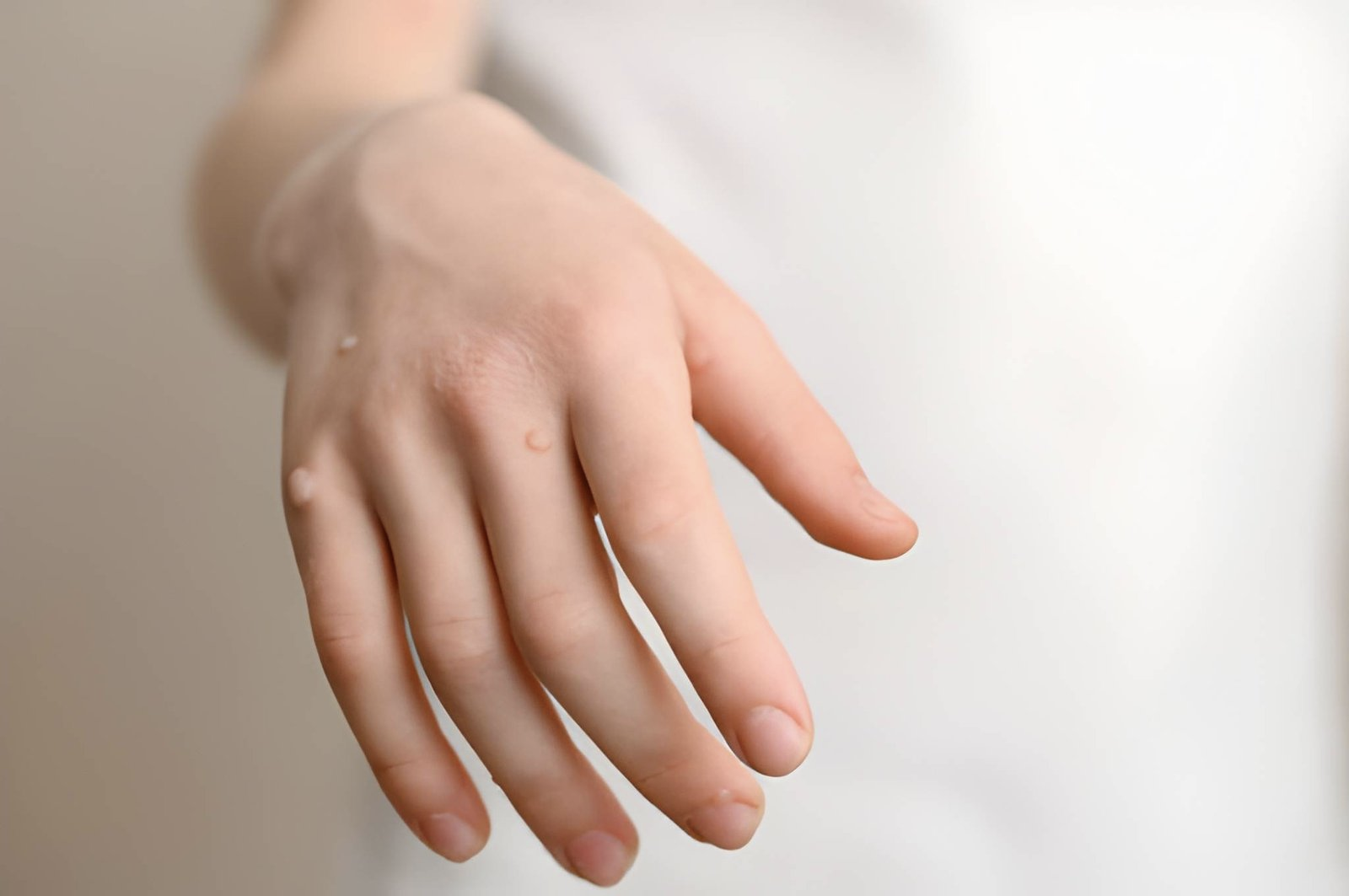
Warts can feel small, but the frustration they cause is anything but. They show up on fingers, toes, or even knees, often refusing to disappear quickly. While over-the-counter acids and freezing kits are common options, many people now look for gentler alternatives. That’s where an essential oil wart remover enters the conversation—offering a plant-based approach that supports the skin while targeting the root cause.
Interest in botanical blends has grown in recent years, especially with brands like Amoils Natural Oils bringing more structured formulations to the market. Instead of relying on harsh peeling agents, essential oil treatments focus on antiviral properties and skin recovery. But how exactly do they work? And are they effective? Let’s break it down clearly and practically.
How Essential Oils Target Warts
Warts are caused by the human papillomavirus (HPV), which infects the top layer of skin. Essential oils don’t “burn off” the wart like acid treatments. Instead, many oils contain natural compounds known for antimicrobial and antiviral support. Tea tree oil, oregano oil, and thuja oil are often discussed for their potential ability to limit viral activity on the skin’s surface.
When applied consistently, these essential oil wart remover may help dry out the wart tissue while supporting surrounding healthy skin. Some blends are designed to penetrate deeper layers gently, encouraging the body’s natural immune response to address the virus. This process can take several weeks, but it tends to be less aggressive than chemical treatments.
The Most Effective Essential Oils for Wart Removal
Tea tree oil remains one of the most commonly used essential oils for skintags concerns. Its natural antimicrobial compounds may help prevent the spread of the virus. Oregano oil is another option, known for strong natural cleansing properties. Thuja oil has a long history in traditional practices for skin growths.
Blended formulas often combine several oils to improve results. The idea behind combining ingredients is to support multiple pathways—antiviral activity, skin repair, and inflammation reduction. This multi-angle approach can increase the chances of gradual improvement.
It’s important to dilute essential oils before use. Applying them directly without a carrier oil may irritate the skin. A small patch test helps reduce the risk of redness or sensitivity. Consistent, careful application is more effective than aggressive use. The goal is steady progress, not overnight removal.
Step-by-Step Routine for Using an Essential Oil Wart Remover
A structured routine makes a noticeable difference. Begin by cleaning the affected area with mild soap and warm water. Soaking the wart for 10–15 minutes softens thickened skin and improves absorption. Pat the area dry before applying any product.
Apply a small amount of diluted essential oil directly to the wart using a cotton swab. Avoid spreading it onto healthy surrounding skin. Covering the wart with a breathable bandage overnight can help maintain contact and reduce the risk of spreading the virus.
Repeat this process once or twice daily. Improvement may appear as gradual shrinking, darkening, or drying of the wart. Patience is key. Most natural approaches require several weeks. If irritation develops, reduce frequency or consult a healthcare professional. Responsible use keeps the process safe and effective.
Why More People Are Choosing Natural Options
Consumers today are more ingredient-aware than ever. Many prefer plant-based solutions that align with long-term skin health rather than quick, harsh removal. Essential oil blends are often free from synthetic acids and freezing agents, which appeals to those with sensitive skin.
There is also growing interest in supporting the immune system alongside topical treatment. Some practitioners recommend combining topical oils with lifestyle habits that strengthen immunity—adequate sleep, balanced nutrition, and stress management. While oils work on the surface, overall health influences how quickly the body clears the virus.
Market trends show steady growth in natural dermatology products. Improved formulation standards and clearer usage instructions have increased confidence among users. As information becomes more accessible, people are making informed choices rather than relying solely on clinical procedures.
When to Consider Medical Advice
Although essential oil treatments can be helpful, they are not suitable for every situation. Warts that bleed, grow rapidly, or cause significant pain should be examined by a healthcare provider. Facial and genital warts also require professional evaluation.
People with diabetes or weakened immune systems should avoid self-treatment without medical guidance. In these cases, minor skin damage can lead to complications. A balanced approach means recognizing both the benefits and limitations of natural remedies.
Modern dermatology offers advanced solutions for resistant cases, including prescription topicals and clinical cryotherapy. Starting with a gentle method is reasonable for common warts, but knowing when to step back ensures safety remains the priority.