


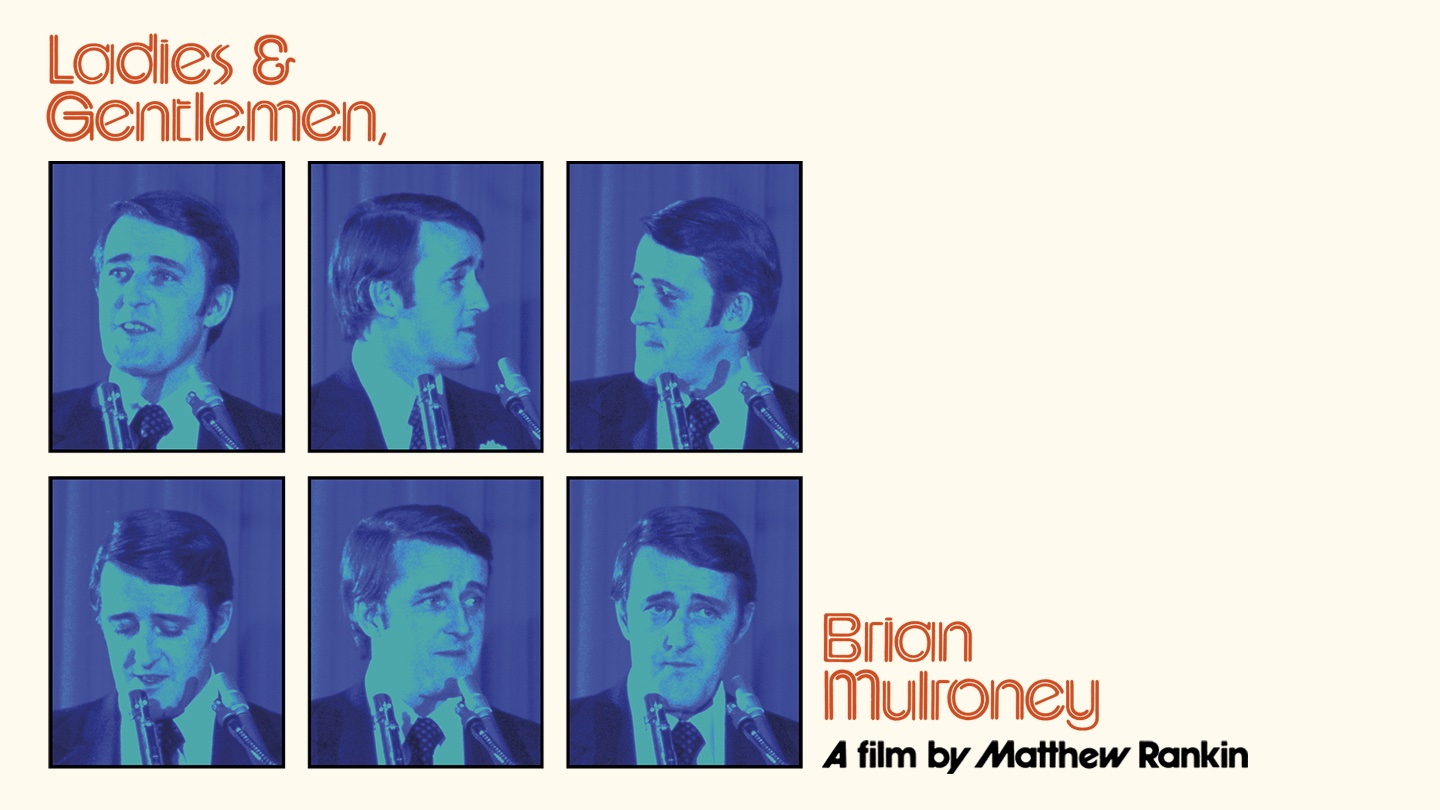
The Documentary Ladies And Gentlemen, Brian Mulroney won the TIFF Midnight Madness People’s Choice award. It’s a very unique and worthwhile movie with its subtle humor and stylized approach. The documentary also played at the Vancouver International Film Festival (VIFF) in early October.
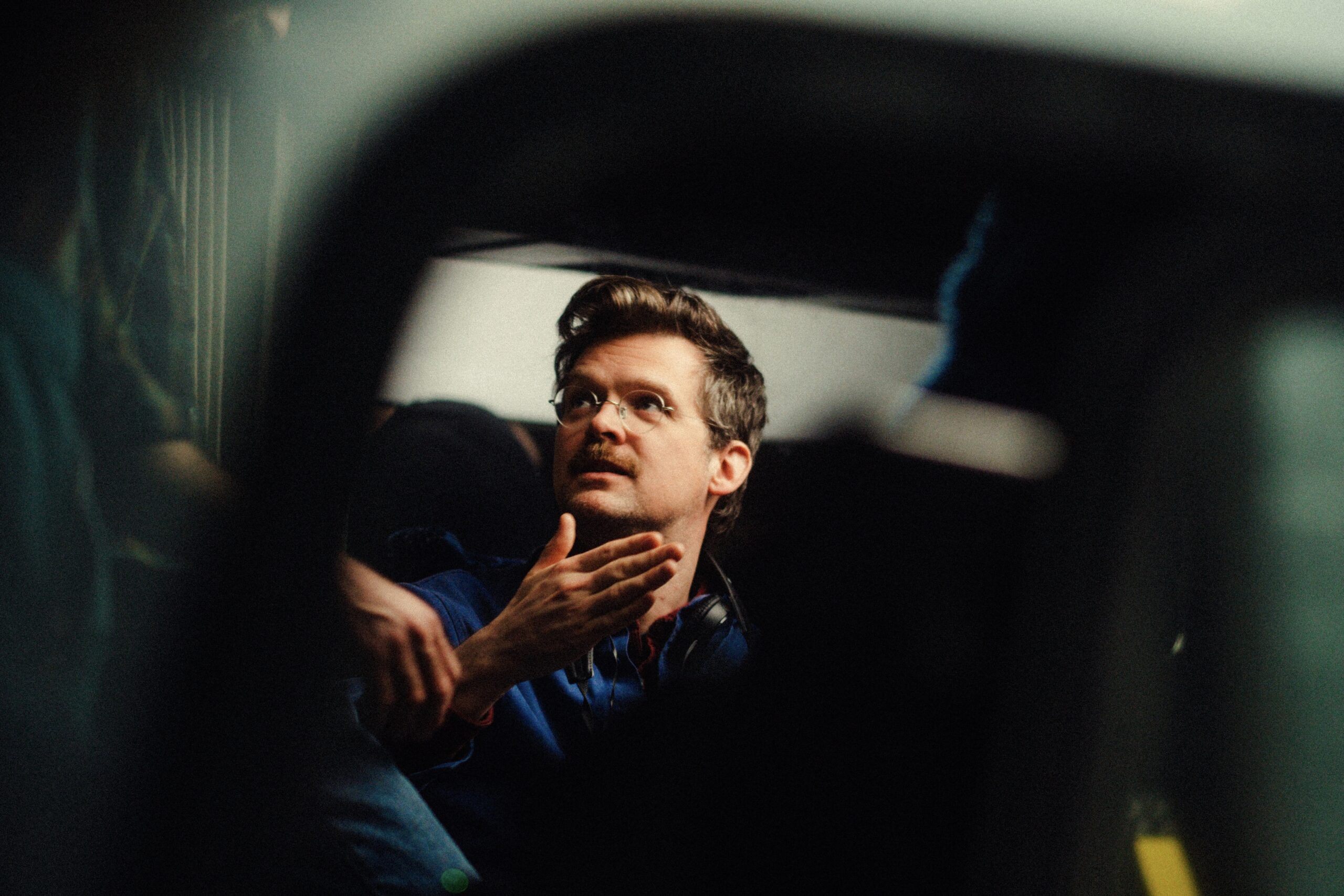
We were able to ask the filmmaker Matthew Rankin five questions, and his answers were terrific.
HNMAG: What is your origin story of growing up in Winnipeg that led to your unique experimental documentary style of filmmaking?
Matthew Rankin: I think it has a lot to do with the anti-establishment bent of that city. There is a real punk-rock impulse in Winnipeg to defy established orders and systems, and you can trace it all the way back to the 1919 General Strike and Louis Riel. Common obsessions you can observe in most Winnipeg filmmakers include a thematic preoccupation with Winnipeg itself and/or the apocalypse, a formal concern for the materiality of film and bizarre humour. Most Winnipeg films – other than those produced by the Hallmark Industrial Complex – fall under at least one of these rubrics. For myself, everything began with drawing, and I entered filmmaking through animation. I am an image-forward director.
HNMAG: How did you get the National Film Board to work with you on this movie?
Matthew Rankin: They appointed a Royal Commission to Investigate the Possibility of Naming a Royal Commission for Defining the Mandate of a Subsequent Royal Commission to Adjudicate the Production of the Mulroney Movie, and eventually it happened. It’s a curious process! The producer of the film, Pierre-Mathieu Fortin, is a very enthusiastic cinephile, and his tenacity and courage were really put to the test with this movie. As a public institution, the NFB is vulnerable to the ebb and flow of governments, some of which have been hostile to the very idea of art and culture as a public good. So a movie like this one is potentially nerve-wracking. It’s a provocative, satirical piece about a controversial figure that transgressively tests the boundaries of the documentary form. The NFB got behind it in such a big way and, to me, that is a real expression of its commitment to vibrant cultural citizenship. Because culture always involves a conversation, even debate – never a monologue, never absolutist or authoritarian “content.”
HNMAG: Is Pierre Poilievre today’s Robert Stanfield?
Matthew Rankin: Absolutely not. Mark Carney is today’s Robert Stanfield. Pierre Poilievre is today’s Roy Cohn or perhaps even more accurately he is like the Johnny Lawrence character in The Karate Kid (1984).
HNMAG: Ladies and Gentlemen, Brian Mulroney, points out how difficult a time the Progressive Conservatives had of winning a federal election due to Candidates being less than perfect in French and not from Quebec. Mulroney was extremely rare, as a smart, Catholic, Conservative from a small town in Quebec who could also lead in English Canada. Lucien Bouchard came out of Mulroney’s PC Party. He has a career because of that association. The Bloc Quebecois changed the federal outlook because it mostly eats into Liberal seats. Is Brian Mulroney responsible for the changes in Canadian politics that also gave us nine years of Stephen Harper?
Matthew Rankin: Well, of course this particular movie is about Mulroney’s rise to power, not his period as Prime Minister (which rightly demands a second or even a third film). But the film does address Mulroney’s Progressive Conservative coalition in 1984, which included disaffected sovereigntists like Lucien Bouchard, angry Alberta rednecks, hotshot neo-liberal businessmen in Toronto, Maritime grannies, bored Liberals, as well as Francophones both in and outside Québec, even environmentalists, feminists, new Canadians. It was an unwieldy consortium held together by the credibility and the charisma of Mulroney alone.
But during Mulroney’s second mandate that coalition begins to fragment into rival protest parties. The reactionary right-wing end of the party breaks from Mulroney to create the Reform Party and the Québec nationalists break off to form the Bloc québécois. While the Reform Party changed its name twice, it ultimately succeeded in overtaking and defining conservatism in Canada as something infinitely meaner and more reactionary than the big tent moderate conservatism of Joe Clark and Robert Stanfield. So in a lot of ways, the political culture we know today in Canada really emerges very directly from the Mulroney era.
HNMAG: The movie takes us up to the point of Mulroney winning a federal election. Do you plan to make a follow-up movie of his nine years as Prime Minister and how his legacy destroyed the actual PC Party, since the modern Conservative Party is more an extension of the former far-right wing Reform Party and not at all Progressive?
Matthew Rankin: Yes! I intend to make that movie. Mulroney’s transformation of public institutions into private assets is something that bothers me a great deal. I think it has made Canadians less free, less equal, and less supportive of each other. But I think Mulroney’s constitutional thinking is actually very wise and that the Meech and Charlottetown Accords contain a vision of asymmetrical power which can be useful to us today, if our efforts at reconciliation are to have any depth.
Matthew Rankin adds a specific, unique and entertaining voice to the Canadian documentary landscape. We are sure that Ladies And Gentlemen, Brian Mulroney will be a huge success, and we can’t wait to see the follow-up.