
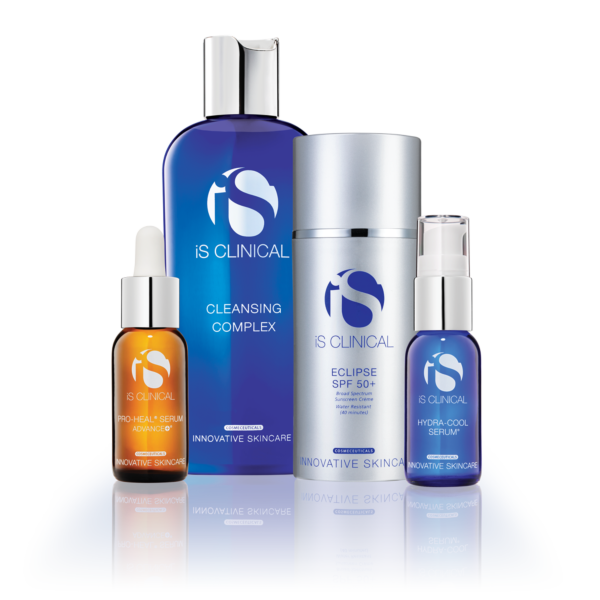
Rosacea-prone skin is more than just sensitive—it demands attention, tenderness, and a mindful skincare routine. It can “flare up” at the slightest trigger—heat, cold, stress, spicy food, or even a new cream. If left unmanaged, occasional redness may progress into a chronic condition with visible blood vessels, bumps, and persistent irritation.
The good news: modern skincare offers solutions. With the right steps and carefully selected products, you can dramatically improve both the appearance and comfort of your skin.
What Is Rosacea and How to Recognize It?
Rosacea is a chronic inflammatory skin condition that typically affects the face. Common signs include:
- Persistent redness on the cheeks, nose, forehead, and chin
- Visible broken capillaries
- Acne-like bumps and pustules
- Burning or tingling sensations
- Periodic flare-ups triggered by heat, cold, emotions, caffeine, or alcohol
How to Care for Rosacea-Prone Skin
1. Gentle Cleansing
Use soft, non-stripping cleansers—free from harsh surfactants, menthol, or alcohol. Look for gel or cream cleansers with a physiological pH to preserve the skin barrier.
Ideal choice: cleansers with azulene or centella asiatica.
2. Soothing Toner
Avoid alcohol and artificial fragrance. Opt for rose or lavender hydrosols and formulas with panthenol, niacinamide, or thermal water for calming effects.
3. Serums and Creams That Heal, Not Irritate
Key ingredients to look for:
- Low-concentration azelaic acid (reduces redness and inflammation)
- Niacinamide (strengthens blood vessels and reduces skin reactivity)
- Botanical extracts like centella, calendula, aloe vera
- Panthenol and ceramide complexes for barrier repair
- Vitamin K and rutin to support capillary strength
Important: Choose dermatologist-tested formulas with minimal ingredients.
4. Daily Sun Protection
Rosacea skin is very UV-sensitive. Use SPF 30+ daily, even in winter.
Best choice: mineral filters like zinc oxide or titanium dioxide.
5. Masks and Extra Care
Use 1–2 times a week: calming masks with oat, chamomile, or anti-couperose sheet masks.
Avoid: actives like retinol and strong acids.
What Not to Do in Rosacea Skincare
To prevent flare-ups, avoid the following:
- Scrubs, peels, and rough towels: mechanical exfoliation damages skin and worsens inflammation
- Hot water: it dilates blood vessels, leading to increased redness and flare-ups
- Sudden temperature changes: extreme shifts can trigger capillary spasms
- Essential oils (especially citrus or mint): strong irritants that may cause allergic reactions
- Heavily fragranced or thick makeup: can clog pores and aggravate symptoms
- Overcomplicated routines: more products = more risk. Keep it simple and targeted

Anti-Stress Skincare
Rosacea is sensitive not only to physical triggers but also to emotional stress. Anxiety, lack of sleep, or tension can fuel new flare-ups.
Try:
- Herbal teas with chamomile or lemon balm
- Adaptogens (with medical guidance)
- Gentle facial massage with cool hands
- Less caffeine, more water, omega-3, and antioxidants in your diet
Rosacea is not a life sentence for your beauty. With proper care, awareness of your skin’s needs, and the right products, you can achieve calm, smooth, and healthy-looking skin.
The goal isn’t to fight rosacea—it’s to live comfortably and confidently with it, treating your skin with gentleness and care. And the best support in this journey? High-quality natural skincare: https://lacremeluxe.com