


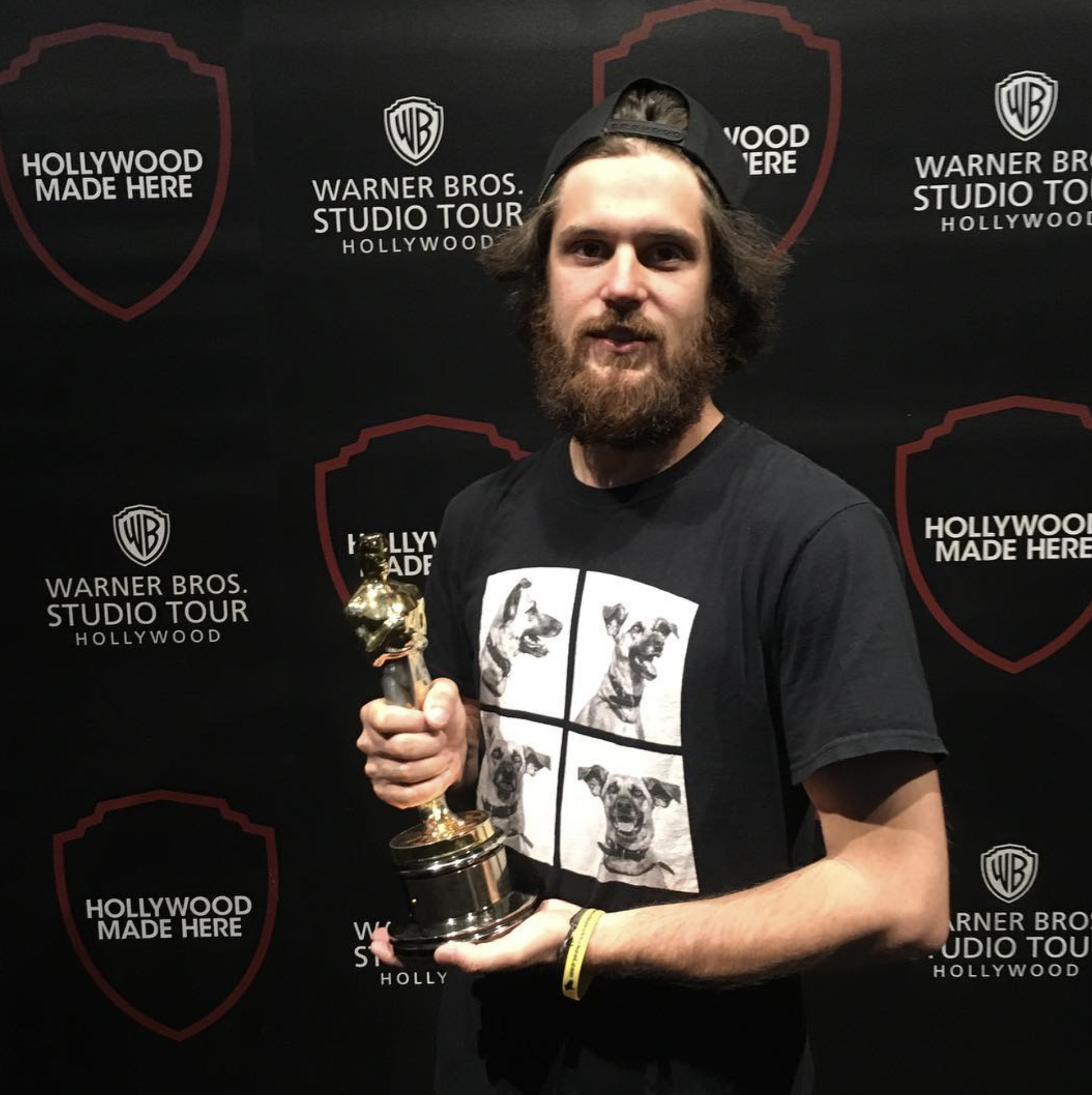
With all the work going on here at HNMAG, it’s been hard for me to keep up with this and other projects I’ve had going on. But it has really paid off for me. Recently, a nice man from feedspot informed me that this website was #1 on a list, meaning we’re a more reliable source compared to others. The fact that we topped CBC in that list speaks volumes, especially since I keep appearing in productions of theirs. But that’s from working in the film industry for years and years, much like Thommy Morais. One day a few months back, he contacted me through a contact form and offered a great and worthwhile story for this news blog that continues to stand. He once began with no experience and worked his way up rather progressively. While he was doing film set work he was also making his own production called Chilkoot Pass which took him several years. His story has proven he’s already made it big. His progress has increased faster than the amount of views and attention I’ve been getting from the new social media ads this past year and that’s ridiculously quick. So of course, I had to talk to him some more, and in person. I don’t get that opportunity too often so we met at a coffee shop and chatted. Here’s how our discussion went:
HNMAG: So you started with no experience, and managed to work your way up. Did you learn everything from working on sets?
Thommy Morais: Yeah, I found an ad on Kijiji for a short film, and then it ended up being short film with a massive budget so that’s how I started. Not going to school, but doing work on sets, pretty much.
HNMAG: Was the Kijiji ad specifically for grip, or Production Assistance?
Thommy Morais: No, they just wanted help with the movie in general.
HNMAG: And they took you even with no experience?
Thommy Morais: Yeah.
HNMAG: What was some of the most insightful info you’ve learned?
Thommy Morais: The set etiquette is a big thing. What to do, what not to do.
HNMAG: What were you interested in before film work?
Thommy Morais: I was always directing, always making films. That’s always been the goal.
HNMAG: Now what motivated you to make Chilkoot Pass?
Thommy Morais: I’ve done a lot of things, but I’ve never done a full narrative movie. I always wanted to do one before I hit 30, so I was like, “Okay, it’s happening. I gotta do it.” I just did it.
HNMAG: And you had a lot of challenges throughout the years. What was the WORST?
Thommy Morais: Fundings? Luckily, I have a lot of people in the industry that I know that could help. Getting gear wasn’t too hard, but getting locations was hard in Vancouver and being in the woods. Trying to pay for that, was definitely the main thing.
HNMAG: And all these connections you made were from your years of working on film sets.
Thommy Morais: Yeah. Because I’ve been working 10 years in Vancouver, and another 5 in Calgary.
HNMAG: Compared to Vancouver, what were the years like in Calgary?
Thommy Morais: It’s different. Same industry, but different vibe. I don’t want to say that it’s easier but the weather is easier.
HNMAG: How did you overcome the biggest issues with filming?
Thommy Morais: Just by keep going. A lot of times because we shot over the period of 2 months, sometimes because I was working full time, I would just set a date and say “We’re working those two days.” without even knowing what we were shooting.
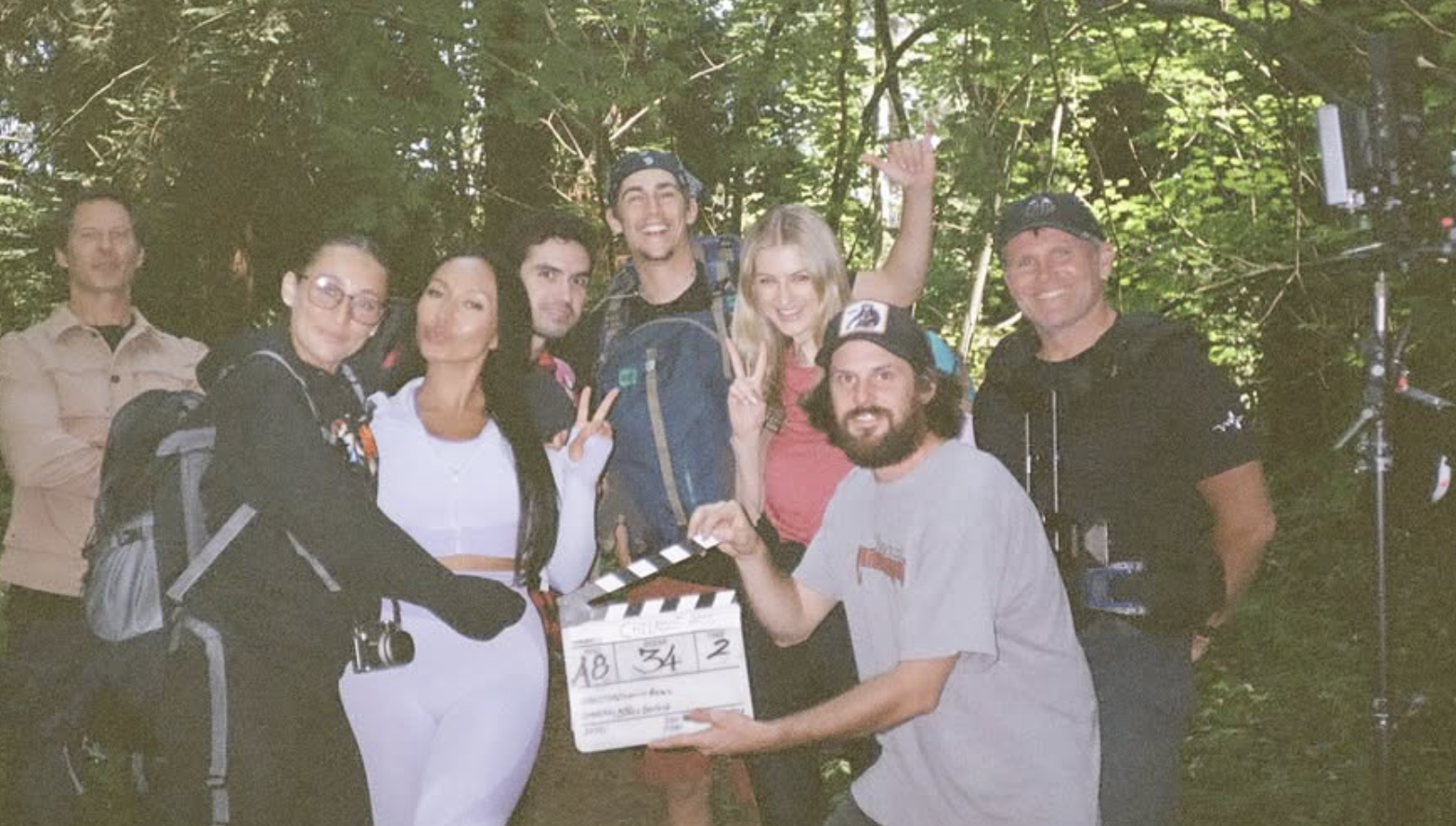
HNMAG: When will Chilkoot Pass be released?
Thommy Morais: Early next year.
HNMAG: And how has the editing been going?
Thommy Morais: Actually, the editing’s been the most challenging part. I had to go through 3 different editors. I think it comes with funding and if you can’t pay people the full amount, then how much can you ask them? We’re very close to final picture lock right now. Everything else like the music is already in place and to go in the next couple of months.
HNMAG: And who supplied the music for this movie?
Thommy Morais: So I did 2 documentaries in Chile, and the guy who did the music for those lives there and he’s going to do all the music for this one as well.
HNMAG: And were those documentaries easy or hard to make?
Thommy Morais: A little bit of both. Because we went in with it being a story, and then it started to become a documentary. It was about stray dogs and running around the country finding stories. The editing was a big challenge in putting everything together and what makes sense compared to going scene-by-scene.
HNMAG: From what I gather, going betweeen Chilkoot Pass and grip work was a real challenge. What was the best method of keeping them balanced?
Thommy Morais: There’s a lot of no sleep, I worked till 7AM this morning as an example. I think the balance is to focus on what’s more important to me and it was to make a movie. So leaving work, all the people work with understand that, making the movie was what mattered to me most, so with any of the time off for the movie, I would take it.
HNMAG: Are you ever going to take on a project that big again or is it too much stress?
Thommy Morais: I would DEFINITELY do it again. Maybe not the same way in how I did it, but I’d definitely do it again.
HNMAG: What’s the next idea?
Thommy Morais: I’m in the middle of developing two other projects. One is called I’m Okay, and the other is called Hilfe which is this German word for help.
HNMAG: And what about some of the advantages of working on Chilkoot Pass?
Thommy Morais: Just working with the people that I have. It was a great big cast, so finding those people was important to me so we have. That’s always been an important part to me, not overworking anyone, and just making sure we have fun.
Mentioning that made me think back when I talked to Nathan Slattery about his film Solas Boru which as of recently has managed to get over 100 cast members, give or take. They were all people he met from just living in Vancouver and Ireland.
HNMAG: Were your cast members friends that you guaranteed film roles to or did you go with auditions?
Thommy Morais: I went through ACTRA with a lower budget agreement, and I had a casting agent. I didn’t do many auditions myself but I went through the process of picking all the people that applied. Funny enough, I lost my number one right before shooting so I had to recast and that actor became a partner and we made another movie together this year. That was very fun to find those people, become friends, and make something together.
HMMAG: What were some of the best moments in your film career?
Thommy Morais: My documentary became pretty big in Chile, and it was the little moment of fame. Being interviewed on radio and TV down there. This was going on for a year or two, so it’s amazing what could happen.
It amazes me how Thommy made his way up with on-set training and no education whatsoever. It just goes to show you don’t need some fancy sort of school to get a piece of paper that is supposed to get you work. It’s a better story compared to mine when I took a film course because Art Institute didn’t have an acting course I could take to get back to my roots after Graphic Design didn’t go as intended. But oh well, it’s impressive to see how much progress has gone into Chilkoot Pass and I can’t wait to see what else Thommy makes in the future.