


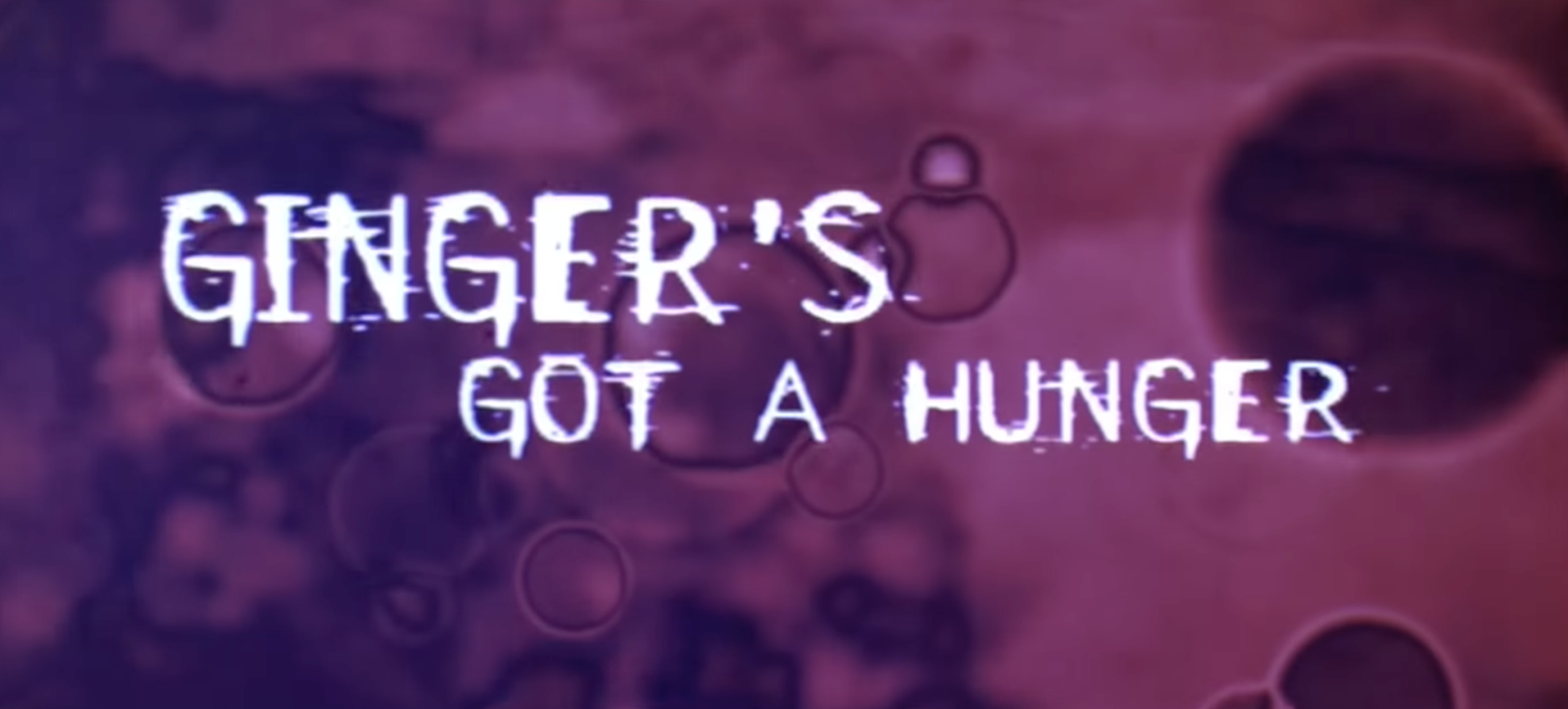
A creature attacks at night, the moon hangs over the neighbourhood, and the bite starts to change the person it marked. But director John Fawcett and screenwriter Karen Walton aimed at something stranger. The transformation arrives at the same time as Ginger’s first period, and the film treats both events as one messy, frightening process. Her body shifts, her temper sharpens, and her sister watches someone she knows turn into someone she doesn’t.
That mix of body horror, grief and family loyalty is what gave the film its long life. It also raises a fair question: does a werewolf film like this say something about the way Canadian filmmakers approach horror?
Old Roots: The Loup-Garou in Canadian Folklore
Long before any camera pointed at a suburban street, Canadians were telling werewolf stories around the stove. The Quebec version had a strange twist. It had less to do with the full moon and more to do with the church calendar. According to many traditional tellers, a person who skipped confession and Easter communion for several years in a row could be cursed to roam the night as a wolf-like beast. In other words, the monster was a warning. Skip your duties and the community would eventually find you at the edge of the village, howling.
The legend also came with its own rules for breaking the curse. Drawing blood from the creature was said to free the person underneath, but the one who did it had to keep the secret, sometimes for a full year. That detail gives the stories a social side that European tales often lack. The werewolf was a neighbour, a cousin or a drinking companion, and the whole village had a stake in what happened to him.
Inside the Film: Craft and Setting
The setting does a lot of quiet work as well. Hollywood werewolf films of the 1980s, such as An American Werewolf in London and The Howling, usually sent their characters to foggy moors or remote forest towns. Here the danger arrives among cul-de-sacs, school corridors, a basement and a family kitchen. Bailey Downs is a made-up town, shot around Ontario, and its neat lawns and cheerful neighbours make the violence feel out of place. The film also uses humour sparingly but well. Teachers, parents and classmates miss what is happening because they are busy with their own routines, and that blindness is often funnier and sadder than any monster scene.
The creature itself is worth a look. In an age when digital effects were becoming common, the production leaned on practical work, with suits, puppetry and prosthetics. The result looks a little rough in places, yet that roughness keeps the beast physical and close, which suits a story about a body going wrong.
Other Canadian Werewolves
The trilogy did not stand alone for long. Canadian filmmakers and television producers have returned to the werewolf several times since, though the results vary a great deal in tone and ambition.
Television offered a different approach. Bitten, a Canadian series based on Kelley Armstrong’s novels, ran for three seasons starting in 2014. It follows Elena Michaels, the only female werewolf in a secretive pack, and mixes crime plot, romance and family drama. The scale is much larger than anything in the film trilogy, with a polished look and a cast built for a broad audience. In some ways Elena echoes Ginger, since both characters wrestle with a body that no longer feels fully theirs, yet Bitten leans toward soap-style tension and away from dark comedy.
One thing is clear: Canadian screens have a steady appetite for wolves. Whether played for laughs, romance or dread, the creature keeps coming back.
Why the Wolf Fits Canada
Here is a theory worth testing: the werewolf suits Canadian storytellers because the country’s image of itself already contains a lot of wolf. Vast distances, long winters and small communities set far apart from each other create a natural stage for stories about isolation and the thin line between people and the wild. A film does not need much invention to make a snowbound town feel cut off.
There is also the matter of perspective. Canada sits next to a much larger cultural neighbour, and many Canadian filmmakers have worked with smaller budgets and fewer resources than their American counterparts. Horror rewards that situation. A rough practical effect, a modest cast and an ordinary location can produce real unease, and outsiders looking in at the mainstream often have sharper things to say about it. The Fitzgerald sisters, who watch their suburb with open contempt, are outsiders in just this sense.
Still, this reading has weak points, and a fair account should say so. Many critics doubt that genre films can be explained through national character at all. Werewolves appear in films from dozens of countries, and a teenage coming-of-age story could be set almost anywhere. The tax-incentive system, the training of local crews and the tastes of international distributors may explain more than any shared mood. It is also easy to pick examples that fit a theory and ignore those that don’t. Treat the “Canadian wolf” idea as a lens that sheds light on some films, not as a rule that covers them all.
Closing Thoughts
Back to the two girls on the ground, covered in fake blood and staring at the camera. The staged death photos in the film’s opening scene are a joke, but they also describe a promise: whatever happens, the sisters face it together.
Looked at as a whole, the film added three things to the old myth. It moved the monster into a modern suburb. It gave the transformation to a teenage girl and let the story be sympathetic and frightening at once. And it showed that a small Canadian production could build a lasting following without studio money. Whether this adds up to a national tradition is still open to debate, as the earlier sections showed, but the pattern of wolves on Canadian screens is hard to ignore.
The best next step, though, is simple: watch the film again. It plays differently the second time, once the ending is known and every joke between the sisters carries a little more weight.