


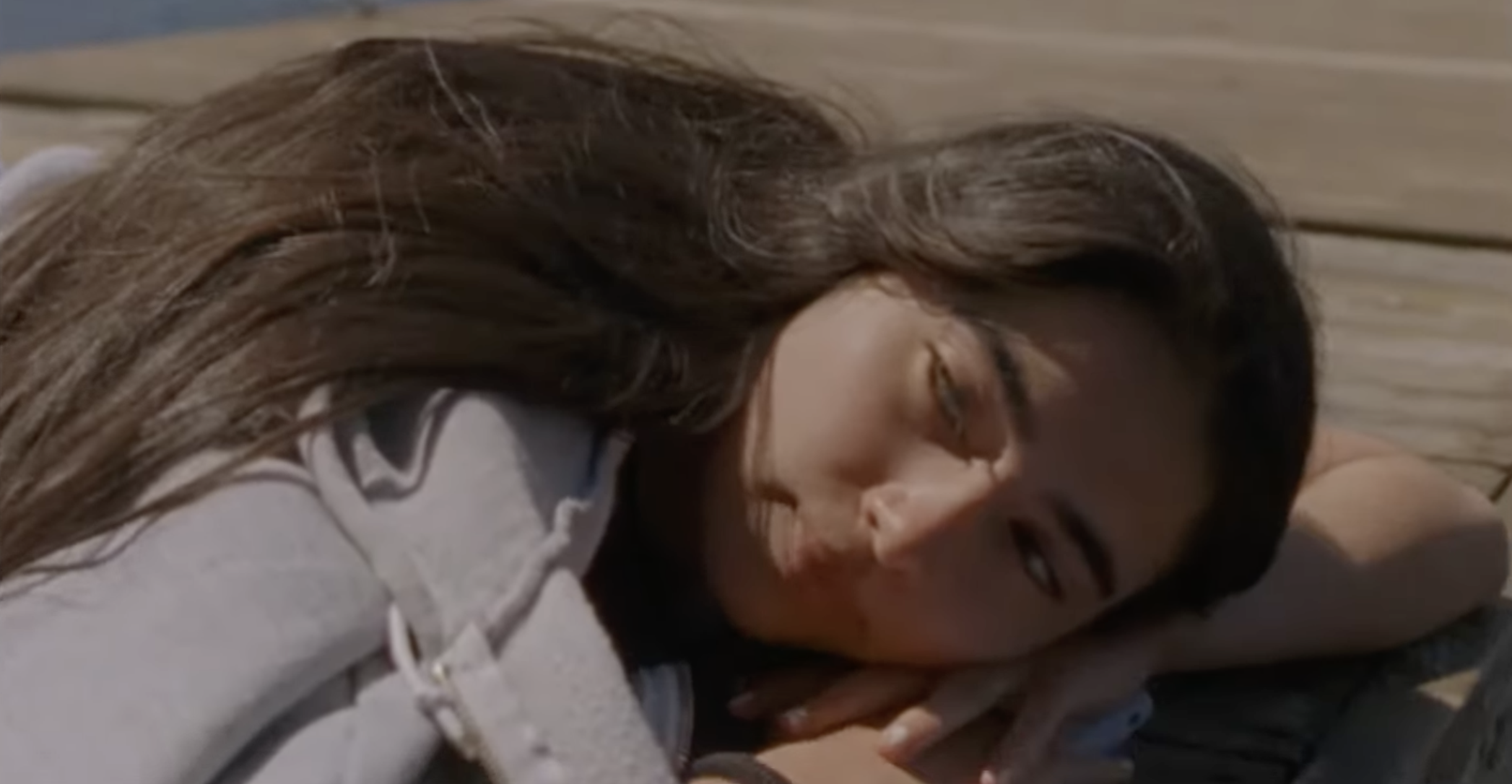
Not every night calls for laughter. Some evenings just want quiet — a story that doesn’t perform for attention, doesn’t rush toward a punchline, doesn’t ask to be impressive. Falcon Lake (2022) is built for exactly that kind of evening.
The film follows one teenage summer at a lake house in Quebec. That’s nearly the whole premise. A boy meets an older girl, days pass slowly, and very little of what matters gets said out loud. Anyone expecting a fast plot or comic timing will find none of it here. What the film offers instead is stillness, and for the right viewer, that stillness is the whole point. This piece walks through what the film actually is, how it earns its slow pace, and who is likely to connect with it — so the next quiet evening has an easier film to reach for.
What the Film Actually Is
Bastien is thirteen. Chloé is sixteen. Their families share a lake house for the summer, and that’s the entire setup — no elaborate backstory, no forced conflict to kick things off. Readers who want cast details, runtime, or festival history in one place can check the Falcon Lake listing on IMDb — though none of that explains why the film sticks with people the way it does.
What sets it apart from other coming-of-age stories is restraint. Most films in this genre reach for a big scene: a party, a confession, a blow-up fight. Here, the biggest moments are almost invisible — a late-night swim, a joke Bastien doesn’t quite follow, a pause that runs a beat too long before anyone speaks.
Why the Pace Feels So Different
Comedy runs on rhythm: setup, beat, payoff, repeat. Falcon Lake has none of that machinery. Scenes tend to end just before they feel finished, and the story often cuts away mid-thought, the way a real summer does — one day blurring into the next without clean breaks.
Much of the film happens in silence. Because nothing resolves quickly, tension just sits there, unclaimed. That can feel strange for the first twenty minutes or so. Then something shifts, and the slowness stops feeling like a delay and starts feeling like the actual experience the film is offering. Viewers who let their attention wander sometimes find old memories surfacing on their own — a summer crush, an awkward silence with a friend, nothing the film put there directly.
The Look and Sound of the Film
The lake isn’t scenery. It’s closer to a character — present in nearly every scene that matters, returned to again and again, as though the story physically cannot move forward without it. Bastien swims in it, floats in it, later hides something beneath its surface. By the film’s end, it has become less a location and more a presence that’s been watching the whole time. Sound follows the same logic. Waves, insects, distant voices from the campsite fill most scenes instead of a score. When music does appear, it stays low, barely noticeable, more felt than heard. The result is a film that seems to breathe on its own schedule rather than one built to hold attention through spectacle.
Who the Film Is Actually For
Falcon Lake rewards a specific kind of viewer, and knowing which kind in advance saves some frustration. Anyone who enjoys films where a glance carries more weight than a page of dialogue — where the point is to interpret, not to be told — will likely respond to this one. A slow build that never quite resolves is part of the design, not a flaw to tolerate.
It asks more of viewers who want momentum. There’s no twist every few minutes, no comic beat to release the tension, very little that would count as “eventful” by ordinary standards. A viewer hoping for something lighter may find the pace draining rather than calming — and that reaction has nothing to do with the film’s quality. It simply wasn’t built for that mood.
It also fits a particular kind of night more than a particular kind of person. After an exhausting week, subtitles and silence rarely feel appealing. But on a slow evening with nowhere to be, the same qualities that feel tiring elsewhere start to feel exactly right. This also isn’t a film that survives being half-watched — a phone in the other room, or even in hand, tends to erase most of what makes it work, since so much rides on small, easily missed gestures.
Getting the Most Out of It
A few small habits change how the film lands. Watching at night helps, since the story itself lives in long lakeside evenings, and a darker room makes the lighting choices easier to notice. Keeping a phone out of reach matters more than it sounds like it should — missing one glance between Bastien and Chloé can mean missing what an entire scene was actually about.
Subtitles are worth turning on even for fluent French speakers, since the dialogue is quiet and clipped, closer to how people actually talk than how scripts usually write speech. And it helps to arrive without expecting a tidy ending. Bastien and Chloé’s story doesn’t resolve into anything clean, and going in aware of that turns the final stretch into something intentional rather than disappointing.
None of this takes special effort. It mostly means letting the film stay as quiet as it wants to be, instead of watching it the way a louder story would be watched.
What Stays With You Afterward
That’s the real answer to why this film suits a quiet evening. It doesn’t compete for attention the way louder stories do — it waits, and it expects the viewer to meet it halfway. For anyone tired of films that explain every feeling as it happens, that patience can feel almost generous. So on a night with nothing else planned, and no real appetite for jokes, Falcon Lake is worth the ninety minutes. It asks for stillness. It gives something quieter back.