


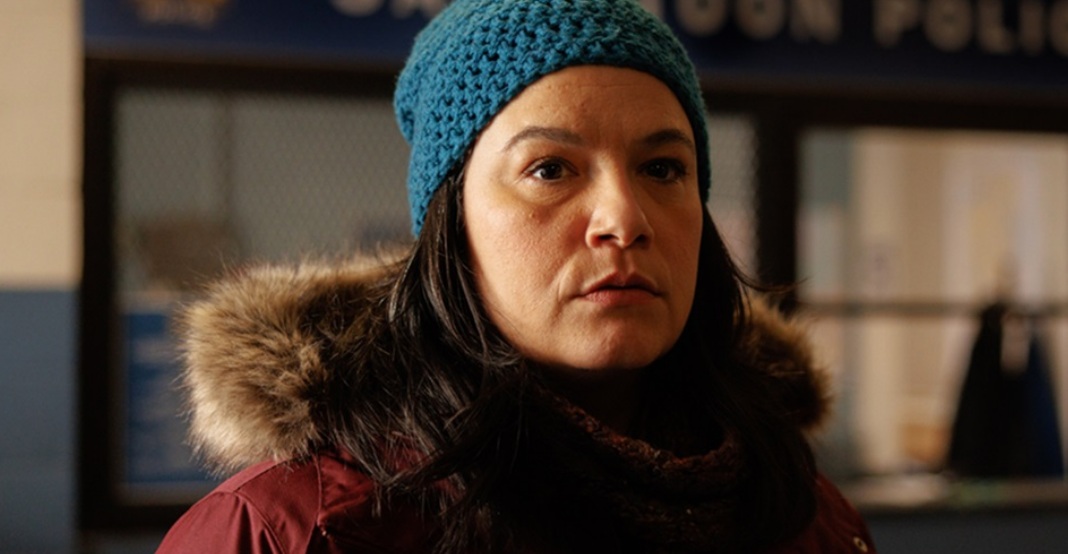
Before audiences know the story of Cold Country, they already know why the series has attracted attention. Set to arrive on CBC in Winter 2027, the six-episode drama brings together an Indigenous creative team, an experienced cast, and a CBC/APTN partnership as part of the broadcaster’s upcoming scripted lineup.
Created and showrun by Shane Belcourt and Tasha Hubbard, with Danis Goulet among the directors, Cold Country represents the continued growth of Indigenous-led storytelling in Canadian television.
What We Know About Cold Country
CBC has announced the project as a six-part, 60-minute drama scheduled for Winter 2027. The series is being produced as a CBC/APTN co-production by Inferno Pictures, Katawak Productions, and Sphere Media.
The project’s limited-series format suggests a contained dramatic structure rather than a traditional open-ended television run. However, CBC has not yet released a full synopsis, character descriptions, or details about the central conflict driving the story.
For now, the strongest indication of what Cold Country may become comes from the people behind it. The series brings together filmmakers with experience in Indigenous cinema and television, including creators Shane Belcourt and Tasha Hubbard, director Danis Goulet, and actors Sarah Podemski, Chaske Spencer, and Michael Greyeyes.
Rather than revealing the story itself, CBC’s early promotion of the series has focused largely on the creative voices shaping it.
The Creative Leadership Behind Cold Country
The most distinctive feature of Cold Country is its leadership structure. Indigenous filmmakers are not simply appearing in front of the camera or contributing in supporting roles; they are shaping the production at the levels of creation, showrunning, and direction.
Shane Belcourt has built a career across documentary and narrative filmmaking. His work includes Tkaronto, Red Rover, Warrior Strong, and the documentary Beautiful Scars. Across these projects, Belcourt has explored questions of identity, community, relationships, and Indigenous experiences in contemporary Canada.
Tasha Hubbard has become one of Canada’s most respected Indigenous documentary filmmakers. Her work includes Two Worlds Colliding, Birth of a Family, nîpawistamâsowin: We Will Stand Up, and Singing Back the Buffalo. Many of her films examine the connections between personal stories and larger historical or social forces, particularly around family, memory, justice, and Indigenous identity.
Danis Goulet brings another established voice to the project. The writer-director, known for films including Night Raiders, has explored Indigenous perspectives through both contemporary and genre storytelling. Her work has demonstrated an ability to combine personal experiences with broader social and political themes.
Together, Belcourt, Hubbard, and Goulet provide Cold Country with a creative foundation built on experience in Indigenous cinema. Although the series’ story remains undisclosed, the filmmakers involved suggest a production shaped by artists with a long-standing commitment to Indigenous-centred storytelling.
CBC, APTN, and Indigenous Representation on Television
The partnership between CBC and APTN is a crucial component of the project’s significance. CBC provides national reach through Canada’s public broadcaster, while APTN has played a central role in supporting Indigenous programming and Indigenous creators.
That collaboration reflects a broader shift in Canadian television. These days, indigenous stories are appearing across genres and formats, moving beyond narrow expectations about what Indigenous storytelling should look like.
Recent years have seen Indigenous creators working in drama, comedy, documentary, and genre productions, with greater opportunities to shape stories from the beginning of the creative process.
Cold Country arrives within that wider change. Its importance is not only that it features Indigenous characters or performers, but that Indigenous artists hold key creative authority over the production itself.
The eventual impact of the series will depend on the finished drama, but its development reflects a larger movement toward television projects where Indigenous creators have greater control over representation, perspective, and storytelling choices.
The Cast: Sarah Podemski, Chaske Spencer, and Michael Greyeyes
The creative team behind Cold Country is supported by a cast with extensive experience across film and television.
Sarah Podemski has developed a substantial career in Canadian screen productions, appearing in both dramatic and comedic roles. Her involvement adds another experienced Indigenous performer to a project already defined by Indigenous creative leadership.
Chaske Spencer may be the most internationally recognized name among the cast. Known initially for his role in The Twilight Saga, Spencer has since expanded his career through more dramatic projects, including the historical series The English. His work has increasingly moved toward complex television and film roles.
Michael Greyeyes brings experience across acting, dance, and choreography. A Plains Cree performer, he has appeared in projects including Blood Quantum and Woman Walks Ahead, while also becoming a prominent figure in Indigenous screen storytelling. He previously collaborated with Tasha Hubbard on Meadowlarks.
The casting reflects the same pattern seen behind the camera: Indigenous performers are positioned at the centre of a major television production rather than being included only as supporting elements.
What the Creators’ Previous Work Suggests
Because CBC has not yet revealed the full story of Cold Country, it would be premature to predict exactly what themes the series will explore. However, the previous work of its creators provides some context for the perspectives they bring to the project.
Hubbard’s documentaries often connect individual experiences with larger questions of history, family, and justice. Belcourt’s work frequently examines identity, relationships, and contemporary Indigenous life. Goulet has explored Indigenous perspectives through both realistic and speculative storytelling.
Wrapping Up
There is still much to discover about Cold Country, but the reasons for interest are already clear. The CBC drama brings together an Indigenous-led creative team, an experienced cast, and a CBC/APTN partnership that reflects the changing landscape of Canadian television.
Its success will ultimately depend on the quality of the finished series and how effectively it transforms its creative ambitions into compelling drama. For now, however, Cold Country represents an important example of Indigenous artists occupying central creative positions in a major Canadian television production.
When the series arrives in Winter 2027, audiences will finally discover the story that CBC has so far kept under wraps. Until then, the strongest reason to pay attention is already visible: the filmmakers and performers entrusted with bringing it to life.