


Canadian cinema has always stood apart, with its deep European traditions and Hollywood-scale production values. But for a long time, the industry faced one major challenge: how to get films to audiences? Vast distances, a dispersed population, and the dominance of American blockbusters took their toll; even the best Canadian films disappeared from theaters almost immediately after their premieres. It was simply unprofitable for theaters to give up their screens to «locals» when they could show proven hits.
The digital age changed everything. Streaming and online platforms have erased boundaries. Now, whether you live in downtown Toronto or a tiny village in northern Nunavut, accessing Canadian cinema has become equally simple. What was once impossible due to the lack of cinemas in remote areas is now solved with a few clicks.
Digital has not just changed the format; it has changed the rules of the game. It has become clear: the internet is the primary place to fight for your cultural identity. The government and private companies have begun to rely on recommendation algorithms and thematic curations. Thanks to this, Canadian cinema has emerged from its «invisibility» and firmly established itself on smartphone and laptop screens across the country.

Source
Historical Context And Problems Of Traditional Distribution
Let’s try to understand why digital services have changed the game so dramatically for Canadian cinema. A look back at history reveals a bleak picture: the local film market had been dependent on American distributors for years. Hollywood studios viewed English-speaking Canada simply as their «home» market, making it nearly impossible for Canadian films to break into theaters. Quebec cinema fared somewhat better, thanks to the language barrier and the loyalty of local audiences, but even they found it incredibly difficult to break outside their home province.
The government tried to salvage the situation. It used everything from support from Telefilm Canada to strict content quotas, the famous CanCon system, and tax incentives. But there was a serious problem: physical logistics. Film and hard drives require money for shipping and promotion. Canadian indie films, with their modest budgets, were unable to compete with the multi-million dollar marketing juggernauts from Los Angeles. As a result, great films simply gathered dust on shelves, never reaching a wider audience.
Add to this the geographical imbalance: the entire cultural scene was concentrated in a few major cities. If you lived in a small town or rural backwater, forget about art-house cinema. Cinemas there only showed films guaranteed to sell out and bring in quick money. It was a paradox: a vast swathe of culture existed, but it was locked within the exclusive circle of festivals in Toronto, Montreal, or Vancouver. Digital cinema had finally broken through this barrier.
Digital Transformation And The Streaming Platform Landscape
The Internet has become a reason why people nowadays have zero problems with watching any film they want to see. Streaming is a very convenient model, as it costs almost nothing to deliver the content to the audience of viewers. There is no reason to chase blockbusters when you can find niche genres and watch them without any problems by using online platforms.
At the moment, Canada faces an interesting situation. On one side, global giants are investing in local production to attract Canadian professionals. On the other hand, local venues benefit from their warmth and a keen understanding of what local audiences want. As a result, the content selection has become much richer: from profound historical dramas to high-quality contemporary science fiction.
To understand what is happening with Canadian cinema online, it is worth looking at the main platforms. They are the ones who help local films compete with Hollywood blockbusters and find their audience.
Here are the main services currently shaping the market:
- CBC Gem. A free, government-run platform. It houses a huge collection of everything essential from the CBC, from series to top-notch documentaries.
- Crave. The largest private streaming service from Bell Media. They expertly mix global hits with high-quality Canadian content, especially from Quebec.
- NFB.ca. A veritable treasure trove from the National Film Board. Free access to thousands of films, animations, and Indigenous projects.
- ICI TOU.TV. Radio-Canada’s premier service for French-speaking Canadians. Without it, it’s impossible to imagine the development of Quebec culture.
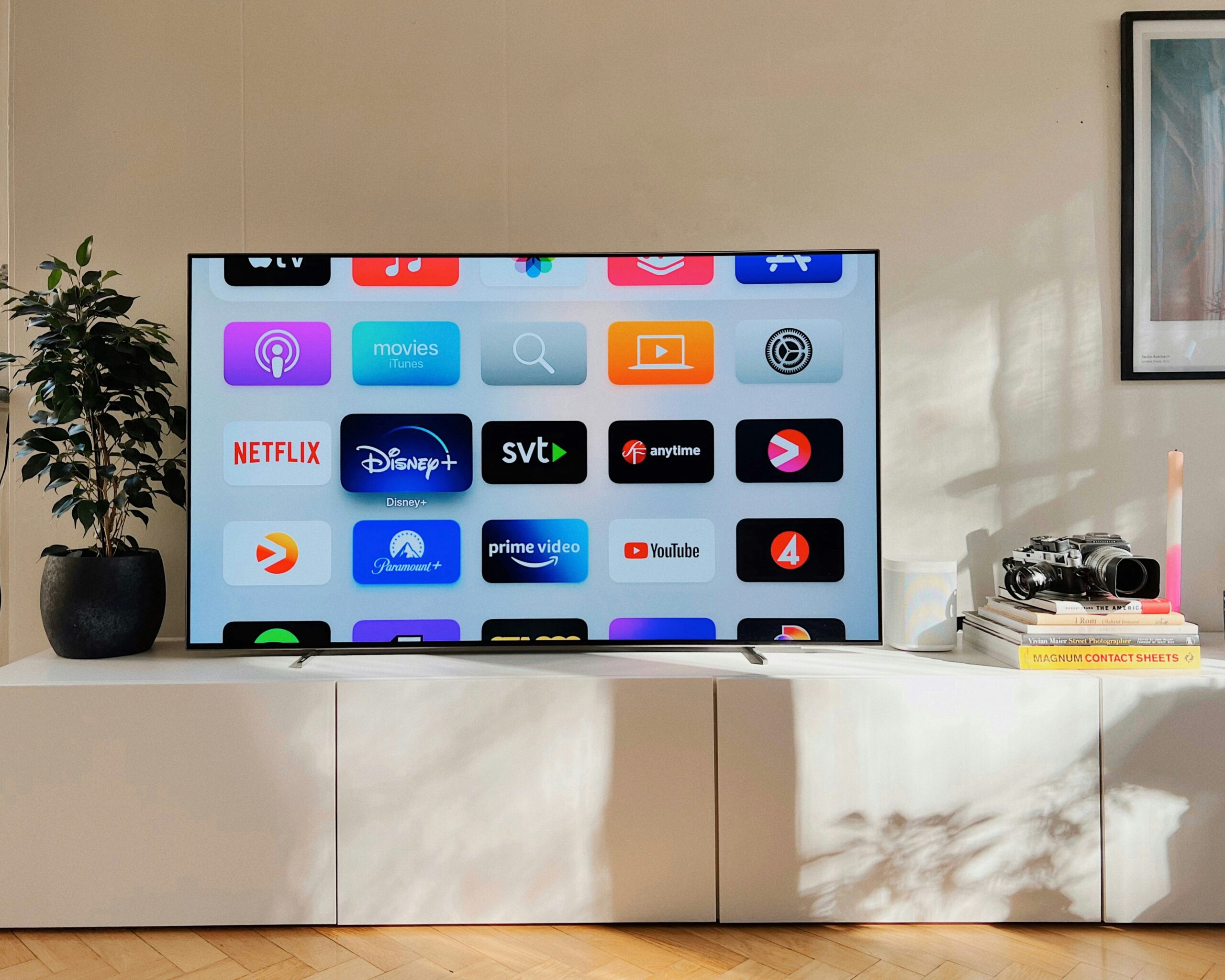
- Apple TV and Prime Video. International giants that have also adapted to the local market: they actively separate Canadian cinema into separate sections, as required by law.
These platforms are not just video sites. They function as cultural hubs: they curate themed collections, launch special projects for holidays, and help people navigate the sea of content. Streaming is now setting trends and shaping the tastes of a new generation of Canadian viewers.
Economic Aspects And Integration Of The Entertainment Industry
Digital has completely changed the game in Canadian cinema. Previously, a huge amount of money was spent on film printing and logistics, but now these budgets are being channeled into social media promotion and the quality of filming itself. Producers now communicate directly with audiences: they see real statistics, who watches what, and for how long. This greatly simplifies life, as the risk of a new project failing has become much lower.
Cinema in Canada is no longer just films but part of a vast digital ecosystem that includes games, esports, and streaming. People are all used to content being accessible at a click, interfaces flying by, and gamification everywhere. Therefore, filmmakers are increasingly emulating the tricks of giants like WinBet. Personalization, loyalty systems, and smart recommendations are all now being implemented into film platforms simply to retain viewers’ attention in the battle for their free time.
At the same time, the local market is no longer just «local». If a film makes it onto a reliable Canadian platform, it automatically reaches a global level. It’s become much easier for foreign distributors to acquire screening rights, and for viewers anywhere in the world to simply turn on subtitles and watch. As a result, Canadian films are enjoying better returns, attracting foreign investment, and Canada itself is becoming a powerful international hub for digital content creation.
Comparative Analysis Of Distribution Models
To better understand the scale of these changes, it is better to compare the key parameters of traditional theatrical distribution with modern digital distribution models. A direct comparison demonstrates why digitalization has become a catalyst for the accessibility of national cinema.
| Comparison Parameter | Traditional Model | Streaming and Video On Demand |
| Geographic Reach | Only people who live in major cities and physical venues are capable of getting access to films | Nationwide access wherever there is internet |
| Content Availability | First 2 months’ films are available exclusively in movie theaters, on TV, and on physical media after that | It is available after the initial movie release or was released straight to streaming, depending on the creator’s approach |
| Distribution Costs | High, because theater tickets and physical media must be printed, as well as logistics and rent, eating into the cost | Low, because the release of the movie is based on cloud storage and server capacity |
| Viewer Choice | Limited by distributors and theater owners | Free choice from thousands of titles |
| Data Analytics | Indirect – box office figures and surveys | Direct – second-by-second user behavior |
| Niche Content Support | Minimal due to high financial risks | High due to targeted recommendations |
The digital model removes almost all the physical and economic barriers that previously held back the development of Canadian cinema. It democratizes the industry, giving independent filmmakers and major studios equal rights to deliver their content to the general audience.
Source
Current Challenges And Technological Barriers
The digitalization of Canadian cinema is in full swing, and the numbers are growing, but a ton of problems have piled up. It turns out that moving online hasn’t solved all the problems, but rather created new ones.
The main problem is the gap between the cities and the north. While internet speeds are flying high in Toronto and Vancouver, people in the north still struggle with slow connections and exorbitant data rates. For them, 4K streaming seems impossible.
There is so much content online that Canadian films are simply getting lost. Why watch a local drama when Netflix’s algorithms are pushing the next blockbuster? Without strong marketing, breaking through is practically impossible. Old laws aren’t working here, and authorities are now trying to rewrite the rules to support their own cinema.
The main barriers are as follows:
- Digital divide. Residents of rural areas are often cut off from normal services simply because they lack decent internet.
- Algorithmic dictatorship. Global platforms are geared toward the American mainstream, so Canadian films often hide at the very bottom of the feed.
- Rights bureaucracy. Old contracts are a whole other issue. Because of them, many iconic Canadian films still can’t legally stream.
- Pirates. Independent producers find it easier to go broke than to fight torrents where their films are freely available.
- The price of admission: Users are tired of paying for ten different subscriptions at once. As a result, content availability is declining, not increasing.
Can Canadian cinema survive this digital meat grinder? The question remains to be seen. The government is trying to make a move: the new Online Streaming Act is supposedly intended to force giants like Netflix to invest in local content. Whether this will actually help, time will tell.