


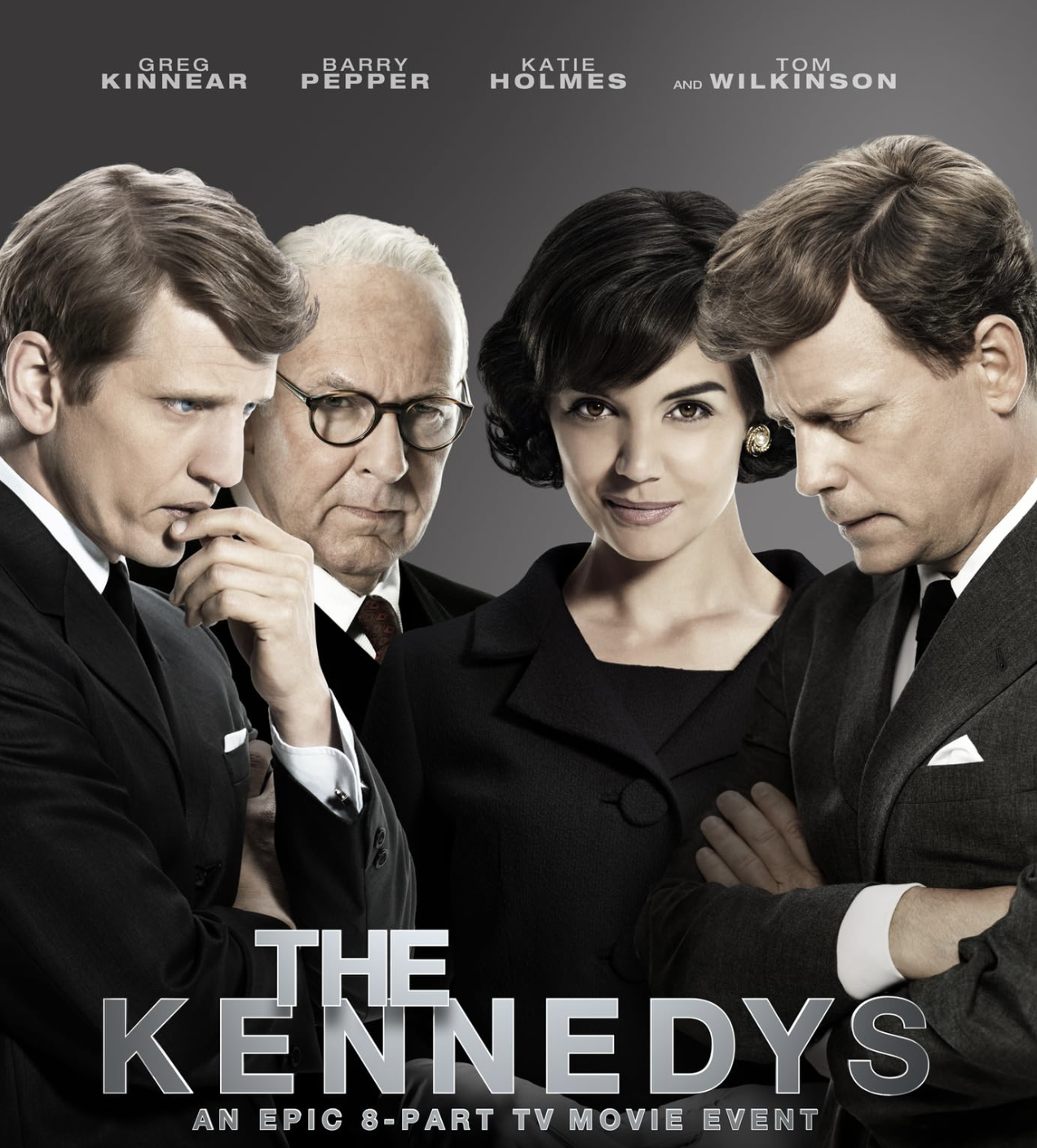
America has always treated the Kennedy family less like politicians and more like cinema. Even tragedy arrived in images that felt painfully staged for history books. The series is not particularly interested in polished political mythology.
The Boy the Country Claimed for Itself
Long before he became a magazine publisher, tabloid obsession, or cultural icon of 1990s Manhattan, John Kennedy Jr. existed as a symbol of national grief. That identity arrived before memory itself had fully formed.Americans watched him grow up in fragments. Photographs outside schools.
The series captures this atmosphere with surprising precision. Fame does not appear glamorous here. It feels invasive. Reporters hover at a distance like predators waiting for movement. Even moments designed as private feel exposed before they begin.There is one especially revealing aspect of the show’s portrayal: John Jr. rarely appears fully relaxed. Even in social scenes, there is a sense of performance underneath the charm. He understands people are watching. He has understood it since childhood.
That may explain why audiences remain fascinated by him decades later. He represented something unusually modern before modern celebrity culture fully arrived.
Romance Under Flashbulbs
Tall, elegant, impossibly polished. The kind of couple magazines place on covers during slow news weeks because their image alone sells aspiration. Yet the series wisely avoids turning them into a glossy fantasy.
Paparazzi surround restaurants. Strangers comment on their relationship in public. Every disagreement risks becoming national gossip within twenty-four hours. Privacy disappears so completely that silence itself becomes suspicious. If Carolyn looked unhappy in a photograph, tabloids invented explanations by morning.
The series understands something many celebrity dramas miss: constant observation changes the texture of ordinary life. Small arguments become performances. Anxiety sharpens.
One of the strongest creative choices involves how little the show romanticizes celebrity culture. There are no triumphant moments where fame feels rewarding or empowering. Public attention operates more like weather – permanent, intrusive, impossible to control.
That atmosphere reflects the media transformation happening in the 1990s. America was moving toward a more aggressive form of celebrity obsession. Paparazzi photography became increasingly ruthless. Political dynasties slowly merged with entertainment branding.
John Kennedy Jr. stood directly in the middle of that collision.
The Kennedy Image Was Built on Emotional Control
Part of what makes the series effective is its understanding of performance inside elite American families. The Kennedys rarely projected chaos publicly. Their image depended on elegance, discipline, and composure under pressure.The series repeatedly exposes the emotional cost of maintaining that image.
Men in the Kennedy family are expected to appear confident at all times. Vulnerability exists privately, if at all. Grief becomes something managed rather than expressed. Conversations feel strategic even during personal crises.That emotional restraint shapes John Jr. throughout the story. Flawless public images no longer feel trustworthy.
A Canadian – American Production with a Different Rhythm
The Canadian influence on the production matters more than it first appears. American political dramas often move aggressively. Characters deliver powerful monologues. Conflict escalates loudly. Emotional meaning gets explained repeatedly to ensure nobody misses it.
This series trusts silence more than spectacle.
Scenes breathe longer. Emotional tension arrives indirectly. Even arguments feel restrained, which paradoxically makes them harsher. When people stop speaking entirely, the silence lands like impact.
That slower rhythm creates room for observation. Expensive interiors suddenly feel cold rather than luxurious. Family dinners look formal instead of warm. Public glamour begins resembling isolation disguised as sophistication.
There is also less interest in turning the Kennedys into untouchable American royalty. The show presents privilege clearly, but it also shows its emotional consequences. Wealth cannot protect anyone from public obsession, family pressure, or loneliness.
At times, the series feels less like a political drama and more like a study of inherited expectation.
John Jr. inherits the heaviest version of that burden because his identity was shaped almost entirely through public projection. Americans did not simply watch him grow up. They imagined futures for him constantly. Future senator. Future president. Future savior of the Kennedy dynasty.
The country wrote stories about him before he had the chance to write one himself.
The Tragedy That Turned a Man into Memory
When John F. Kennedy Jr. died in the 1999 plane crash alongside Carolyn Bessette – Kennedy and Lauren Bessette, media coverage became immediate and emotional. News broadcasts interrupted programming. Commentators spoke about him with the tone usually reserved for unfinished legends.
That reaction revealed something uncomfortable about American culture. The country had spent years consuming his private life as entertainment, yet responded to his death with genuine grief. Celebrity fascination and emotional attachment had become impossible to separate.
The series handles this carefully. It avoids sensationalizing the crash because the audience already knows the ending. Instead, the emotional weight comes from watching people move toward a future viewers understand will never arrive.That creates a lingering sadness beneath many scenes.
John Jr. is portrayed as someone attempting to build an identity outside inherited mythology while remaining permanently trapped inside it. He remains “Kennedy” first, individual second.Perhaps that explains why his story still attracts attention. He symbolized something larger than political legacy. He represented the pressure of living inside public expectation while privately searching for ordinary happiness.
And beneath all the glamour, expensive tailoring, magazine covers, and media fascination, that search feels painfully familiar.