
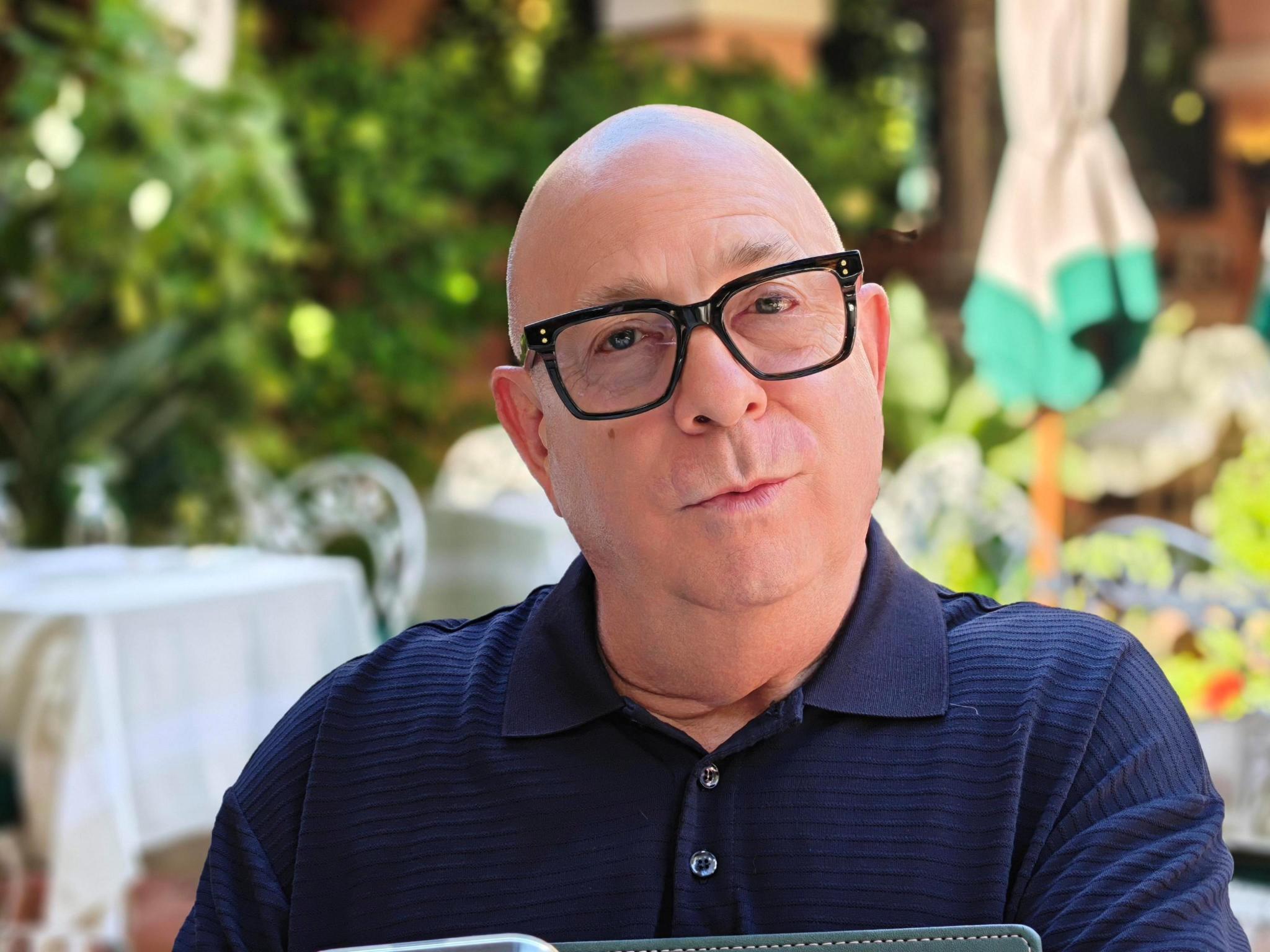
As the industry continues to dig into its past for recognizable IP, the challenge is less in finding valuable properties and more in how those properties are handled. For Andrew Garroni, President of Master Licensing and Eureka Multimedia, the property in question, for now, is the iconic crime procedural Naked City, the film and subsequent television series that profoundly shaped the modern true crime genre. His efforts at developing a modern interpretation of the Naked City series are being shaped by patience, structure, and a clear understanding of why the original concept mattered in the first place.
Garroni is a film and television producer based in Los Angeles who has spent much of his career working with intellectual property that carries proven history and high expectations. His work involves balancing creative ambition with the practical realities of rights management and long-term planning.
First airing in the late 1950s, Naked City was known for its grounded storytelling and focus on everyday people dealing with realistic, complex situations. Rather than relying on spectacle, the series found its strength in its characters and on-location city setting. Garroni believes those elements remain relevant today.
“The original series worked because it paid attention to real people,” says Garroni from his Los Angeles office. “It showed how pressure and environment form the decisions we all make, and that idea does not age.”
Garroni’s updated version of Naked City is not meant to be a direct remake. It is being developed as a contemporary drama that reveals how modern cities function – just as the original did for contemporary New York. Writers on the project are exploring the realities of urban life through the same human-centered lens that defined the original. According to Garroni, the goal is not to update the story for the sake of trend chasing but to let the setting and characters speak for themselves.
Garroni’s Master Licensing is leading the project. The company is responsible for managing property positioning and protection as development moves forward. This structure allows creative teams to focus on storytelling while ensuring that rights and long-term plans remain aligned. Working in Los Angeles keeps those conversations close to studios, writers, and distribution partners without forcing decisions before the material is ready.
Garroni’s extensive production experience also informs the process. Through his work with Master Licensing, he has been involved in developing film and television projects that require careful planning from the earliest stages. That background is reflected in how Naked City is being approached. Scripts are developed deliberately, tone is refined over time, and there is a clear understanding that strong foundations matter more than quick announcements.
Los Angeles itself remains an important part of the equation. The city provides access to talent, infrastructure, and industry relationships that shape modern television. At the same time, Garroni is cautious about letting proximity create pressure. “Being in Los Angeles gives you access, but it doesn’t mean you rush things. Development still needs space to breathe.”
At a time when many revivals are announced and pushed quickly toward production, the new Naked City series has been developed with patience, largely out of the spotlight. That choice reflects a belief that lasting projects are built with care and attention to detail rather than arbitrary deadlines.
The project is an example of a change in how television development is handled. As content moves across platforms and borders, intellectual property management has become a core part of the creative process. Garroni’s philosophy is that rights strategy and storytelling are not separate concerns. When handled together with equal importance, they create stability for everyone involved, from writers to future distribution partners.
For Garroni, the appeal of Naked City lies in its flexibility. “A strong idea can adapt without losing its identity. If you understand why it worked the first time, you can find a new way forward without forcing it.” That mindset has guided his career and continues to shape how this series is being developed.
While the project remains in active development, no production timelines have been publicly announced. That restraint appears intentional. The focus remains on building a series that feels coherent and sustainable rather than one that simply benefits from name recognition.
From ongoing work in Los Angeles to the coordination between Master Licensing and Garroni’s broader production efforts, the Naked City series exemplifies a steady approach to modern television. It suggests that stories are best revived not through speed, but through care, clarity, and respect for what made them endure in the first place.