
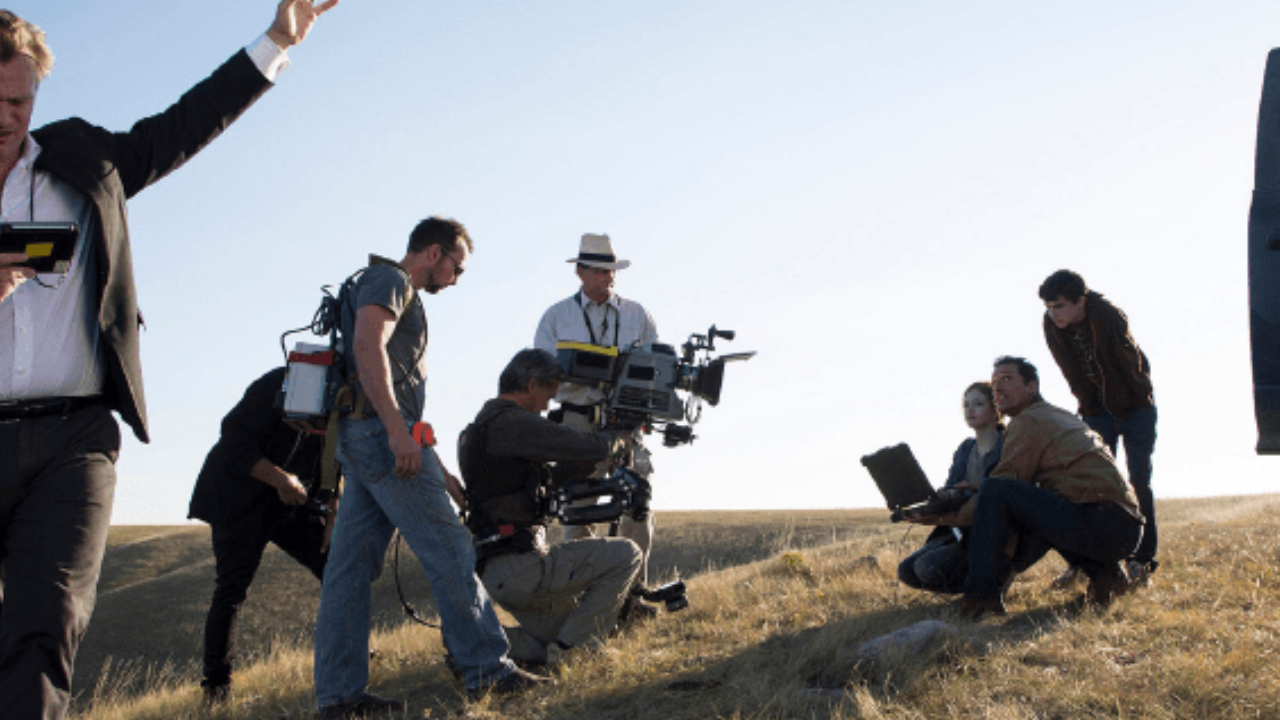
Alberta is an increasingly popular destination for major and indie film shoots alike. Its sweeping landscapes and large amounts of available space has seen it feature in many big budget productions in recent years. However, like most provinces in Canada, it has a unique mix of regulations, incentives and free speech laws to consider before a professional movie can be filmed or distributed there. For Canadian filmmakers looking to shoot in the province, it is vitally important to understand these factors before committing to the production.
The key things to be aware of begin with film classification rules and media laws, which must be adhered to if a production intends to be distributed or even publicly shown in Alberta. Next is the production incentives on offer, which can be useful for big studios but potentially vital for smaller productions. Finally, local considerations in popular filming spots are something to be looked into once particular locations are shortlisted.
Film Classification Rules are an Important Starting Point
Before a film even begins planning for shooting in Alberta, it’s important to consider the requirements of the Alberta Film Classification Office. If a film won’t be shown or distributed to cinemas in the province, this step can probably be ignored.
Registration costs $540 for an annual license, or a $45 fee for one-off screenings. Then, getting a rating from the Office costs $2.40 per minute of movie per screen. So for example if a movie is two hours, it would cost around $250 per screen it intends to be shown on. There are at least several dozen cinemas in Alberta as of 2025, so these costs can rack up for small studios. However, films made to be shown only for non-profit or community group screenings can get discounts or exemptions to these costs, on a case by case basis.
Much like television or film production, online gambling also operate within clear regulatory frameworks. If you’re in Alberta looking for an online casino, the details matter and not all platforms are equal. That’s why a casino comparison site, breaking down everything from bonuses to banking to game selection all in one place, is important for players who want to make an informed choice.
Interestingly Alberta is one of the few provinces that has its own rating system and doesn’t use the common Canadian Home Video Rating System. It takes into account local sensitivities depending on where films will be screened, meaning its ratings can differ from other provinces in some minority cases.
Tax Credits and Production Incentives in Alberta
Alberta’s government is well aware that its scenic vistas are increasingly popular for movie and TV productions and it has attempted to capitalize on that in recent years. The provincial Film and Television Tax Credit program gives movie producers refundable credits of up to 30% of the expected total tax bill.
These tax credits can be used on production expenditures like accommodation, food and entertainment for the crew, which feeds back to the province by supporting local businesses and even creating jobs.
In a similar vein, recent changes to Tax Credit rules have made it so productions can begin shooting and get an improved estimate of their actual expenses – before applying for the tax break incentive. Launched in 2020, the Tax Credit has attracted more than a hundred film productions that have spent hundreds of millions of dollars in the province.
Freedom of Expression Laws and Local Considerations
Canada is a very free country when it comes to expression in film. Productions that push boundaries or deal with sensitive topics – unless they actually break any laws – should not run afoul of much censorship in Alberta or Canada. A production could be rated R (or Adult in some provinces) which would restrict its audience, but, short of physically doing anything illegal, there are very few things you can’t show to adult audiences.
Freedom of expression is enshrined in the Canadian Charter of Rights and Freedoms and also the Alberta Bill of Rights. Obviously, for foreign companies the same rights might not apply back home and in global distribution markets, but for local filmmakers not much is off the table when it comes to topics.
When it comes to actually shooting a production, hyper local laws and regulations also need to be taken into account. Drone shots, public road use, stunts and simulated violence will all need to be discussed with local authorities before commencing.
Urban centres like Calgary and Edmonton have dedicated film and media offices, while local councils may be the go-to contact in smaller areas. Location-specific permits may also be needed if shooting in provincial and federal parks, which are often a key attraction for productions. In this case, they often have their own conservation boards or other management who will liaise with film crew.
Shooting productions in Alberta’s beautiful national parks may require local oversight and could see limited crew and equipment sizes as well as recording hours. However, the sweeping landscapes of somewhere like Banff or Jasper can really prove worth the effort for any production.