
I haven’t spent a long time in colleges or universities or anything remotely close, except for maybe Art Institute and I have met a few international students. Then years later, I would be mentoring a few of these students from VanArts as they worked with my best friend. (Y’know that guy who made the website’s logo? Yeah, I’m trying to get him recognition that he deserves). I’ve gotten along well with them but I never considered the possibility of how finding work could be difficult. As an autistic individual and freelance journalist, I mostly choose my own hours to work, rely on the guest posts that I seem to be getting by the boatload, and all the other income comes in from the government via those handy benefits. But for students, it’s not that easy. It takes years to get where I am now, and after Art Institute I remember me and other graduates were struggling to find jobs, as all we could do was find volunteer work, one fellow graduate posted about how he was looking for work and wanted to avoid prostituting himself for money. I think he works on the graphics for CTV Regina now.
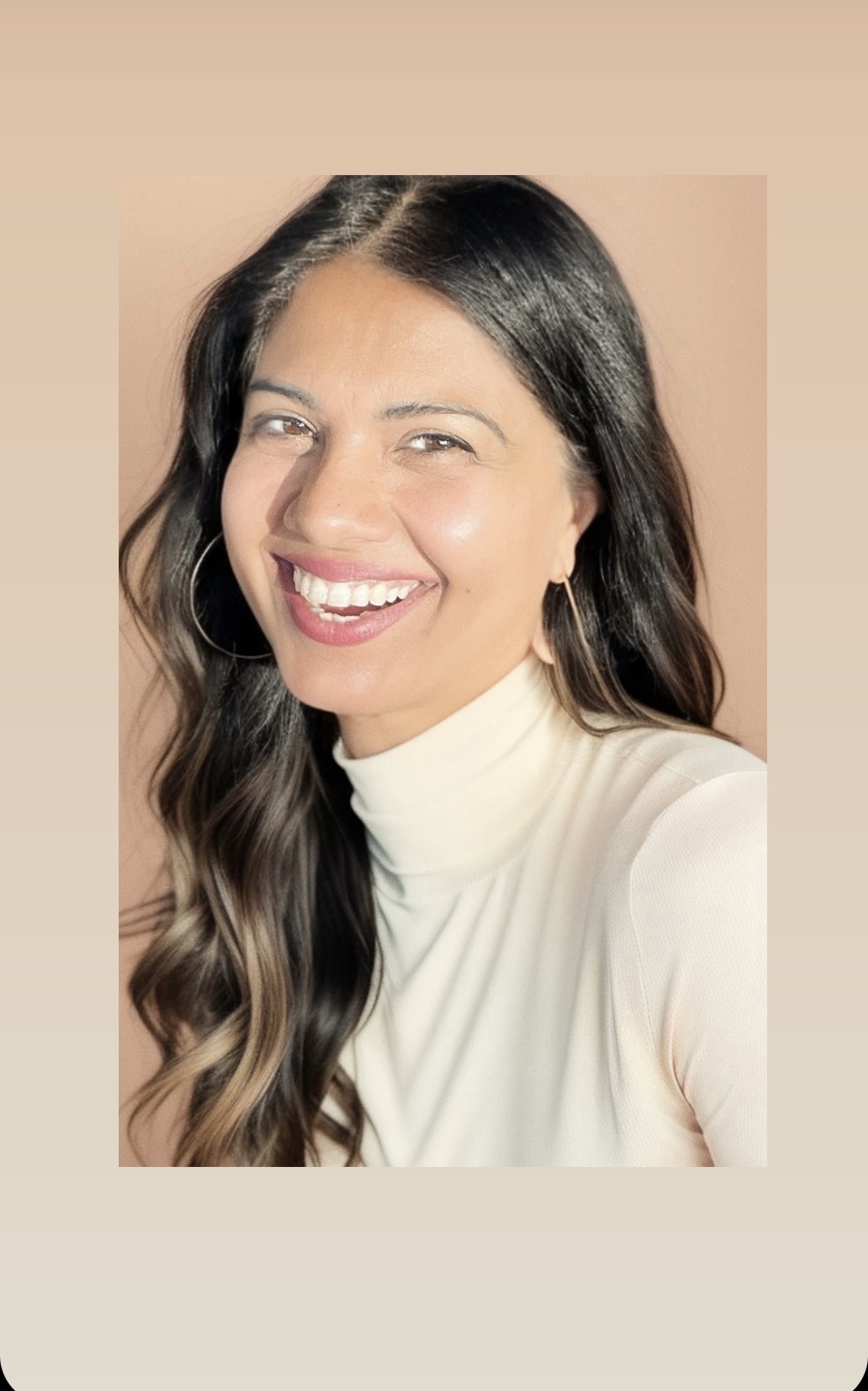
But as he mentioned, prostitution was not something he wanted to do. And as much as it shocks me to hear, international students are heading into that work. I don’t like to shame people who do that work, especially when they have nowhere else to turn, but they don’t have to give themselves away like that. There are resources to help them. Some of those resources are supplied by a business owner named Minu Basi. But she doesn’t just run a business that offers help, she also came up with a feature film that delivers the message and brings more awareness. The film is I Am No Queen, and tells the story of a student from India named Rani who wants to make a better living, only for life to get worse. It’s a very interesting approach, showing prostitution while not showing prostitution at the same time. If that makes sense.
As Minu began coming up with the subject, she started doing research, and it was pretty devastating. Even when she called the director she wanted to have in charge, he was shocked at such things happening because his daughter was going to work abroad. The project was made in about 3 months. It was the most difficult challenge Minu ever dealt with. When she sent me a message to my inbox, I got curious of course, and decided to do an interview on the film with her. Prepare yourself, there’s a lot about this film, and it’s doing a lot in terms of making an impact and going all over.
HNMAG: This is such an intense concept. Where did the idea come from?
Minu Basi: Okay, so, we’ll dive right into this. I opened my own business, LRS Wellness, Revolutionizing Wellness by Empowering Others. So anyhow, we were open in 2017. By 2019 I was hiring young girls because business was growing, and I’m more in outside of the GTA area for Ontario, and I already know some of the things that were taking place with the students. I noticed there was influx with the international students that were coming in for better education and so forth. We would often sit in groups and say ‘there’s some students there who are doing bad things’ or ‘they’re not paying rent’ or whatever. They would just bash them. But my heart as a mother of three daughters and an immigrant as a young kid would go out to them and think “They’re somebody’s kids, they’re here in a foreign land, and I wonder what kind of support they have… Like, let’s just give them a break instead of bringing them down and bashing them, why don’t we uplift them and see how we can help them?” That’s how the conversations would end, and that’s when they started opening up and telling me there are girls who are willing to save themselves for a bag of milk. That always stuck with me, and this is happening around the same area I grew up in. It became very personal and my parents still live in that area. These girls have come here through a fraudulent bogus college, or immigration people have charged them $2000 just to come to Canada and then when they’re here and they’ve mortgaged their homes and lands for generations, that they’ve had just to build a better life abroad. It really stunned me because better life is being a better person, a happier person, being a wholesome person. What these people are going through is not how they’re supposed to live. It doesn’t matter which part of the land from Planet Earth you’re on, we’re still on the same planet. Anyhow, my thinking was a little bit broader then what these kids were going through and they were willing to sex-traffic themselves, live in a basement of 27 kids, so much more, and just to live a Canadian dream or a hope that they would after three years of education have some status here, build a family. I didn’t get it, I didn’t think it was worth all of this. That’s when the topic of this movie came up. Prior to this, COVID came up in 2020 and so I had to close my business and open it many times. One of the ways to help these girls was to open up a mobile business and I’ll just hire them across Canada. I come from a corporate enterprise background 30 years, and give these young girls an opportunity to help others by helping themselves and that’s doing clean work. Not having to revert to sex trafficking. Long story short, I was receiving an award at The Bay from the Queen who was the princess at the time. That moment there was when the name came up, ‘I Am No Queen’ because the conversation I exchanged with Princess Mara and anyhow it was just the vibe then. My mind was made up that if I can hire these girls across Canada and there’s a level of disruption in the world, due to COVID and levels of uncertainty, I decided to do a movie because I knew one director and I’ve always been into showbiz and entertainment. It’s a great way to send a message across to the world. I figured why not invest my time and energy to building a project or film or whatever it is that could go globally to all the women and men and kids and EVERYBODY to understand your self-respect and love and dignity grows much further than trying to be replanted in a new land.
HNMAG: So did you know anybody who’s been through this personally?
Minu Basi: I knew people that had, knew people that knew people, and once you start uncovering this, there’s so many stories. As we were doing our homework, doing interviews and talking to some girls, like as far as I know, business owners would bring them places and hold their passports, then on top of that charge them $40,000 just to sleep for them. These kids were treated because of their naivness and vulnerability to the system itself. I do see justice happening now and I do follow this topic quite a bit, but I’m working on other projects as well. It’s still the first project, right? It made global status, its gone everywhere, I’m very happy and thrilled with it. But yes, these victims are there and I think they’ll talk in time. Not now.
HNMAG: The content is certainly iffy. Was there anytime during filming where you got really uncomfortable?
Minu Basi: There were a lot of scenes that were very very uncomfortable. For a lot of people, it was a project. For some, they’re being watched or in it, or whatever it is. There’s so much level of energy, enthusiasm, and so much greatness was going into this and it was a truly wholesome project. Though for me, it was so personal to the point that when the first time I ordered the crown because it was symbolic, it was so personal it would have moments of ‘Oh my goodness, this is going to be something bigger than I think’ because I would look around at the teams, the individuals, level of equipment, experience and professionalism. Ramadan was going on then and I’m not Muslim myself but there were people that were fasting and breaking the fast and playing during the filming. We were planning to finish this in 10 days and we finished it in 9 and a half. But that 9 1/2 days were like you didn’t know where/if you were sleeping or eating, and a lot of scenes were very emotional as well. But the best part is there was no touching, no fighting, it was level of respect and all of that was most highest. That was the most important aspect, it didn’t matter what hat you were wearing, everyone was equal in the room and everybody was doing their work passionately.
HNMAG: Aside from that, were there some really big challenges that you struggled with?
Minu Basi: I would’ve liked more manpower for help, that would’ve been great. But it just happened, everything happened so quickly. I think the director had more challenges working with the cast because everybody was new, none of us were professionals. It was an indie project to save as much money we could, we worked at home, we turned our house into a production house. We turned every room into a different house in the movie. We even filmed at my mom’s house, her whole house was turned into a film production. It was all about cost savings and doing everything ourselves, and ensuring that everybody’s still taken care of.
HNMAG: How was the plan for casting done? How did you know that you found your talent?
Minu Basi: Oh my goodness, so casting. The director was so confident about teaching people how to act and I’ve seen him, he’s phenomenal. I still salute his work because his level of energy gets channeled higher up when he’s working with artists. I’ve seen him do a film shoot before in our home. Teaching people acting was not that hard because he was willing to do rehearsals and coach them. I think what we were really looking for was that level of innocence for Ronnie. For her to look right, she was sad on the camera. There was so much pressure on her and we went through so many auditions but three finalists and the first one’s face was perfect but her accent didn’t help because people would’ve ended up making fun of it and it just didn’t sit well. The second Ronnie had a lip-job and nose-job done, it just didn’t look natural. Now the third Ronnie on the main cast, she would come for auditions but only as a second person which was Ronnie’s sister Rithema. Starting with the main cast, Fatima would always come to auditions, but she would always sit in the corner and was never noticeable because we were focused on casting for the main character. All these girls that were coming for Ronnie, we were focused on them and the girls coming for Rithema and Harry, we were going to wait and see. It finally came to conclusion, we casted for Ronnie, Rithema, and Harry the three main characters. Our director who was helping through the whole thing looked at the pictures and said, “I’m canceling the filming shoot” so we had to respect the director because the producer has to follow what the director says. I think it was because one of the supporting actresses wanted to be paid as much as the main lead, and he wasn’t even happy with the face to begin with. We called the film off and we suggested we sit on it, and we planned to start everything again. It was quite sad, we started the whole process again, got back to work, look for the cast again, then in the morning the director said “Let’s just change the story. You know what? I don’t think we’re going to find our Ronnie”. I really wanted to show what the main girl was going through, the girl saying “I’m no Queen” because of what she has to go through. I was devastated, it would be a lot of work reworking on it again. Then I’m sitting there having a moment to myself, and I open my Instagram, I was following Fatima. She had posted new pictures and they showed up on my Instagram and I liked her pictures. I was like “This is our Ronnie!” and I told the director and my husband. They were shocked. I called her in for an audition and even though the director rejected her three times as a supporting actress. I felt she had the face, this girl was it. When I talked to Fatima, she was blown away. She was so thankful she was almost shaking and trembling and it just felt like we found our Ronnie, it felt all authentic and good. The process began, she came within 30-40 minutes and I told her not to wear any makeup because everytime she came for an audition she would do her hair and makeup in a certain way. She came as herself, the director and I asked her to say a couple of dialogues and she was it.
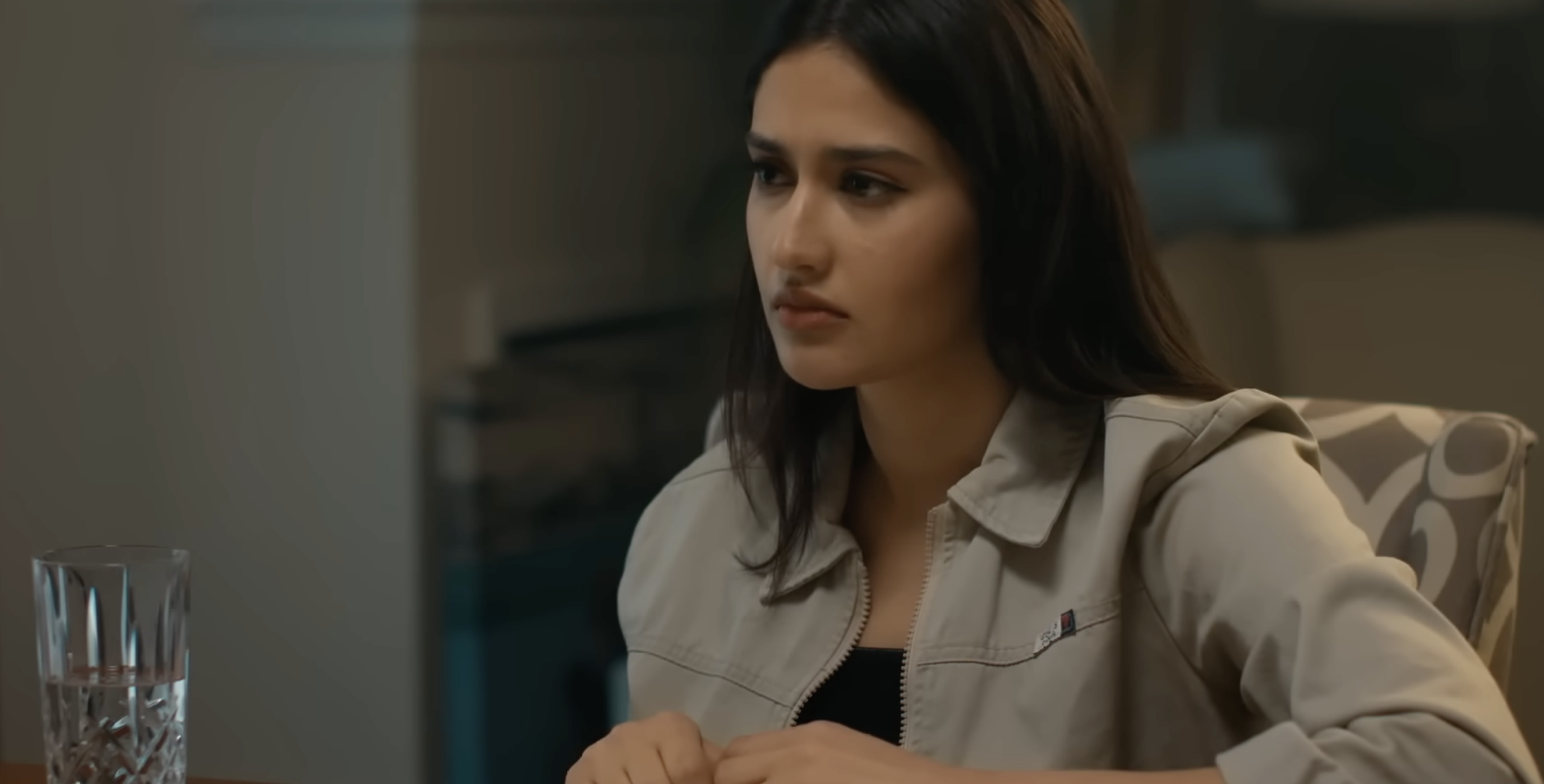
Fatima had no acting experience, instead working as a model. Following that, Minu’s daughter Noreen took a supporting role because she witnessed the rehearsals. It seemed quite a few people came from interesting backgrounds of modeling work and have gotten their first taste in acting. A lot of girls didn’t want to do a sex-trafficking role and it seemed like Minu didn’t know anyone who’d take on the role anyway. It was an interesting experience filling the characters.
HNMAG: It’s also your first feature as far as I can tell. Are you going to do more features in the future?
Minu Basi: a 100%, 1000%. I have taken this as the level of being who I am, being able to give a voice to the world through the world and through art, and giving employment to many artists and paying them fairly. I’m just giving them this industry for them to grow and be recognized. I’ve noticed go many gaps and that’s why I got into wellness because when I started going it was orginally called “Healing centre for women” us staticians were getting paid $7-10 plus tips and I was shocked. This was so unfair, so when I was hiring people, I was hiring them at $15 an hour then. Then I started hiring them at 17, then 25, now at 30 an hour. And I canstantly say to them “Revolutionary is when there will be the day you get respected that your payscale can go up because you’re healing other people. That’s the same thing in the filming industry. There are artists that are volunteering their time, writing, directing, everything A to Z. But how many of them are truly being paid fairly because that was also one of the things I noticed during my project.
HNMAG: I’ve noticed you’re doing a short film next. Are you finding that to be easier?
Minu Basi: I would like to do short verticals, not films. Once you step in the industry there’s many levels of people that want to collaborate with you. You just have to sit back and stay true to your work and see how those collaborations surface. I had a collaboration come out with Lisa and she wanted to be a director so she scoped me out at a film festival, and then even Hardidi scoped me out too. We had two directors that we worked with for short films, I didn’t enjoy the level of complexity in short films. I thought it was just one day and done. I feel like if I was really trying to go over in making content and reaching a wider audience, I would do 90 seconds to 2 minute short verticals. Right now, interest is more in the feature side because there’s still a demand for it.
HNMAG: Will you be making more films with similar subject matters or do you want to stick to other topics?
Minu Basi: Everything and anything that touches my heart. There’s another story, I did go in the dark after I Am No Queen especially in the post-production times. It was very heavy material to edit the film almost 5 or 6 times. Just to make sure that it was watchable for an audience as young as 7 year old girls and as old as a 90 year old person. Being of South Asian descent, it was a very sensitive topic. I think we did a fantastic job on that, I aimed for 15 out of 10.
HNMAG: Now I hear I Am No Queen premiered at TIFF. What was the audience’s reaction?
Minu Basi: TIFF, both shows, everybody was blown away. South Asian Film Festival, full house. Everybody was blown away, everybody has been blown away, but mind you I do find the first 15 minutes are very boring. It starts very slow, but that’s something that makes me say I need to sit with the editing team one more time. But my director says it’s okay, art can always be improved.
HNMAG: Has it had any other screeners in the past? Or will there be more in future places?
Minu Basi: Yes, it’s had a lot of screeners, it has screeners and one’s at one of the largest film festivals in India. I didn’t have film festival strategy, I just submitted it to all the festivals and didn’t even know which category my film fell under because the director did his job, went to India and started working on other work. My job was to get this project to a global audience that needed it to give it a voice. I put my heart and every dollar and cent into it. Then I tried to grants, people told me about them. It would take a year, I had no profile. I had to prove myself to the industry and I was ready to do that. We invest in so much, homes that get demolished. This was a project that was going to stay for generations.
Sounds like I Am No Queen is ruling all around the Canadian Indie Film circuit. If it’s doing so great, I might just find it at a local film festival here. Come to think of it, maybe I should get back into attending film festivals and doing event summaries and reviews like I used to. Well, we can also check out Minu’s business, LRS Wellness as well, and see how it’s helping out young students who feel they have nowhere to turn. Well, Minu knows how to steer them and just about anyone else in the right direction.