
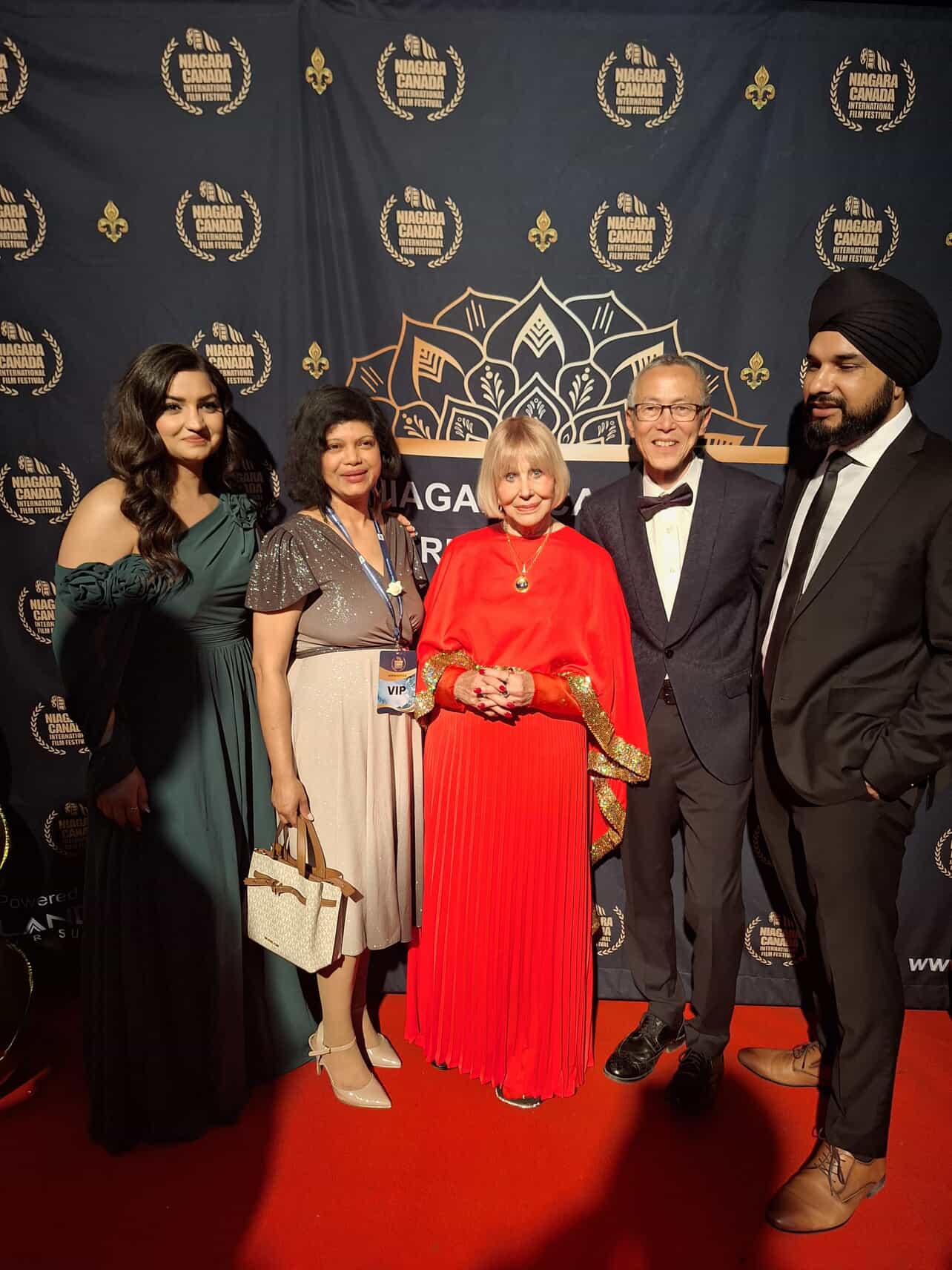
Deep in Mississauga, there lives a filmmaker by the name of Deepa Mahanti who makes deep films about people and their struggles/journeys through life. She’s been doing this for quite some time with her film crew and one day she reached out, sparking my interest. Learning about Deepa through some of the sources I was given, I had to interview her about her films and her legacy. I learned how she started out as a single mother and had lots of struggle. But she perservered and came out on top. Look at her today, making fiklms about people who went through similiar scenarios. If she could do it, and they’re doing great, there is hope for all of us, which is what she is proving in each and every one of her movies.
As I asked her questions during a zoom interview, I could a surge of information and a clear sign of optimism as she explained her backstory, plan, and so much more. You’lll feel the exact same way reading this so go on ahead and take a look on through. You’ll be just as optimistic when you do.
HNMAG: So you started making these films to raise awarness for people after you struggled yourself as a single mother. Were you inspired by watching what they did or was it from what you went through?
Deepa Mahanti: Most of the experiences are the experiences of my life journey, I guess. So it’s very beautfiul when the community comes and help you out, and they understand what you went through and the turmoil and experiences. The thought processes and how they hold together. That is just awesome, so it has been a struggle but the good news is that I’m on the other side now and I feel that many stories untold are pushed under rugs. I try my best to be a part of the community that I was and am and percieve to be always.
HNMAG: And where did you learn how to make movies?
Deepa Mahanti: I went to a workshop coincidentally because I love writing and I’m a published author. I met this very internationally acclaimed filmmaker named Shazia Javed and I was very intrigued by the process of filmmaking and what it takes, the technicalities and complicities from the storyboard to the conception, inception to the different boundaries it takes and terrain. Then all the teamwork it required from sound mixing to editing to frames. It was very interesting, and I have worked with various different filmmakers as well. That, I would say is the turning point in my filmmaking journey. I did work with some institutions as well, colleges, but overall that was my turning point.
HNMAG: How do you know the people you feature? Are they friends, or friends of friends, or do you find them in news stories?
Deepa Mahanti: It’s word of mouth, I volunteer a lot in the community all the years in Peel where I live. Around 18 years now I have been volunteering, I have been part of the community. People resonate with my thoughts and feelings, so it’s their friends, and their friends, and their friends. I have been into vulnerable communities, spoken to many who confidential stories, so it’s just not one group. It’s a community as a whole so we have many stories that need to be told, seen, felt, and heard. I guess this is a level of trust they have for me so I get a lot of stories.
HNMAG: I read that you also make the films in your own backyard. Do you ever look into using other locations like parks, or studios?
Deepa Mahanti: I guess when they said ‘from her own backyard’ they would mean, my own experiences of time. Having said so, of course we used a lot of locations during COVID. Actually people open their spaces because they want us to film. They wanted individuals to be acknowledged, they wanted lives to be preserved. The community opened and I’m very proud to be in a community that works with our voices. That is one voice, one feel, one mind, so we do have felt the essence of humanity. They welcomed us when they learned we were trying to create stories about resonance and wellness. Not one location but so many locations that we continue to use.
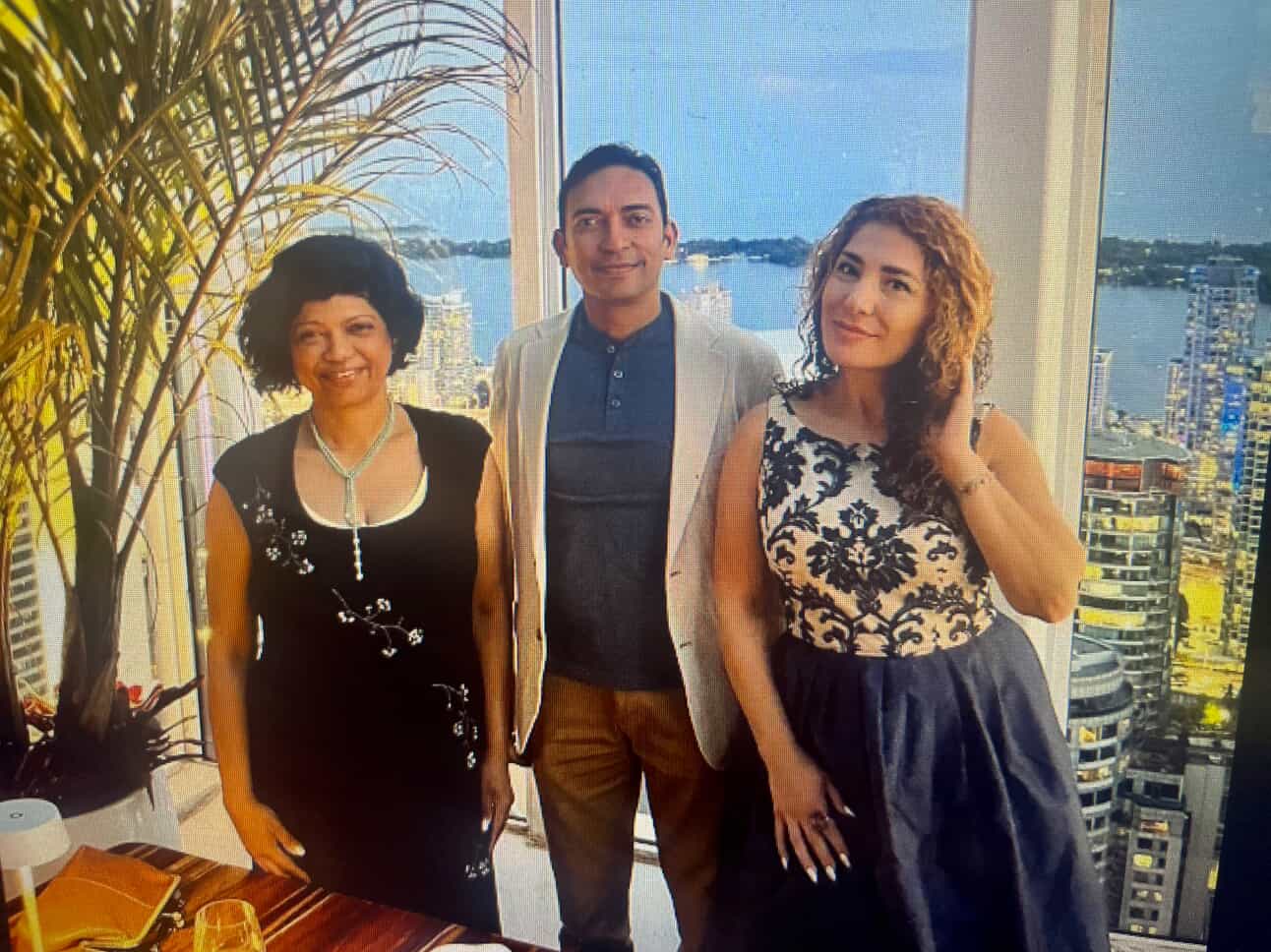
Especially with some cases like COVID, one had to be careful where they were given social distancing. But Deepa has used more locations before in contrast to what may have been mentioned in the other article.
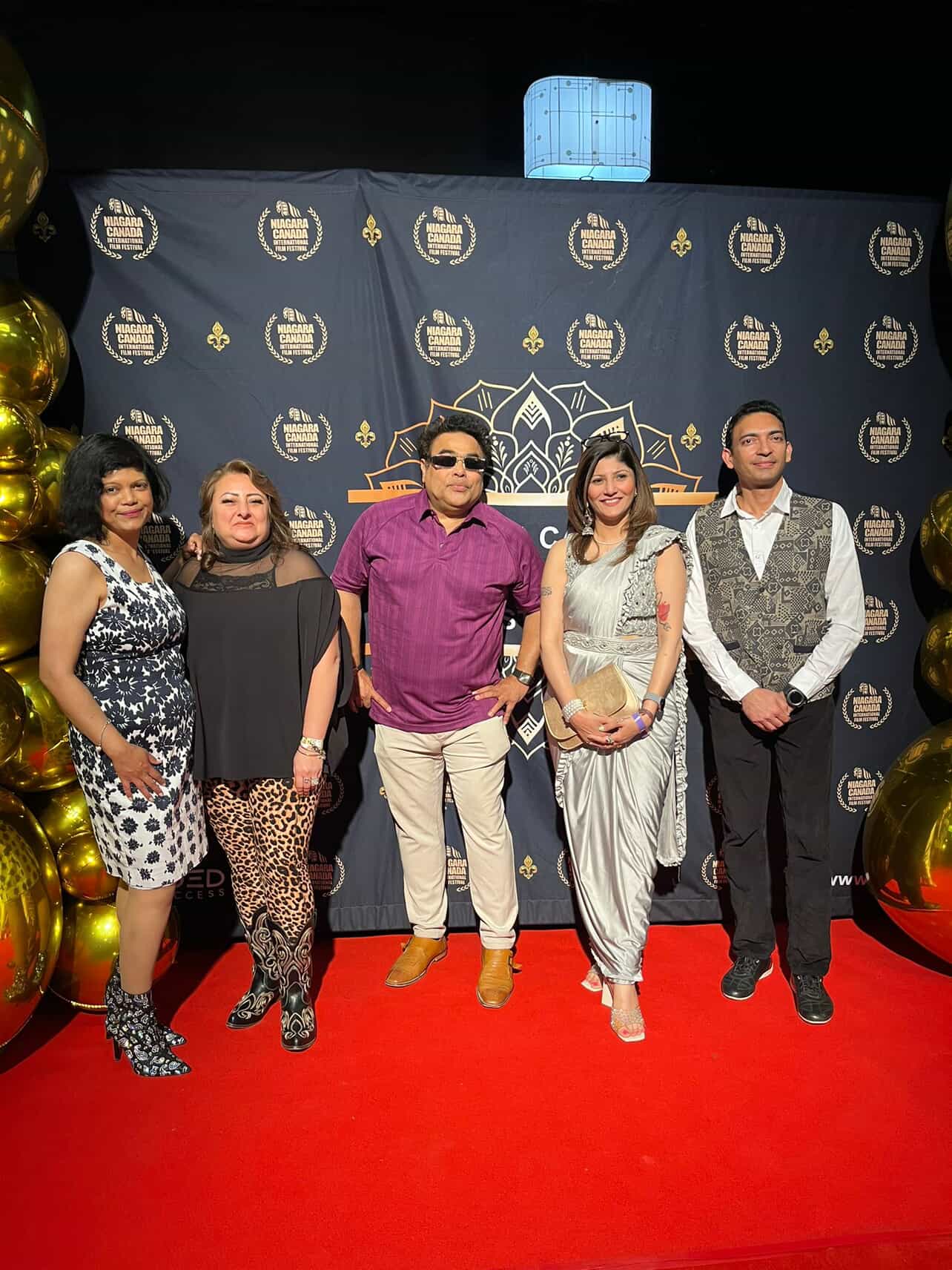
HNMAG: Your film Saanvi got featured at Niagara Canada International Film Festival last year. Did it get any awards and how did the audience react?
Deepa Mahanti: The audience was very receptive, we did get an award in June 2025. The idea was that a voice was telling a story, the dignity and respect was bestowed to the person whose story was being told. There was a lot of applause, audience reciprocated, thoughts of conversations ignited, so it was a very fulfilling experience.
HNMAG: You also work as an author. Have you ever tried to do a script based off the stories that inspired you?
Deepa Mahanti: I do love creative writing, I think I’m good in putting the vision into a stimulating art. I know that I can write, I do review stories before they are turned into scripts, I do the final draft sometimes when needed. But then I feel that putting a vision into life is basically my forte because I feel it is a canvas and I can utilize these feelings into the way I would preceive it to be. When I look into the person’s eyes when they’re telling the story, I feel them and I understand them. I understand the terms of emotions they are going through, they have gone through, and how they would want me to preserve their moments in time. Considering that this is more of a feeling that I carry from them in storytelling, I perceive that I can stimulate it or relay it better when I’m creating the story as a director.
HNMAG: What about your book? Will that be a movie someday?
Deepa Mahanti: Maybe yes, I have got proposations but it is totally my autobiography. They say ’Never Say Never’ but who knows? Fingers Crossed.
HNMAG: How many films have you made?
Deepa Mahanti: This is our eighth project that we are working on currently. There are two productions in row, one is a short, one is a feature. The one that is a short is based off PTSD, it should be not more than 12 minutes. The other one is basically a feature that will take some time now.
HNMAG: And is this your first feature?
Deepa Mahanti: This is our second feature. The first was done in COVID, and it’s called Kadupul. You can pull it up from Youtube and the reason this is in public domain is because we wanted people to resonate to how this individual who is a burn survivor living in Peel went through the very tribulating journey where she has had over 20 surgeries and lives on 3 medications per day and goes to a painkilling clinic. Today she is the CEO of a food bank, it was very inspiring. I thought this would be a great way of interjecting art into wellness, and we bring in a real story lived and how people have had reins of illness and how they have pushed themselves back to create something very meaningful and purposeful.
Deepa explained that film was only done with 4 crewmembers and they were pretty restrained in both time and space. The city’s regulation and isolation was an effect, so they created the entire feature working a 12 hour type shift across 3 months from start to finish. They also had to do an online screening which showcased across a multitude of countries since the hotel they wanted to screen at was closed.
HNMAG: What are some of the ways you try to make each film more different than the other besides subject matter?
Deepa Mahanti: There are a lot of emotions as I say, and there are so many stories too. As social beings, we have thousands of feelings coming to us every single day. Love, care, and all the positive emotions, the negative emotions, there are so many stories. PTSD, mental health, love, abandonment, desertation, and so much social voices. We have culture voices, so many stories that are on the floor. Every topic is so different though it’s still attached to social justice and social innovation. I guess we all have different lives and stories to tell. Each and every story is made with a purpose. Very meaningful and unique.
HNMAG: What other genres would you ever like to try exploring?
Deepa Mahanti: My genre is realism often, and will be. Under the umbrella there could be so many variations. Now as I speak, I am working on some films like I said. One of them is more or less a love story, so we will wait and watch how it unfolds but there’s a lot of diversity in this subject and I hope that it turns out to be something very different and people will like it.
HNMAG: Given the subject matter of the films and the stories you collect, do you find they really touch you?
Deepa Mahanti: Always. If I do not relate to a story, I won’t make it in the first place. So if someone is coming to me with his or her story that means we’re the hope that their moments are preserved and with the hope that they are understood well and seen.
HNMAG: And how do people react to your content?
Deepa Mahanti: There’s always a purpose attached so there could be room for conversations, thoughts, progressive alignment if I may say so. There’s lots of education, fairness, culture, transitioning between different worlds. Lots of different spectrums to look at, and I feel that when they watch our films, they feel embridged. My take away is that if you see a story you will get something to take away because it is not a normal rom-com. This is not a fiction brought to life for entertainment, its got two pillars here: Entertainment, but with a purpose. Most of it is pain to purpose, however it doesn’t have to be as painful. It could have a twist of different emotions and social existence as we speak. I guess they love that piece.
HNMAG: What is one kind of story that you haven’t told yet but hope to do someday?
Deepa Mahanti: As of now, I have touched subjects like mental health. I love social and cultural biases. Gender discrimination is something that I would love to do, I have touched on elder abuse, also how they have combatted mental health, and re-integration. I would love to do something on honourable population and integration into the community. These are stories that are very close to my heart, but they need a lot of research because every story the pre-production faced, we invest a lot of time in research first. The pulse of our stories appease realism and that would mean real and authentic. To know that these stories prevail we do a lot of case studies. We speak to the community, the associations that work with these subjects and then making sure that we’re on the right track creating with the process.
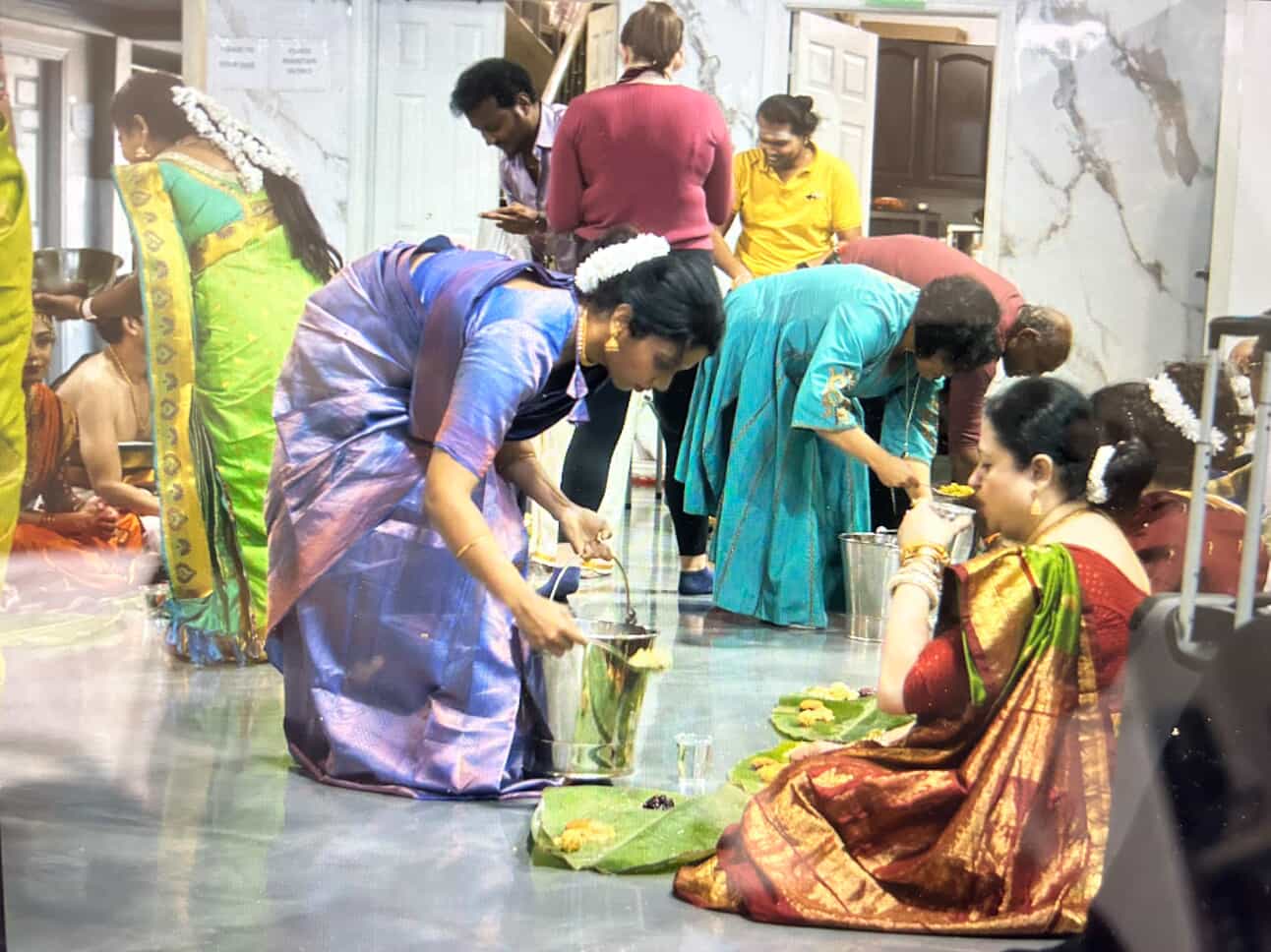
Given what her and I have heard regarding LGBTQ and the communities offering spaces when the government isn’t is proving to be a crucial subject for a documentary that Deepa may someday make and I hope one day I get to review it once it’s released. She also wants to look into a documentary about woman’s rights as women are still being looked down upon. But as far as I’m concerned, everyone’s looking up at her or even to her regarding her documentary subjects, her experience, and how well she is managing. The more she makes, the more we’ll see equality in her province of Ontario or even all of Canada.
Thank you ever so much 🙏🙏🙏