
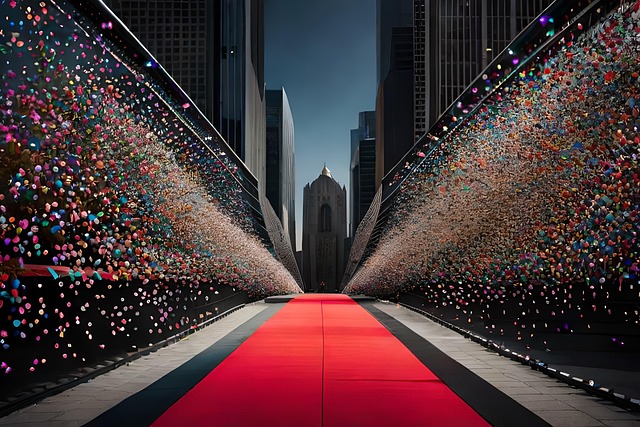
Over the past decade, Canadian independent cinema has increasingly embraced a new visual language—one that blends its traditionally grounded realism with the bold, polished aesthetic long associated with Hollywood. This shift has been gradual yet unmistakable. Today, films produced on modest budgets in cities like Toronto, Vancouver, Montreal, Calgary, and Winnipeg frequently exhibit the kind of set decoration, production design, and atmospheric detail that once seemed exclusive to large studios with deep pockets.
But what exactly is driving this transformation? And how are Canadian filmmakers—especially independent creators—adopting Hollywood décor techniques without compromising their creative identity? This article explores the aesthetic evolution of Canadian indie cinema, the Hollywood strategies behind it, and how production teams across the country are elevating their craft.
1. The Rise of Hollywood Aesthetics in Canadian Indie Films
Canadian independent films have historically leaned toward character-driven narratives, minimalistic set design, and urban or natural landscapes that reflect realism. This stylistic choice wasn’t merely artistic; it was born from necessity. Smaller budgets meant limitations—simpler interiors, fewer props, and minimal set customization.
However, as streaming platforms have grown and audience expectations have shifted, indie filmmakers across Canada have realized that visual sophistication has become essential. Viewers associate cinematic polish with professionalism, even when watching independent projects. This has pushed Canadian productions to incorporate:
-
More detailed set décor
-
Thematic styling
-
Enhanced color palettes
-
High-quality textures and materials
-
Intentional mood lighting
-
Layered interior decoration
Hollywood’s influence is evident in the way sets now support narrative depth—transforming ordinary spaces into emotionally immersive environments.
2. What Hollywood Gets Right About Set Décor
Hollywood films are known for:
A. Story-Driven Design
Every item on set, from furniture to wall art, is chosen for a narrative reason. Hollywood designers believe décor should:
-
Represent character personality
-
Reflect emotional arc
-
Signal transitions
-
Support symbolism
-
Enhance thematic consistency
Canadian productions are now adopting this mindset. Instead of simply decorating a space, indie set designers curate environments that tell stories visually.
B. Layering and Texture
Hollywood décor rarely looks flat or empty. Instead, designers use:
-
Multi-layered textures (wood, fabric, stone, metal)
-
Decor accessories
-
Visual depth through shelves, books, and small props
This technique is now common in Canadian indie films striving for a richer, more cinematic ambiance.
C. Controlled Color Theory
Hollywood uses color to communicate emotion. Specific palettes guide:
-
Mood
-
Genre
-
Character state of mind
Canadian filmmakers are increasingly using color rules such as complementary contrast, monochromatic tones, and vibrant accents—making indie films visually consistent and professional.
D. Thematic Consistency
A crime thriller, a coming-of-age drama, and a sci-fi indie film should each have décor that reflects the world of the story. Hollywood designers prioritize this consistency, and Canadian indies have begun applying the same discipline. The result: cohesive visual identities that strengthen storytelling.
3. How Canadian Productions Are Adopting Hollywood Techniques
A. Using Local Resources More Strategically
Canada’s booming film hubs—particularly Toronto, Vancouver, and Calgary—have developed robust networks of:
-
Prop houses
-
Furniture rentals
-
Set décor warehouses
-
Fabrication workshops
-
Local artists and carpenters
This infrastructure allows indie filmmakers to create visually stunning sets without the budgets of major studios.
B. Repurposing and Upcycling in Creative Ways
One of the biggest secrets behind “Hollywood looks” on indie budgets is innovation. Canadian productions often:
-
Transform second-hand pieces into visually striking décor
-
Repaint or reupholster furniture
-
Repurpose construction materials into stylish set pieces
-
Upcycle scrap items into unique décor elements
This approach produces the polished aesthetic audiences recognize while keeping costs manageable.
C. Smarter Use of Lighting
Hollywood décor often shines because lighting was planned before the decorations. Canadian cinematographers and designers now collaborate more closely during pre-production, using:
-
Practical lights (lamps, sconces, chandeliers)
-
Layered lighting setups
-
Color gels
-
Warm-vs-cool mood lighting
-
Hidden LEDs for depth
This synergy produces sets that appear more expensive than they actually are.
D. Detailed Set Dressing for Background Realism
One hallmark of Hollywood décor is ensuring that even the background is storytelling-ready. Canadian indie films have increasingly adopted:
-
Filled bookshelves
-
Thoughtful wall art
-
Realistic kitchen and office setups
-
Personalized character belongings
-
Lived-in textures
These elements make scenes feel authentic rather than staged.
4. The Growing Influence of Streaming Platforms
The demand for visually aesthetic films has surged due to the rise of:
-
Netflix
-
Amazon Prime
-
Disney+
-
Crave
-
Apple TV
Audiences now watch films on high-resolution screens, making every detail noticeable. Streaming services also acquire many Canadian indie films, pushing filmmakers to meet global visual standards.
Hollywood-inspired set décor is no longer optional—it is a competitive necessity for visibility and distribution.
5. Regional Strengths: Canada’s Visual Advantages
A. Toronto: The Urban Cinematic Hub
Toronto’s architecture and interior spaces lend themselves naturally to Hollywood-style décor. Many lofts, condos, cafés, and studios already have modern aesthetics.
B. Vancouver: Nature Meets Premium Design
Vancouver films blend sleek interiors with natural backdrops, giving indie productions premium contrast.
C. Montreal: Artistic and European Influences
The city’s vintage buildings, eclectic décor, and bold design culture provide rich visual opportunities.
D. Calgary: Emerging as a Design-forward Film City
Calgary’s growing indie film scene combines contemporary architectural spaces with accessible production support. The region’s craftsmanship industry—from carpenters to metalworkers—also supports creative set construction. Even industries like Metal roofing Moncton indirectly influence visual trends by shaping how modern Canadian structures look on screen.
These regional strengths allow Canadian productions to compete visually with Hollywood while retaining cultural uniqueness.
6. Why This Aesthetic Shift Matters
A. Elevated Storytelling
Richer visuals enhance emotional impact. Décor becomes an active storytelling tool rather than passive background.
B. Better Audience Engagement
A polished set keeps viewers immersed. High-quality visuals build trust in the film’s professionalism.
C. Increased Global Distribution Opportunities
Festivals, streaming platforms, critics, and audiences notice production value. Hollywood-inspired décor increases the global appeal of Canadian films.
D. Strengthening Canada’s Film Identity
Canada is no longer viewed solely as a shooting location for American productions. Its own independent films are now visually competitive, culturally distinct, and widely respected.
7. Examples of Hollywood Techniques Now Common in Canadian Indies
-
Cinematic color grading to match décor themes
-
Use of signature props linked to character arcs
-
Minimalist luxury interiors for modern-day dramas
-
Vintage décor for period-style indie films
-
High-contrast lighting setups for thrillers
-
Curated art pieces to shape visual mood
-
Texture-rich backgrounds for psychological storytelling
These techniques allow even low-budget films to achieve a professional and captivating look.
8. The Future of Set Décor in Canadian Independent Film
The aesthetic shift is only beginning. In the coming years, we can expect:
-
Increased collaboration between Canadian designers, artists, and filmmakers
-
More professional training in production design
-
Growth in local prop rental businesses
-
Greater experimentation with mixed media décor
-
Adoption of virtual production and LED walls
-
A rise in sustainable and eco-friendly set-building practices
Canadian indie films will continue refining their style—not by copying Hollywood, but by blending cinematic polish with uniquely Canadian storytelling depth.
Conclusion
The integration of Hollywood décor techniques into Canadian independent productions reflects not just a stylistic evolution but also a strategic shift. As audience expectations rise and global competition intensifies, Canadian filmmakers are discovering the power of strong production design. Through layered décor, intentional lighting, smarter resource use, and narrative-driven spaces, Canadian indie cinema is entering a new visual era—one rich, expressive, and internationally competitive.
The aesthetic shift isn’t about imitation; it’s about elevation. And Canadian independent films are embracing that elevation with creativity, skill, and unmistakable cinematic ambition.