
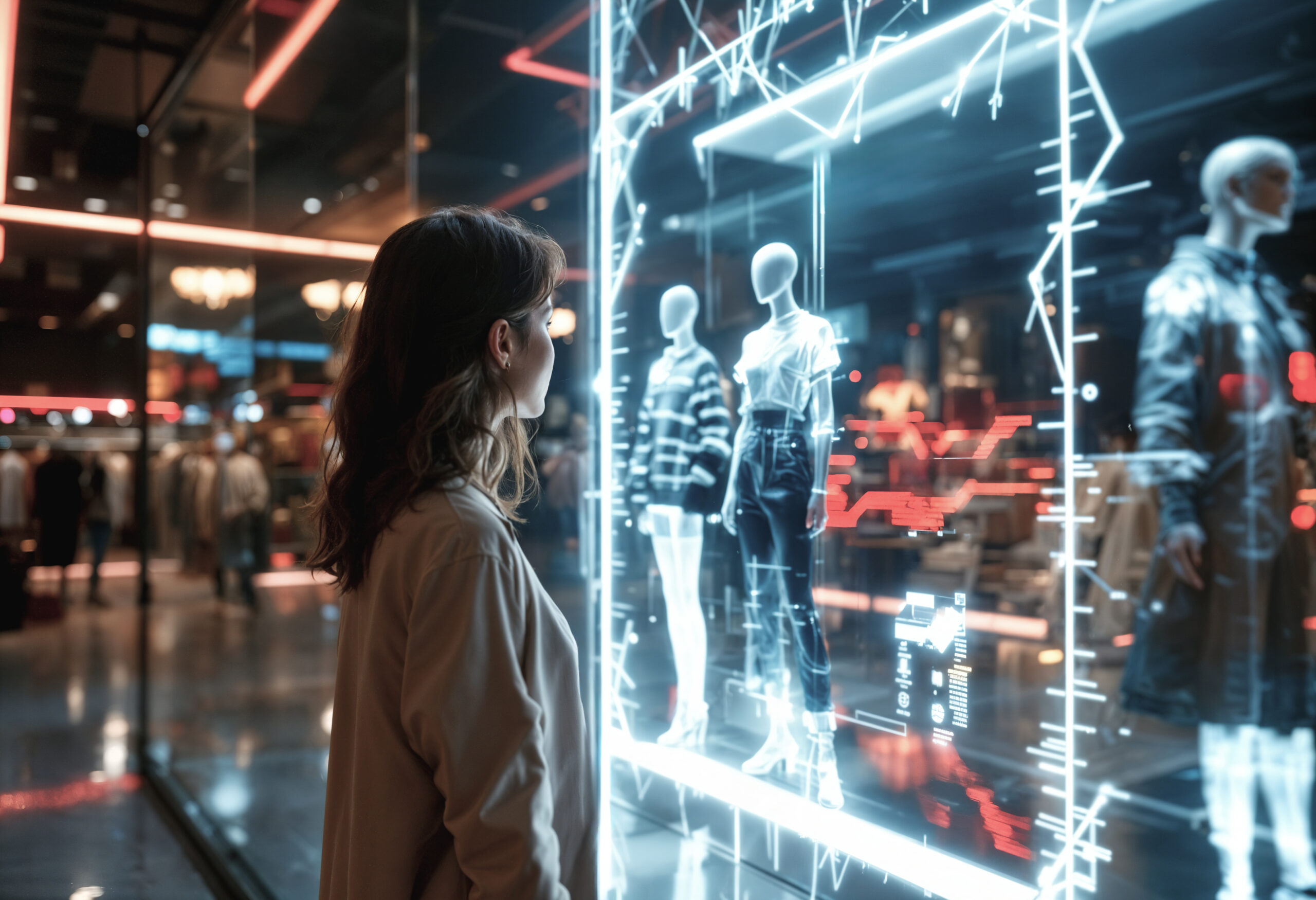
The intersection of fashion and film has always been a space of creativity, storytelling, and cultural influence. From iconic costumes that define characters to trendsetting styles that inspire global audiences, Hollywood has long relied on fashion to bring cinematic visions to life. Today, a new force is reshaping this dynamic relationship—artificial intelligence (AI). As technology continues to evolve, AI-driven fashion is emerging as a powerful tool in Hollywood film production, transforming how costumes are conceptualized, designed, and executed.
The Evolution of Costume Design in Hollywood
Traditionally, costume design in Hollywood has been a meticulous and time-intensive process. Designers work closely with directors and producers to understand characters, historical context, and narrative themes. This involves sketching designs, sourcing materials, conducting fittings, and making numerous adjustments before the final look is achieved.
While this process remains essential, it is increasingly being enhanced by AI tools that streamline workflows and introduce new creative possibilities. AI allows designers to experiment with styles, fabrics, and color palettes in ways that were previously unimaginable, reducing production timelines and costs while maintaining high artistic standards.
How AI Is Revolutionizing Fashion Design in Film
AI is not replacing costume designers; instead, it is empowering them. By leveraging machine learning algorithms and data analysis, designers can now make more informed decisions and explore innovative concepts.
1. Digital Concept Creation
AI-powered design software can generate multiple costume concepts within seconds. By analyzing scripts, character profiles, and visual references, these tools suggest styles that align with the story’s tone and setting. This enables designers to quickly visualize different directions and refine their ideas efficiently.
For example, if a film is set in a futuristic world, AI can propose avant-garde designs that blend current fashion trends with speculative elements. This accelerates the brainstorming phase and allows creative teams to focus on refining the best concepts.
2. Predicting Trends and Audience Preferences
AI can analyze vast amounts of fashion data, including runway trends, social media activity, and consumer behavior. This helps filmmakers anticipate what styles will resonate with audiences at the time of a film’s release.
In Hollywood, where fashion often extends beyond the screen into real-world influence, this predictive capability is invaluable. Designers can create costumes that not only serve the narrative but also have the potential to become cultural phenomena.
3. Virtual Fittings and Digital Prototyping
One of the most practical applications of AI in film fashion is virtual fitting. Using 3D modeling and body scanning technologies, designers can create digital replicas of actors and test costumes without physical samples. This reduces the need for multiple fittings and minimizes material waste.
Virtual prototyping also allows designers to experiment with fabrics and textures digitally. They can simulate how a garment will move, stretch, or reflect light, ensuring that the final product performs well on camera.
4. Enhancing Collaboration
Film production involves collaboration among multiple departments, including costume design, cinematography, and visual effects. AI tools facilitate seamless communication by providing shared digital platforms where teams can access and modify designs in real time.
A well-structured fashion techpack becomes even more powerful when integrated with AI systems, enabling precise documentation of design specifications, materials, and measurements. This ensures consistency and accuracy throughout the production process, especially in large-scale projects with complex costume requirements.
AI and the Creation of Iconic Characters
Costumes play a crucial role in defining characters and enhancing storytelling. AI helps designers create looks that are not only visually striking but also deeply aligned with a character’s personality and journey.
By analyzing character arcs and emotional tones, AI can suggest subtle design elements—such as color transitions or fabric choices—that reflect a character’s development. For instance, a character’s wardrobe might evolve from structured, muted tones to more fluid and vibrant designs as their story progresses.
This level of detail adds depth to the narrative and enhances the audience’s emotional connection to the characters.
Sustainability in AI-Driven Fashion
Sustainability is becoming a major concern in both the fashion and film industries. Traditional costume production often involves significant material waste and resource consumption. AI offers solutions that promote more sustainable practices.
- Reduced Waste: Digital prototyping minimizes the need for physical samples, reducing fabric waste.
- Efficient Resource Use: AI can optimize material selection and cutting patterns to maximize efficiency.
- Reusability: Digital designs can be archived and reused or adapted for future projects.
By integrating AI into costume design, Hollywood is taking steps toward more environmentally responsible production methods.
The Role of Canada in AI-Driven Film Fashion
Canada is emerging as a significant player in the integration of AI within the film and fashion industries. With its growing tech ecosystem and thriving film production hubs in cities like Toronto and Vancouver, Canada provides a fertile ground for innovation.
Canadian designers and tech companies are collaborating to develop AI tools tailored for creative industries. These advancements are not only benefiting local productions but also attracting Hollywood projects seeking cutting-edge solutions.
As a result, Canada is becoming a hub for AI-driven fashion innovation, contributing to the global evolution of film production.
Challenges and Limitations
Despite its many advantages, the adoption of AI in fashion and film is not without challenges.
- Creative Limitations: AI relies on existing data, which may limit originality if not used thoughtfully.
- Learning Curve: Designers must adapt to new tools and technologies, which can require time and training.
- Cost of Implementation: Advanced AI systems can be expensive, making them less accessible for smaller productions.
However, as technology continues to advance and become more affordable, these challenges are likely to diminish.
The Future of AI in Hollywood Fashion
The future of AI-driven fashion in Hollywood is full of possibilities. As technology evolves, we can expect even more sophisticated tools that enhance creativity and efficiency.
- Real-Time Costume Adjustments: AI could enable on-set modifications to costumes based on lighting and camera angles.
- Integration with Virtual Production: As virtual sets become more common, AI-designed costumes will seamlessly integrate with digital environments.
- Personalized Audience Experiences: AI could tailor costume designs for different markets or audiences, enhancing global appeal.
These innovations will not only transform the production process but also redefine how audiences experience fashion in film.
Conclusion
The rise of AI-driven fashion in Hollywood film production marks a significant shift in the way costumes are designed and executed. By combining technology with creativity, AI is enabling designers to push boundaries, streamline workflows, and create more impactful visual storytelling.
While challenges remain, the benefits of AI—from efficiency and sustainability to enhanced creativity—are undeniable. As Hollywood continues to embrace these advancements, the collaboration between fashion and technology will only grow stronger.
In this evolving landscape, AI is not replacing the artistry of costume design but elevating it, opening new doors for innovation and expression. The result is a future where fashion in film is more dynamic, sustainable, and inspiring than ever before.