


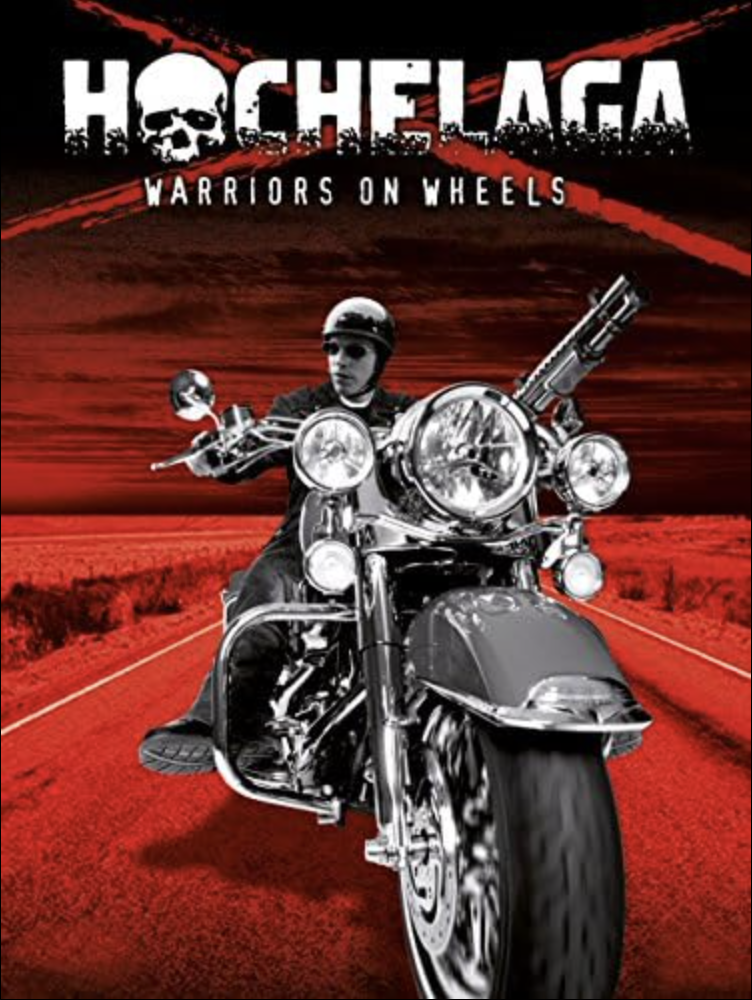
Most crime films are made after the dust settles. This one wasn’t. In 2000, a Quebec director pointed his camera at a Montreal neighborhood while a real war between motorcycle clubs was still unresolved, and the result is a two – hour drama about a young drifter who gets swallowed by one side of it. The gangs on screen have invented names. The fear around them was real. Here is how the film shows life inside that world, where it matches the record, and where it takes liberties.
The Neighborhood and the Newcomer
Montreal’s east end rarely makes it onto postcards. It is a working – class district, and it gives this film both its name and its mood. Michel Jetté wrote and directed the picture in French, and he shot it in the neighborhood itself. He admitted in an interview that doing so was a risk, given what was happening on those streets at the time.
The main character is Marc, played by Dominic Darceuil. He’s young, he has a criminal record, and he sells drugs in his own part of town until bikers push him out of the way. Nothing about him suggests a future crime boss. He’s the sort of person who is easy to overlook, and that’s exactly why a club might want him.
The club in question is the Dark Souls, which is fighting a rival outfit called the Devil’s Soldiers. Anyone who wants the full cast and crew list can find it on the IMDb entry for Hochelaga, along with release details.
A small district works like a pressure cooker. Faces repeat. Reputations travel fast. When a gang is recruiting, a young man who lives three streets over can’t pretend he never heard the offer.
What Belonging Costs
That last part matters. A club at war needs soldiers, and soldiers need a reason. The offer made to a recruit sounds a lot like friendship: a crowd, a name, a place at the table. Underneath, it is closer to a deal. Protection arrives, but so do orders, and orders don’t come with an exit clause.
Stories about gangs usually stumble here, either by making the brotherhood too warm or too sinister. This one mostly avoids both. The members aren’t cartoon villains, and they aren’t misunderstood either. They are people running an organization that happens to kill.
Violence as the Reason for Everything
Take the rivalry out of this story and nothing is left. The Dark Souls recruit because they’re fighting. Marc is pulled in because they need hands. Every later turn grows out of that single fact. It is not staged to thrill. It is staged to leave a bad taste.
There’s a practical side too. Provincial film classifiers at the time marked the drama for violence and strong language, which gives a rough idea of how rough it looked to the people who rated it.
The Business Behind the Patches
Clubs like these were never only social groups. The early scenes make the point without a speech: Marc loses his corner, and the people who take it are bikers. Territory means customers, and customers mean money. What the film offers is a snapshot of the conflict at its worst, with fictional clubs and a fictional recruit standing in for the real ones.
How the Film Was Made and Received
The crew was small. Larry Lynn handled the photography, Gilles Grégoire wrote the music, and Louise Sabourin shared the editing credit with Jetté. At a little over two hours it runs long for a genre that likes to move fast, and the extra time gives Marc’s slow slide room to feel believable instead of rushed.
Critics didn’t agree on what it was really about. Pierre Barrette, writing in the Quebec magazine Images, went further and argued that the biker setting was almost incidental. In his view, the same story could be told about the mafia or a street gang and little would change. Both readings are fair. The motorcycles give the film its look, but the real subject may be a young man looking for somewhere to land.
What Stays With the Viewer
The film doesn’t ask anyone to root for the clubs. It asks the audience to watch what happens to a person who walks into one. The ending is not a surprise, and it isn’t meant to be.
For readers curious about the biker war itself, the film works as a starting point rather than a history lesson. The people in it are invented. The danger around them was not.
What the Film Leaves Behind
A young man wants a place to belong. A criminal club is happy to provide one. The price is hidden until it is too late to refuse, and by the time Marc understands what he agreed to, most of the decisions have been made for him.
Three ideas run through the film. And place shapes people. In a tight working – class district where everybody knows everybody, the road into trouble is short, and the roads out are few.
It asks them to watch what the violence does to the people standing nearby. That approach has aged better than flashier alternatives, and it explains why the film still comes up when Quebec’s biker war is discussed on screen.
It also has a limit worth remembering. The clubs are invented, the recruit is invented, and the story was finished before the real conflict was. Anyone who wants the full history should read about the war itself. What the film offers is something else: a close look at the human side of it, set in the streets where it happened. Perhaps the better question is not why the clubs look so dangerous. Anyone can see that. It is why a person would walk through their door anyway.