


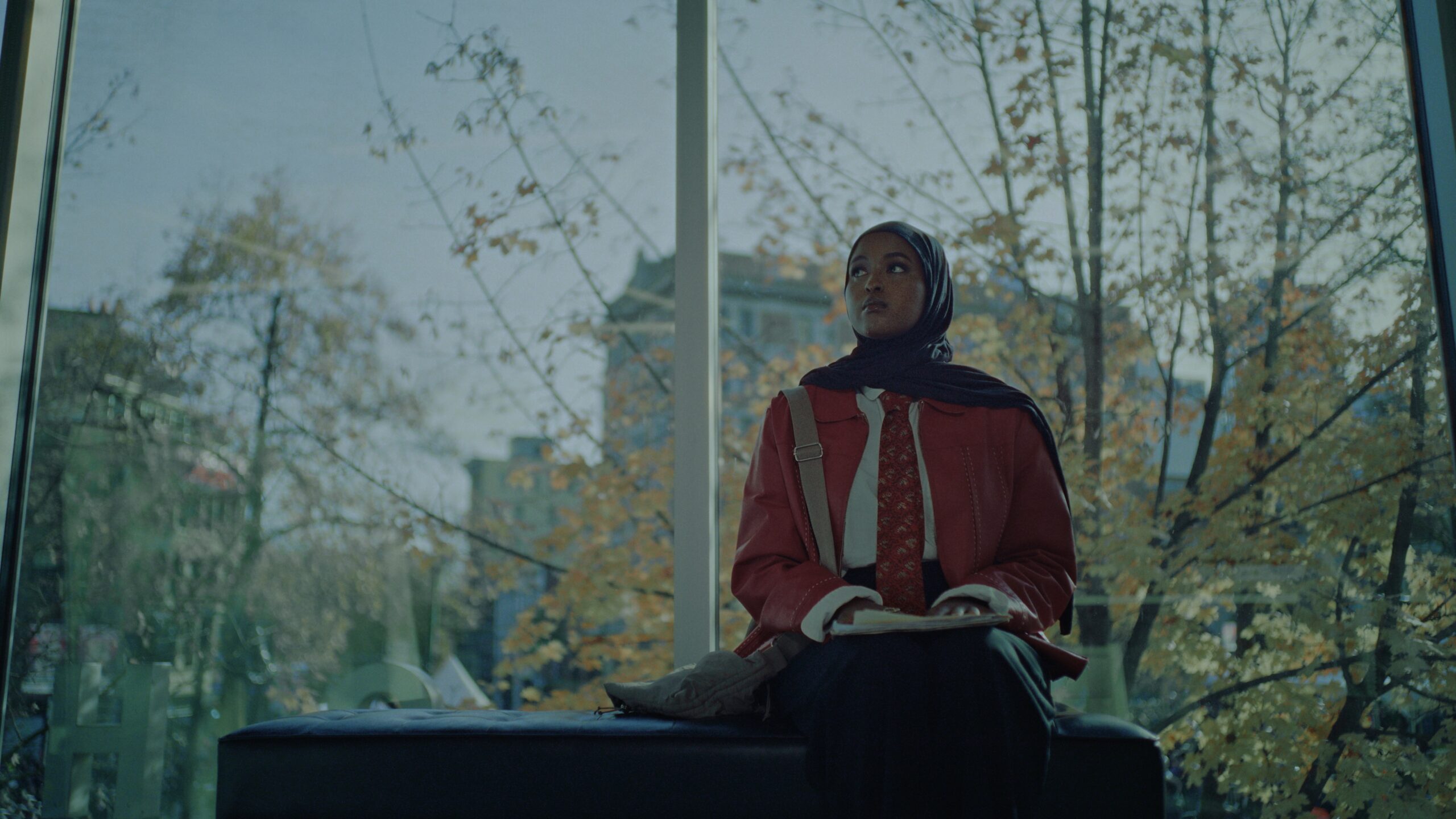
The Vancouver-set feature film Lifeline was screened at the 2026 Vancouver International Film Festival (VIFF).
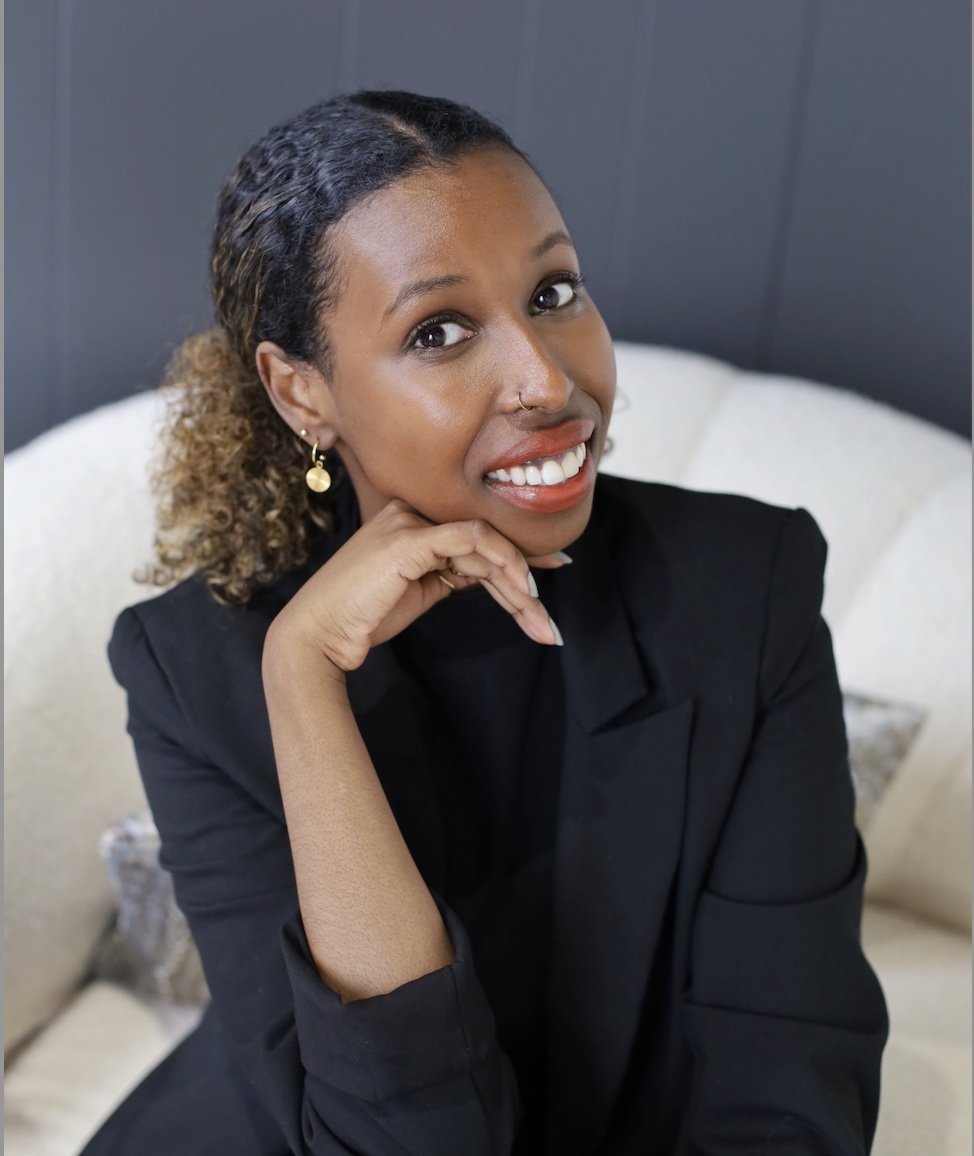
We spoke with the writer and director Ilhan Abdullahi.
HNMAG: Were you born in Somalia?
Ilhan Abdullahi: No, I was actually born in Italy. It is very beautiful.
HNMAG: What part of Italy were you born in?
Ilhan Abdullahi: I was born in Pisa.
HNMAG: Do you speak Italian?
Ilhan Abdullahi: No, my parents do. I didn’t stay too long.
After that, we came to Canada as refugees, just because there was a war in Somalia. My parents couldn’t go back.
They decided to come over here for more opportunities. My older sister learned Italian, but unfortunately, I just focused on English and Somali.
HNMAG: Being bilingual is still pretty tough. It’s impressive.
Your parents decided to come to Vancouver. Why did they choose Vancouver?
Ilhan Abdullahi: Funny enough, they were hoping to go to Toronto. With a government-sponsored route for asylum, they decide where you go. In the early nineties, in Vancouver, there wasn’t like a big wave of refugees settling in from Somalia.
There were just more housing opportunities. At the time, there were a lot of refugees with Somali backgrounds settling in Eastern Canada.
HNMAG: Montreal and Toronto?
Ilhan Abdullahi: Yeah, exactly. They were hoping that they would go there because we were on the street around that time, and that’s the place to be. It’s easier to speak your language, but also to meet people from other communities. We ended up coming here, and I’m happy. I really love Vancouver.
HNMAG: How did an interest in film and TV come about?
Ilhan Abdullahi: I’ve always been so fascinated and interested in film. Since I was a kid, I would always be watching movies right after class. After high school, I’d rush home at three just to put a movie on. I’m always getting lost in these worlds that were built by the artists. Oh my god, I love it. I didn’t know if I was going to act or if I was going to write or direct, but I just want to be in the film world. As I got older, I realized it’s a very difficult thing to get into.
HNMAG: Mm-hmm.
Ilhan Abdullahi: To try to break into and find people. I just wasn’t seeing a lot of people from my own community whenever we’d go to different talks and things. It’s always about how you could become a doctor. Here’s how you could go into different fields, but I never saw anything in film. So I kind of kept it as my passion. I would just watch movies. I would go to random community-led writing workshops.
And film clubs and just talk about movies. That kind of kept that passion and connectedness to film alive. I just continued, but my other passions were also health, justice, and community work.
I was like, let me do more of that too, because I just love working with people and just thinking about the health of everybody. So I did that. I would just do the thing where, while I was an undergrad, I would still go to screenings, and I would go to the Vancouver International Film Festival (VIFF).
I would go to all these places and just get inspired by people, and I started to learn how to become a screenwriter. So I was like, well, I don’t know if I can actually make movies, but let me write them and start there.
HNMAG: What school?
Ilhan Abdullahi: Simon Fraser University (SFU).
HNMAG: What were you studying?
Ilhan Abdullahi: Health sciences.
HNMAG: Did you take an elective in film?
Ilhan Abdullahi: Electives, exactly. I could take random courses. I took a writing class, a literature class, and then I would do online master classes.
I did a lot of self-learning, and I went to the library. You can actually read scripts, so I did a lot of that. Then it wasn’t until the pandemic happened that I was able to work a little bit more virtually; a lot more film things just became virtual. So it felt like suddenly a lot of these conversations felt more accessible. I could hop onto a Zoom call at noon and listen to writer-directors in the States, talk about their film. Through that, I just started networking and meeting people. I got more in touch with indie filmmaking, where you can actually do it yourself instead of thinking about pitching your scripts to these massive production companies. That’s where the idea came from. I wrote the script in 2014. I’ve been thinking and dreaming this whole time that maybe I could just pitch it to a streaming platform or something, and then reality sank in. There’s a whole avenue where you could just go the independent route.
HNMAG: You wrote Lifeline in 2014. Did you write it as a feature, or is it short?
Ilhan Abdullahi: As a feature.
HNMAG: You made it as a proof of concept?
Ilhan Abdullahi: Exactly. I started to realize that a feature is pretty ambitious to start.
To start out, making a feature film yourself and building the crew is daunting. A nice stepping stone to do that, and also to see if I even want to do it, and if I like doing it, is doing more short films. I paused on Lifeline, and I started to work on other short films of mine with different tones; I did documentaries. I did comedies. I did a drama, and then from there, I just built a collective and a community of just filmmakers and people that I consider my team. I started to wonder if there even would be an appetite for Lifeline, and if there was an audience? Let me just do a teaser to show what the tone could look like and what that world is, if there is a story there, and that’s what led to me making the short film in 2024.
HNMAG: Great. You proved it to work, so you were able to expand it into the feature you intended.
Ilhan Abdullahi: Exactly, exactly.
HNMAG: That’s wonderful. At the beginning of the movie, when Hassan’s acquaintance asks him to stop at this house, he reluctantly agrees.
There was an off-camera sound of a gunshot; it was unclear what happened. Was that a place he was intending to break into? Did someone shoot at him?
Ilhan Abdullahi: That’s a great question. The whole setup of the story was that he comes in basically saying he has a delivery, which could be a food delivery. It’s like a DoorDash. Poor kid…
HNMAG: We get that.
Ilhan Abdullahi: He doesn’t have a car. The reality is he’s doing drug delivery. Hassan doesn’t really know. He’s like just assuming, I grew up with this kid.
HNMAG: Yeah.
Ilhan Abdullahi: He’s not up to anything crazy. Let me give him a ride. And so what ends up actually transpiring, which I decided not to show. Not to make the movie more of a crime drama.
It’s a burglary that he was setting up, and he just knew that he would have to get away with it. An altercation happened, and that was the gunshot sound.
HNMAG: It was a B&E that went sideways.
Ilhan Abdullahi: Yes, an attempted Break-In.
HNMAG: Lifeline is really Ibtisam’s story.
Ilhan Abdullahi: I was a youth worker; one of my mentors at that job was also a youth worker. The movie takes us outside the case, but shows us more of these relationships between youth workers and youth, and what happens when youth are thrown into these kinds of cases where they don’t have the expertise and their whole job is to create trust. That’s actually a really very different lens that I’d be really happy to explore. That led to this. So there are a lot of questions, even for myself, that I was like, what happens with this case? How does he get free? And I spent a lot of time actually talking to judges and lawyers that I know. Picking their brains. How does a kid end up in house arrest versus being actually in jail? What are the different circumstances that would lead to that? It was really fascinating research.
HNMAG: What is next for you?
Ilhan Abdullahi: I am working on another feature film. I feel like this is a nice stepping stone to tap into the world more and be seen as a director of feature films now, and try to make more projects.
HNMAG: Is your next feature going to be independent as well?
Ilhan Abdullahi: I’m definitely hoping for a larger budget.
I am also producing. I’m going through a producer’s program right now at the Whistler Film Festival (WFF).
For this project, the goal is to aim for applying for Creative BC grants and Telefilm. Seeing if we can make this on a bigger budget. It’ll still be considered low budget for a Canadian feature, but much higher than Lifeline. We’re looking to get more support, more infrastructure. It’s an international thriller. We’re looking at international co-production, so it’ll definitely be a bigger budget.
HNMAG: Lifeline is very much a Vancouver story. It’s great to see Canadian films set in Canada. Will your next feature be a union project?
Ilhan Abdullahi: Yes, exactly. That’s the goal. The thing that does make it a bit challenging is that, for a lot of the communities the stories center on, folks who have less actor training and are not unionized. That’s where some of the tension is. We want authentic representation.
HNMAG: When are you hoping to go to camera for your next feature film?
Ilhan Abdullahi: With Lifeline, we chose the date, and no matter what, we’re going to film then and figure out the resources. This one will be a learning curve for me. It’s pausing and just waiting to go and have our schedule whenever we know exactly what funds we have in place. I know that I want to shoot it in the fall, so I don’t know if a year’s time from now is realistic. I mean, that would be the dream, but if not, definitely the following fall. So within a year or two.
Lifeline is a wonderfully performed and directed movie that is a unique Vancouver experience. The story is new and refreshing, which most audiences don’t even associate with Canada, never mind Vancouver. We hope to see more productions that focus on different cultures within Canada that make our country progressive, strong, and internationally admired. We are looking forward to speaking with Ilhan Abdullahi once again once her international thriller is released.