


For many Hollywood homeowners, privacy is more than a luxury. It is an important part of creating a comfortable home environment. Properties belonging to actors, musicians, producers, and other public figures often need to balance an attractive appearance with practical security and controlled access.
From carefully designed entrances to landscaping and perimeter gates, several features can help create a home that feels private without looking overly fortified.
The Role of a Private Entrance
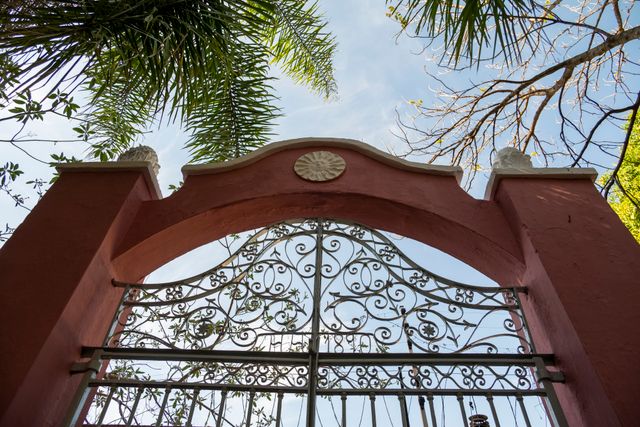
The entrance is one of the first things people notice about a property. A well-designed gate can create a clear boundary between the street and the home while complementing the property’s architecture.
For larger properties, a driveway gate can also help control vehicle access. This can be particularly useful for homeowners who regularly receive guests, deliveries, staff, or service providers.
The goal is not simply to make a property difficult to enter. A well-planned entrance should make authorized access convenient while providing homeowners with greater control over who approaches the property.
Why Gates Need More Than Good Looks
A beautiful gate can contribute to a property’s curb appeal, but it also needs to work reliably. Repeated opening or closing problems can be frustrating and may eventually become a safety concern.
Homeowners should pay attention to signs such as unusual noises, slow movement, uneven travel, scraping, or a gate that no longer closes properly. These symptoms may indicate problems with hinges, posts, rollers, tracks, alignment, or the gate operator.
If an automated gate repeatedly develops problems, looking only at the opener may not address the underlying issue. Professional Zimmer Gates maintenance and repairs can help identify whether the problem involves the gate structure, hardware, alignment, or operating equipment.
Landscaping Can Add Privacy Without Creating a Fortress
Privacy does not always have to come from walls and heavy security features. Landscaping can provide a softer way to create separation between a home and the surrounding area.
Tall hedges, mature trees, climbing plants, and carefully positioned shrubs can block views while adding character to the property. Landscaping can also be designed around existing architecture so that privacy features feel like part of the overall design.
For celebrity homes, this approach can be particularly appealing because it provides visual privacy without making the property look excessively defensive.
Lighting Makes a Difference After Dark
Outdoor lighting is another important part of a private residential property. Well-positioned lights can illuminate driveways, walkways, entrances, and other areas around the home.
Rather than flooding the entire property with bright lights, homeowners can use lighting strategically. Motion-sensitive fixtures, pathway lighting, and architectural lighting can improve visibility while maintaining the property’s appearance.
Good lighting can also make it easier for residents and visitors to navigate the property after dark.
Technology and Modern Home Security
Today’s luxury homes can combine traditional privacy features with smart technology. Cameras, video doorbells, automated gates, access-control systems, and connected lighting can give homeowners greater visibility over activity around the property.
Technology can be especially useful for homeowners who travel frequently. Remote monitoring can allow them to check entrances and receive notifications without being physically present.
However, technology works best when it complements rather than replaces sensible physical security measures.
Designing for Privacy and Curb Appeal
Security features do not have to compromise the appearance of a home. In fact, gates, walls, landscaping, lighting, and exterior materials can all be selected to complement the property’s architectural style.
A modern home might suit a minimalist metal gate, while a traditional property may work better with decorative ironwork or natural materials. The most effective designs consider both function and appearance from the beginning.
This is particularly important for high-profile properties, where the exterior often contributes to the home’s overall identity.
Maintenance Is Part of Home Security
Even well-designed security features can become less effective when they are neglected. Hinges can wear, tracks can collect debris, posts can shift, and automated equipment can develop mechanical problems over time.
Regular inspections can help homeowners identify small issues before they become larger repairs. Keeping records of previous maintenance can also make it easier to recognize recurring problems.
A gate that repeatedly requires repairs may be indicating a deeper issue rather than simply experiencing bad luck. Checking its alignment, supporting structure, hardware, and operator can provide a more complete picture.
Creating a Private Home Without Losing Its Personality
Hollywood homes are often associated with impressive architecture, landscaped grounds, and distinctive design. Privacy and security can be incorporated into those characteristics rather than treated as separate additions.
A carefully designed entrance, attractive landscaping, thoughtful lighting, and reliable access-control equipment can work together to create a property that feels both welcoming and private.
Ultimately, the best approach is one that reflects the homeowner’s lifestyle while making the property comfortable, functional, and appropriately secure.
Final Thoughts
Privacy is an important consideration for many homeowners, particularly those whose public profiles attract additional attention. But creating a private residence does not require sacrificing style.
From the front gate to the surrounding landscaping and modern security technology, each element can contribute to a home’s overall sense of privacy. Regular maintenance then helps ensure those features continue to perform as intended.
For homeowners looking to improve their property’s privacy and security, the best place to start is by considering how the entrance, landscaping, lighting, technology, and physical structures work together as one complete system.