


Vancouver did not simply fall into the movie industry. It’s been a quiet production city for many years, establishing its reputation one set at a time. However, why now, in the age of streaming wars and intense competition from around the world for screen dollars? It’s not a single thing that is the answer. It’s a lot of little things that are building up on top of each other so much that one can’t help but not take them.
British Columbia’s film sector made more than $3.6 billion in production spending in 2022. That’s not a typo. Over 450 film and television productions were filmed in the province during the year. The call sheets remain active from $200 million superhero sequels to small independent movies filmed on a rented camera. The trend continues and hasn’t slowed down.
https://www.pexels.com/photo/29072584/
Money That Makes Sense
Tax incentives matter. A lot. In British Columbia, a 28% tax credit is offered on eligible Canadian labour costs that is refundable. Add to that the federal bonus and sometimes the regional bonus and one producer can save millions of dollars. This $100 million feature is for real money: enough to afford another action scene or to maintain a star’s trailer.
Currency helps too. Normally, the Canadian dollar is valued lower than the American dollar, about 10-15 cents lower. That exchange rate difference will make a tight budget in New York or Los Angeles a Vancouver budget with a built-in cushion. Studios notice. Accountants notice. “Yes!” is the message in the bottom line.
The City Plays Any Role
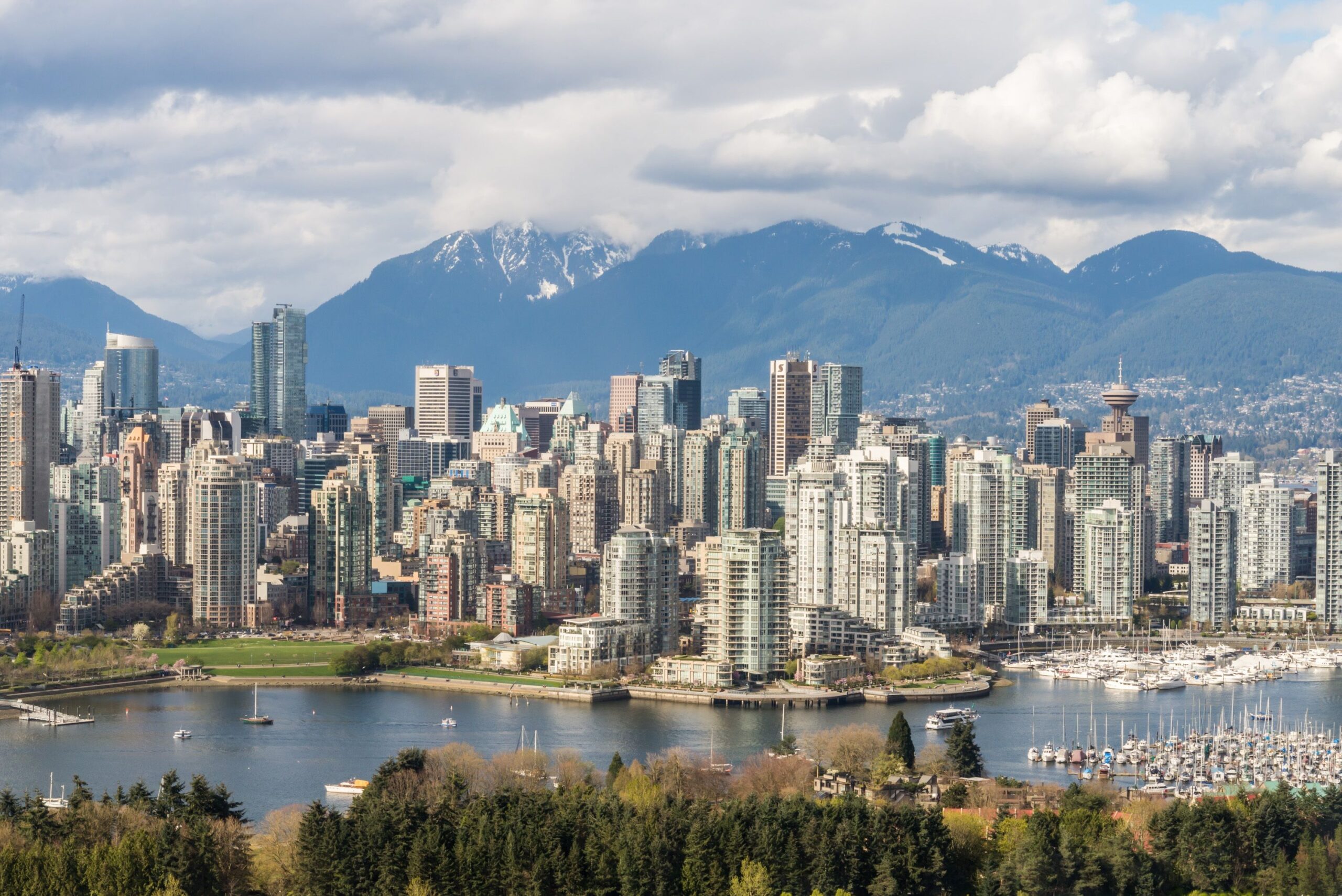
Wanna generic American downtown? Vancouver’s glass towers do just that. Looking for a dystopian future? Same towers, other colour grade. Looking for a Pacific Northwest forest, a mountain switchback or a moody beach at night? 20 minutes from the Hotel. Sometimes less.
There is no overarching visual identity of the city. Its secret weapon is that. With a bit of props and sufficient signs, Vancouver can be Seattle, San Francisco, Denver, even Tokyo. A blank canvas is a favorite of directors because it still has texture. Ratscape-strewn streets, neon reflections, misty evergreens — all is cinema.
Crews Who Don’t Need a Map
Over 70,000 people work in BC’s film and television industry. Gaffers, grips, set decorators, VFX artist, makeup leads. Some have been on set for 20 years and more. The crew is experienced and will be available for shooting on day one and a first-time director can arrive at YVR to find them. No babysitting required.
This depth is important if you’re shooting a 10 page a day streaming show that’s due for a tight turnaround. People can’t be trained on the spur of the moment. Vancouver has the bench. Showrunners return season after season, relying on the same faces and shorthand and making fewer mistakes, which is why.
The Infrastructure Advantage
There are no glitz and glamorous sound stages. However, without them, one rainy day can ruin an entire schedule. Vancouver boasts more than 2.5 million square feet of dedicated stage space, and new spaces are being constructed on an annual basis. Warehouses and abandoned mills, even abandoned big box stores become stages.
Most sets are within a 30-minute drive of post-production houses, prop and equipment rental shops. Tomorrow morning, a Victorian lamp or a spaceship console is required? It’s there, or can be made in a single night. That’s the logistical density that saves days. And days are dollars on a film set.
The Quiet Tech Revolution
Modern productions use more than cameras and cables. Nowadays, remote editing, cloud-based dailies and virtual location scouts have become part of the routine. However, across time zone coordination is a quiet evil. A director in London, a producer in Los Angeles and a line producer in Vancouver all see the same set photo at the same time. Email threads fail. Video calls scheduled are serious.
Distance has always been a problem, but now it’s becoming less of a concern. Anyone can open a CallMeChat community and arrange a video call with someone specific or simply chat with a stranger. No restrictions or requirements, just a video call at any time of day.
Government That Actually Wants You
A few cities are content with film crews. Vancouver’s red carpet.Vancouver’s red carpet is rolled out. Permits process quickly. Police help with traffic control. The provincial film commission responds to emails in hours, not weeks. They understand that the producer loses money when they wait for an answer, so they don’t wait.
This attitude trickles down to the people who live in the area. Yes, a street may be closed for one day. You may find yourself flying on a wing and praying. However, people here know that coffee shops survive because of money.One of the reasons, however, people here know that money pays mortgages. Complaints are rare. That social licence is more valuable than any tax credit—less angry neighbours, quicker re-shoots.
The Lifestyle Hook
The cast and crew have to be on location for six months or so. The city is a place prone to mutiny when it is miserable. Vancouver doesn’t have that problem. You can hike a mountain on a day when you don’t have to get to work at 6 am, ski a mountain on a day when you don’t have to get to work at 9 am, eat sushi at midnight on a day off, and make your 6 am pick-up without hating your life.
The climate is also a factor. Mild means that for Canadian outdoor scenes, the most of the year can be shot. No Toronto or Montreal deep freeze here. Rain is real, sure. But it works — many directors don’t fight it — but it’s used as an element of atmosphere as rain. Add a hoodie and it’s a better scene.
The Future Stays Bright
Content is important with streaming platforms, and they must have it continually. That pressure will be unavailable. But it’s getting worse, at least. For those studio executives willing to take a chance, Vancouver is a sure bet due to its pipeline of skilled workers, growing stage space, and consistent incentives.
The city is not going to take the place of Los Angeles or New York. It doesn’t need to. Vancouver has become the dependable, adaptable and affordable production partner for shows from around the world. As long as that lasts the trucks will continue to pour in, the crews will continue to turn up and the cameras will keep rolling.