


Before calling Mommy a film about Xavier Dolan’s style, watch what happens between Diane “Die” Després, her teenage son Steve, and their neighbour Kyla. The 2014 drama keeps changing depending on which member of this trio holds control. A second viewing makes those shifts easier to see. Focus on who calms a scene, who raises the risk, and who creates space for another person to act differently from the start.
Start With the Facts That Define Mommy
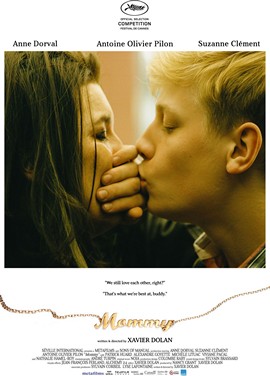
In Canadian Cinema, Dolan equates a family crisis with an equally exact visual form, and he finds the strength of his mommy in being accurate. The film will be 139 minutes long and feature Anne Dorval, Antoine Olivier Pilon and Suzanne Clément in the roles.The film is written and directed by Xavier Dolan and will be 139 minutes long. IMDb calls Diane a “widowed single mom” and Kyla “the mysterious neighbour” that comes into their home.
The story begins when Steve is sent out of a juvenile home and Diane brings him home. BFI’s diagnosis is that Steve is a violent teenager with ADHD. The movie also went on to win the Jury Prize at the 2014 Cannes Film Festival alongside Jean-Luc Godard’s Goodbye to Language. Mommy was also Canada’s entry for the Academy Award for Best Foreign Language Film.
Diane Després: Read the Mother Separately From Her Son
Diane is easiest to misread when every choice she makes is judged only through Steve. Watch her separately. Anne Dorval plays a fun-loving, forceful mother who is quick to fight back, yet her main problem is practical: she must care for a son whose behaviour can become dangerous. Steve’s return places work, money, safety and education inside the same daily struggle.
On a rewatch, follow Diane’s decisions before studying Steve’s reactions. She has a lot of confidence that can fill a room, but a different kind of confidence than control. One of the reasons for this is that some of her later selections are painful, but not at odds with what the film has already demonstrated.
Steve Després: Separate His Charm From His Dangerous Behaviour
Steve can be charming, affectionate and energetic, but the film never lets those qualities cancel the danger he can create. IMDb’s plot summary states that he has ADHD with violent tendencies and returns from an institution after starting a fire that injured another young person. Those facts set the stakes before the warmer domestic scenes begin.
When rewatching, note what happens just before Steve changes mood. Also watch how he treats Diane differently from Kyla. His bond with his mother carries years of love and conflict; Kyla arrives without that history. The contrast reveals more than simply labelling Steve “troubled” ever could.
Kyla: Work Out What the Film Tells Us – and What It Deliberately Leaves Open
Kyla is the least openly explained member of the trio, which makes careful viewing important. IMDb identifies her as a high-school teacher on sabbatical and notes that she struggles with a stutter. She becomes Steve’s tutor after entering Diane’s life as a neighbour. The film gives viewers pieces of her situation rather than a full verbal explanation of every problem she faces.
That gap is not permission to invent a diagnosis or hidden motive. Watch what Kyla actually does: when she speaks with ease, when speech becomes harder, when she observes, and when she sets a limit. Her growing place beside Diane and Steve is shown through action rather than a long explanation.
The Three Relationships: Diane–Steve, Diane–Kyla and Steve–Kyla
The film’s central structure becomes clearer if the three relationships are kept separate. Diane and Steve share love, dependence and repeated conflict. Diane and Kyla develop an adult friendship that gives Diane company outside the mother–son struggle. Steve and Kyla form a different bond through tutoring, where Kyla can set limits without carrying Diane’s parental history.
Then look at the trio together. Kyla does not simply “fix” the household. Her presence changes its balance. Some scenes become lighter because each person can offer something the other two cannot. That temporary stability matters precisely because the film never presents Kyla’s arrival as a guaranteed cure for Steve’s behaviour or Diane’s problems.
The 1:1 Frame: Dolan Makes the Characters Fill Almost the Entire Screen
Most of Mommy uses a 1:1 aspect ratio: the image is almost perfectly square. BFI identifies this narrow format as one of Dolan’s defining formal choices, noting that most of the film stays inside the cramped square while only briefly moving into widescreen.
On a rewatch, don’t treat the frame as decoration. Watch how much room surrounds Diane, Steve or Kyla, who occupies the centre, and when the image feels restrictive. Pay special attention when the screen opens wider. The change is easy to notice because Dolan has trained the viewer to expect the square. Here, screen space becomes part of how the film communicates freedom, pressure and emotional release.
Summary
Mommy works best as a three-character study, not a simple portrait of a difficult son or a heroic mother. Diane carries parental responsibility, Steve creates much of the immediate risk, and Kyla changes what becomes possible between them. Dolan’s square frame keeps that pressure visible. Rewatching with those four elements separated – Diane, Steve, Kyla and visual form – gives you a stronger basis for discussing what the film actually shows rather than relying on broad claims about Dolan’s style.