

For over a century, cinema has been defined by the horizontal frame. On mobile devices, however, the default orientation is vertical, and that shift in viewing habits is gradually influencing how some independent creators think about storytelling.
A growing number of filmmakers are experimenting with the 9:16 aspect ratio not as a limitation, but as a deliberate creative choice, designing stories specifically for portrait-mode viewing and mobile-first audiences.
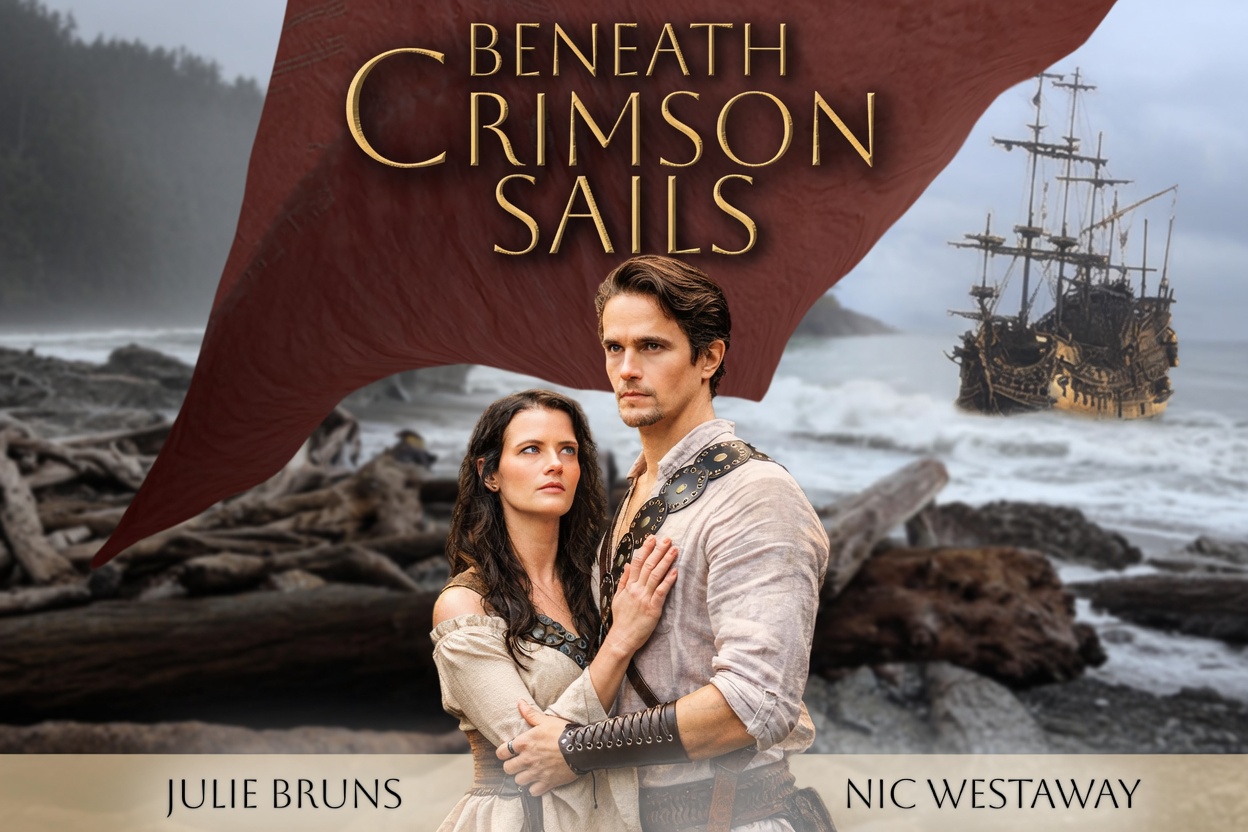
One example of this trend is Beneath Crimson Sails, a pirate-themed vertical micro-drama that was presented in a special theatrical screening at Vancouver’s Rio Theatre on May 25, 2026. The project was filmed in British Columbia and designed primarily for vertical viewing, later presented in a compiled format for cinema audiences.
What is Beneath Crimson Sails?
Beneath Crimson Sails is a vertical micro-drama series centered on a swashbuckling pirate adventure involving treasure maps, rival factions, romance, revenge, and survival at sea.
According to official event materials, the story follows a protagonist named Catherine, who is drawn into a dangerous search for a missing piece of a cursed treasure map while confronting figures tied to her past. A charismatic pirate captain becomes a key figure in her journey, leading to shifting alliances and escalating conflict.
The series blends action, romance, and fantasy elements in a style reminiscent of classic pirate storytelling, but it is distinguished by its native vertical (9:16) production approach, designed from the outset for mobile-first viewing rather than being adapted from widescreen footage.
Vertical-First Production Approach
Unlike traditional productions that are later reformatted for mobile screens, Beneath Crimson Sails was developed specifically for vertical composition.
This approach emphasizes certain recurring techniques common in vertical filmmaking:
- Tightly framed character work that prioritizes facial expression and performance
- Vertical staging of action within a narrow frame
- Use of layered depth (foreground, midground, background) rather than wide spatial geography
- Movement and reveals structured along a vertical axis
Production took place in British Columbia, making use of regional coastal and maritime environments. The project was designed as an independent, genre-driven experiment in adapting cinematic storytelling techniques to a mobile-native format.
Format and Structure
The work exists in a short-form episodic structure optimized for mobile viewing.
Event materials describe the screening version as a compiled presentation with a runtime of approximately 95 minutes, assembled from shorter episodic segments intended for digital platforms.
This hybrid structure, episodic mobile content reconfigured for theatrical exhibition, reflects a broader trend in independent digital storytelling, where projects are designed to function both as short-form releases and as longer narrative experiences when presented in curated settings.
Production Context
Vertical filmmaking requires adjustments to traditional production methods, particularly in areas such as composition, blocking, and choreography.
In this format, filmmakers typically prioritize:
- Clear framing within a constrained horizontal space
- Action staged for vertical readability
- Camera movement oriented around tilt and vertical reveal rather than lateral pans
- Increased emphasis on close-ups and intimate character dynamics
These constraints often lead to a more compressed visual geography, where narrative clarity depends heavily on layering and performance rather than expansive environments.
Cast and Crew
Beneath Crimson Sails is supported by a large ensemble of filmmakers and performers working across direction, production, and technical departments.
Directors
- Rob Hunt (co-director, segments “episodes 27–33”)
- Steven Kammerer (director)
- David Scott Titus (co-director, segments “episodes 1–9, 18–22”)
- Nic Westaway (co-director)
Writer
- Julie Bruns
Producers
- David Aboussafy (executive producer)
- Carin Smolinski (co-executive producer)
- Julie Bruns (producer)
- Steven Kammerer (producer)
- Stephen Fallis (producer)
- Rob Hunt (producer)
- Major Major (producer)
- David Scott Titus (producer)
Cast
- Nic Westaway as Rob
- Julie Bruns as Catherine
- Lyra Stern as Belle
- Steven Kammerer as Silas
- Reg Rozee as Floron
- Carin Smolinski as Jenny
- Gavin LeClaire as Captain Steele
- Deniz Sinaki as The Undine
- Arabella Bushnell as Bar Owner
- David Aboussafy as Drunken Man / Man in Pillary
- Adrian Neblett as Barnaby
- Rosie Wozniewski (as Rosie Wazniewski) as Young Catherine
- Randi-Lee Leonard as Marion LaSlap
- Stardust Macpherson as Young Rob
- Brian Kazun as Bandit Randall
- Lucas Pearson as Bandit Thom
- Ross Smith as Sloane, The Unsavory Man
Key Crew Highlights
- William Graney (composer)
- Grace Loeppky (director of photography)
- Brian Clement (editor)
- Samantha Chick / Major Major (production design)
- Logan Victoria (makeup department head)
- Sharai Rewels (intimacy coordinator)
- Bailey Vose (gaffer)
- Ryan Moss (visual effects / B camera operator)
(Full technical crew spans camera, sound, stunts, art, and production departments across a large collaborative team.)
Vertical Storytelling in Vancouver
Vancouver has long been a major production hub for film and television, and it is increasingly a location where independent creators are experimenting with emerging formats, including mobile-first vertical storytelling.
While vertical video originally emerged from social media platforms and short-form ecosystems, projects like Beneath Crimson Sails reflect an attempt to apply more structured cinematic techniques to the format.
Rather than replacing traditional widescreen cinema, vertical storytelling exists alongside it as a parallel mode of production shaped by different viewing contexts, distribution systems, and audience behaviors.
The Rio Theatre Screening
On May 25, 2026, Beneath Crimson Sails was presented at Vancouver’s Rio Theatre as a special event screening.
The presentation was part of a themed theatrical experience that included audience engagement elements such as a pirate-inspired atmosphere and live participation components, as described in event listings.
Projecting vertical 9:16 content onto a traditional cinema screen created a distinctive visual presentation, with the image centered vertically and framed by black space on either side. This contrast highlighted the difference between mobile-native viewing and theatrical exhibition, while still preserving the vertical composition of the work.
The screening functioned as a hybrid event, part film presentation, part live community experience, reflecting ongoing experimentation in how digital-native content can be adapted for collective viewing environments.
Distribution and Mobile-First Context
Beneath Crimson Sails is positioned within a broader ecosystem of vertical micro-drama content designed for mobile-first distribution.
The work is intended for episodic release across digital platforms, with alternative presentations assembled for special screenings and curated events.
This flexible distribution model is increasingly common in short-form storytelling ecosystems, where projects may exist simultaneously as serialized mobile content and as longer-form compilations for festivals or theatrical showcases.
Is Vertical Cinema Developing Its Own Language?
Vertical filmmaking introduces structural constraints that influence how stories are composed and experienced.
These include:
- Reduced horizontal space and increased emphasis on vertical depth
- Strong reliance on close framing and performance
- Narrative pacing adapted to mobile attention patterns
- Visual composition built around stacked spatial relationships
Whether this constitutes a distinct “cinematic language” or simply an adaptation of existing techniques to a new format remains an open question.
What is clear is that creators working in vertical formats are developing consistent approaches to composition and storytelling that differ meaningfully from traditional widescreen conventions.
Wrapping Up
Beneath Crimson Sails reflects a broader trend of independent creators exploring vertical production within Vancouver’s active film ecosystem.
As both a mobile-native episodic work and a theatrical presentation, it sits at the intersection of platform-driven storytelling and traditional exhibition formats.
Vertical storytelling remains an evolving practice. Its long-term role in moving-image culture will depend on continued experimentation, audience reception, and how effectively creators can adapt narrative techniques to new viewing environments.
For now, it remains one of several parallel approaches to visual storytelling, shaped as much by technology and platforms as by cinematic tradition.