




Delivering a baby is not an easy task. I wouldn’t know myself, but I can imagine it being a lot of work. It requires someone who can take on the birthing process no matter what the outcome of a birth may be. It requires a midwife, and those are high in demand no matter what the geographic location. But there aren’t enough of them around the world. Another problem is… who wants to be a midwife? When you think about all the complications and how hard a job it is, is it worth it? This documentary may have gotten some converts, I certainly hope so. I had to talk to Nance Ackerman about her work on this movie and her work in childbirth since she had some experience.
The Delivery Line shows even though childbirth can be both tough and rewarding, a lot of global issues in other countries make it even tougher. Nance told me how it was also challenging for her to get this documentary made. We had quite the discussion where I delivered the tough and she delivered the thorough answers. The result is this article:
HNMAG: What drew you to this topic of global maternal healthcare, and how did you become aware of the challenges faced by midwives around the world?
Nance Ackerman: Well, I had both of my babies at home with midwives, and I had read a book called Birth Reborn way back then. I just decided when I looked at the room I was supposed to give birth in before I decided to go with midwives. It just felt wrong and not the way I wanted to bring my baby into the world. I had midwives and I had some complications at first. I had premature labour and I think the midwife was the reason my baby came out healthy and happy. I just believed in the empowerment of women and the non-intervention for healthy birth obviously if there’s complications with hospitals. I felt that this was the best way for me personally and the respect and friendship and loving and nuturing experience it was, I wanted to do something about midwifery but I think what really put it together for me for the film was I’ve been a photojournalist for 35 years, more than that probably now. Covering the hard news, the wars, conflict zones, and poverty and drug addiciton. All these things, I’ve been covering it and realizing that most of the media out there even including my own, it was involving male editors, and coming from a very male perspective. I wanted to look at these global issues: Climate change, and migration and all these issues people are facing that we’re somehow managing to tune out most of the time. I thought we’d do it with a female lens and hope people would experience these inspiring women.
HNMAG: You’ve also wtinessed the birthing process in both hospitals and houses. Did you also see it before the documentary was made?
Nance Ackerman: Yeah, I was basically a birthing coach and a doula for several of my friends. I helped a lot of women give birth at home and in hospital and had seen a lot of it. During the course of the film, we had basically gone many many years into the filming process and hadn’t actually witnessed or filmed a birth, so heading to Nigeria towards the end of the project and catching that birth and the strength and urgent need of midwifery care was really lovely.
HNMAG: And do you still work in that field of birthing?
Nance Ackerman: Well, I don’t have my certification anymore. I have to get recertified, but I basically help just like a birthing coach. I help my daughter but I live in rural Nova Scotia so not a lot of opportunity to do it anymore.
HNMAG: Seeing how it’s a touchy subject, especially with death, did you find it tough to film this at times?
Nance Ackerman: Yeah, I mean I found the film more difficult to film than than a lot of my other films. They’re all cult in a way when you’re dealing with subject matter that’s emotional and nothing’s more emotional than a birth. It was scary in the film when Ayesha was starting to hemmorhage but it always affects you. But I think because the midwives themselves are so strong, it’s not really my place to be affected by it. They are so strong and so admirable and inspirational I just really became swept up in their strength.
HNMAG: Were there any particular stories and facts you couldn’t include in the whole thing?
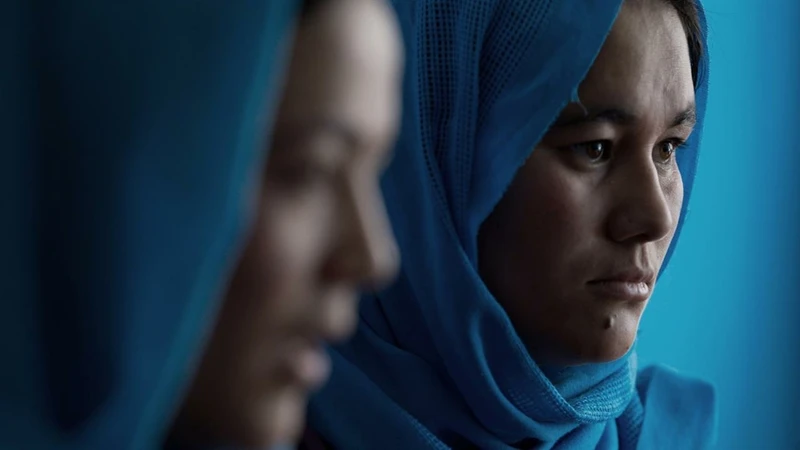
Nance Ackerman: Yes, but I kind of have to watch it because we can’t really talk about it. There’s parts of the Afghan story that we couldn’t include. Our subject’s last name or location to keep her safe. There are also parts of her story I felt wouldn’t have fit in because now in Afghanistan they have banned midwifery education. It’s illegal so it’s a very risky for women. Because of the Taliban takeover and restrictions on women’s lives. We had to leave that out and it was recommended by my Afghan co-writer and my producer and myself and our broadcaster at TVO.
HNMAG: What about some of the advantages of filming this?
Nance Ackerman: First of all you do get to see hope in a lot of places where there isn’t a lot of hope. I used to see someone in Nigeria and her home was cozy and lovely and she was breastfeeding her healthy baby and that kind of makes it worthwhile. Afghanistan is one of the most beautiful countries on the planet, and I was lucky to be in one of the most beautiful places. I think everywhere you go just meeting these women dong this work definitely feeds you and makes it worthwhile. I’m very much into natural remedies and I do a lot of homeopathics and to have fun with Maria when she’s mixing up her tomaeca and other remedies which has been done for thousands of years. She was hilairous, just a wonderful woman to sit and talk with and watch her hop on her motorcycle and take off into these gang controlled barios. There was plenty of time to enjoy these woman’s company.
HNMAG: This documentary is premiering at Canadian International Documentary Festival, and gets a digital premiere on TVO early next year. But will it be going to other festivals as well?
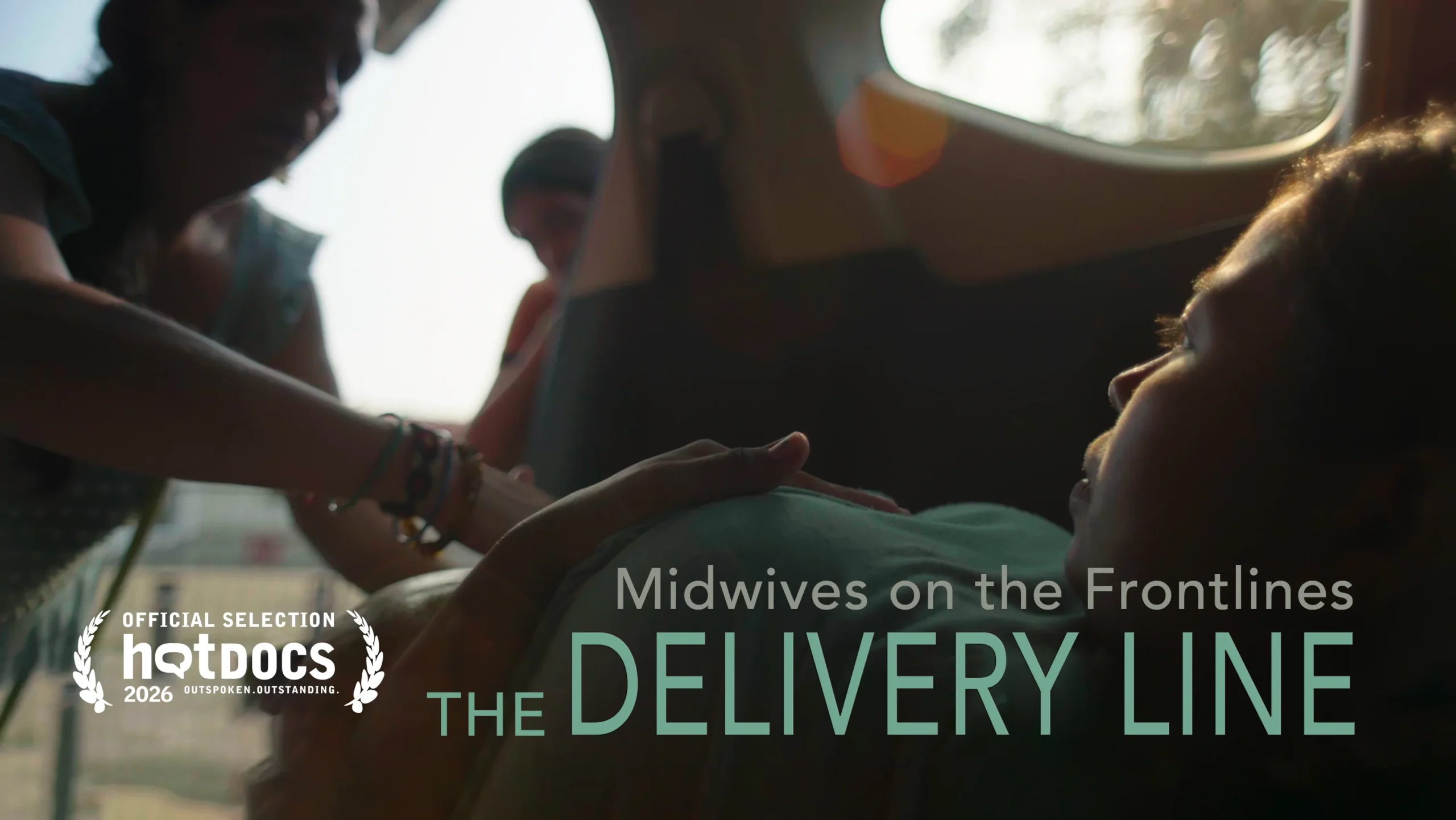
Nance Ackerman: Yeah, we’ve already been accepted into a couple festivals and invited to submit to a lot of festivals so we’re going to some festivals in Canada and the US. And we’re going to have a theatrical run, so there will be a release in theatres across the country very soon once we finish the festival run before it goes to broadcast. Audiences will definitely see it and we hope it comes to Vancouver and Montreal and Halifax.
HNMAG: There was a lot of traveling as well. Was there somewhere you wanted to visit but couldn’t?
Nance Ackerman: Well, I wanted to go back to Afghanistan the last time, the footage at the end of the film in the deep snow of the winter had Afghan crew who risked their lives going up there. We applied at the Taliban, we emailed them back and forth to get me back in there but allowing a woman to come film women about childbirth was not going to happen. It was a long shot, so obviously they refused our entry, wouldn’t allow us back in and our film crew had to go in by themselves and pretend to be working on something else. They had to leave extremely quickly, they could only shoot for one day because word got to the Taliban.
Nance told me how her cinemtographer was brutally assaulted while on a shoot for something else and how Afghanistan has a problem with the media. I’ve dealt with that myself, but lucikly nothing as serious especially since all my work in media has been here.
HNMAG: It took over 8 years to make. Did you run into other big issues that caused delays?
Nance Ackerman: A lot of it was trying to get into certain places, getting into Northern Nigeria took us two years of negotiating with an NGO. Colombia was a bit easier because we had a very very good fixer. But then again we have to deal with weather, the pouring rain and the heat and the gangs. Y’know, you go in there with cameras and have to basically get permissions from the gangs. It’s a challenge and a lot of travel, 14 hour flights and a lot of crazy airports, then the 4 hour drives with roads where you keep smashing your head up against the ceiling of the land rover. There were a lot of challenges but it was still such an honour to be a part of it.
HNMAG: You mentioned covering other touchy subjects before. How did those other experiences go compared to this?
Nance Ackerman: Well, I’ve been making documentary films for 20 years now, so I did a film called 4 feet up about child poverty. A big collaboration with women in prison, my first film was on the Oxycontin crisis in Cape Breton with addicted people who were left behind. I’ve got a lot of films on certain subjects that were made in Canada, but my years in photojournalism, I covered the war on Lebanon in the 80’s and I was in the barios in Brazil, and the dumps in India. I’ve covered a lot of very important and sad topics around the world.
HNMAG: You also have experience editing and making soundtrack for your films too.
Nance Ackerman: Yeah, well I usually direct and shoot my films and ended up editing most of them except for my first one. I usually do the music and I did collaborate with Bridget Dasher who is an amazing composer to work with in this film. Usually I do my own musical scores, but we wanted to have a real exotic kind of sound that sort of touched on Eastern-European sounds and she was just amazing. When you’ve got these smaller budgets, and extreme locations you have to be a Jack-of-all-trades. Or a Jill-of-all-trades.
HNMAG: All that directing, producing, and filming, Where did you learn to do so much in skill?
Nance Ackerman: You just learn to teach yourself. Well, the soundtrack, my husband’s a composer so we worked together. I taught myself how to edit and how to shoot, I never took a day of schooling in my life about filming or photography for that matter. I started at the top when I was a photojournalist at Globe and Mail. (laughs) It was a different time but sort of really, school of hard knocks and learning on the job and having a lot of amazing mentors. People that taught me so much: Filmmaker Gail Harvey, she was a huge help.
HNMAG: Do you feel that the job of a midwife needs more people to do it? And if so, how does one get into it despite all the problematic things that could happen?
Nance Ackerman: Well, the thing is, if you look at birth as a healthy normal process, and if you have complications or problems, you get transferred to a hospital like you would for anything. It’s sort of a very different way of looking at birth as a process that you don’t need intervention, you’re having a baby. So I sort of don’t look at it as a high risk situation, and even life and death it feels more like a natural beautiful process that a woman’s body is built to do. If there are complications, then you get help, it could be life and death, but you’ve got a different situation in a hospital and we’re lucky to have that access. But the thing is the National Confederation of midwives is now saying that we need a million more midwives on the planet to stop women from dying. a Woman dies every two minutes from childbirth in thie world. There aren’t a lot of schools in Canada, so TMU and UBC has a midwifery program, Calgary as well, but all very heavily associated with the hospital system. Very medicalized and very basically you’re becoming a doctor. So I think it’s many years of education, it’s tough. I think they tell you in the first year of midwifery it’s like traffic controllers and emergency workers that it’s the most stressful which is unfortunate because I think it scares people off like you say. The responsibilities and the risks that are drilled into people. Not a lot people get into it, it’s tough and takes a lot of years. But there are other ways to do it, a lot of people in Mexico, you can learn to be an assistant and in the US, it’s probably an easier process but expensive so it is challenging and to get a million more midwives into the system is going to be a big challenge.
HNMAG: What do you hope audience will take away from it all?
Nance Ackerman: I just want them to be in awe of the work these women do. They feel the need to support these women, we have an impact page on our website and if they feel the need to help the midwives working, I’d love them to take away the fact that midwives and other women have the power to create a situation at birth that could change the lives of babies because of the nuturing and loving and the respectful way of being born.
I feel like I could support these women because I’m certainly in awe with how things are going. So, much respect to these wonderful women for the way they work, and more respect to Nance for all that she’s done in showcasing these stories. I can’t wait to see what she covers next.