


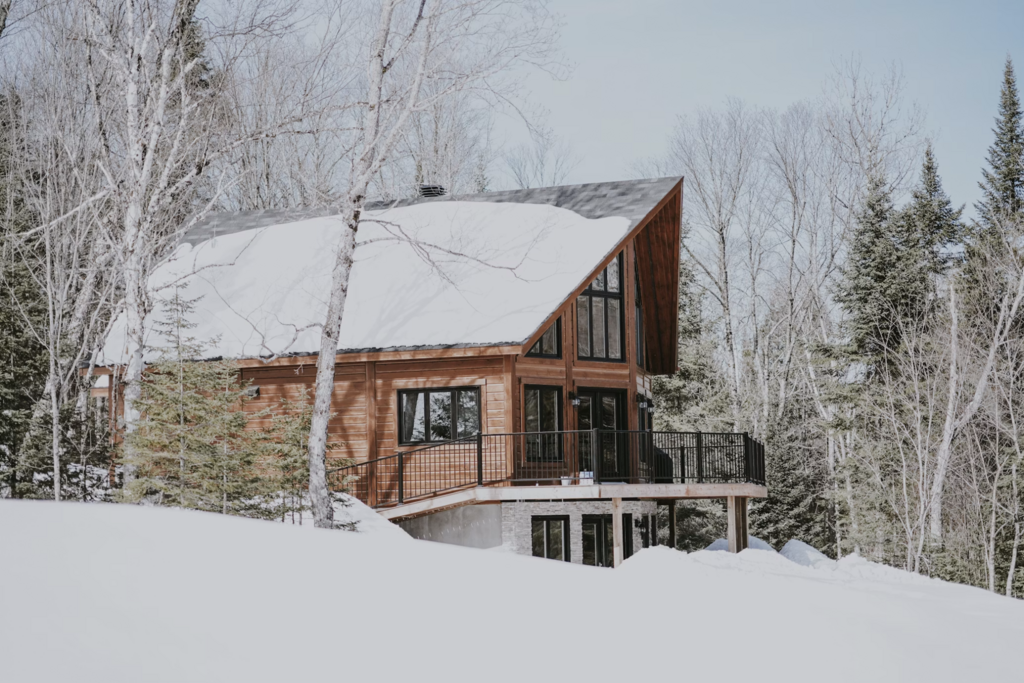
Canadian winters don’t have to mean retreating indoors. Picture this: snowflakes drifting down while you’re settled comfortably in your backyard, watching a film projected against the crisp night air. What makes this possible isn’t just determination—it’s the right equipment. Heated outdoor mats have quietly revolutionized how Canadians use their exterior spaces during the coldest months, turning patios and walkways into functional, comfortable zones even when temperatures plummet.
These mats do more than provide warmth. They address a fundamental challenge of Canadian winters: maintaining safe, accessible outdoor areas without constant shoveling or the hazards of ice accumulation. For anyone who’s considered hosting outdoor gatherings in January or simply wants to reclaim their deck space year-round, understanding how heated mats work—and which types suit different applications—makes all the difference.
Why Heated Mats Matter Beyond Comfort
The appeal of heated mats extends well beyond keeping your feet warm during a movie night. These systems serve critical safety and practical functions that become especially apparent during harsh winter conditions.
- Injury Prevention: Slip-and-fall accidents spike during winter months. Heated mats eliminate ice formation on stairs, walkways, and entryways—the exact spots where most injuries occur. Snow melting systems have become standard in commercial settings for this reason, and residential applications follow the same logic.
- Accessibility: Maintaining clear pathways isn’t just convenient—it’s essential for anyone with mobility challenges, elderly family members, or young children. Heated mats provide consistent, reliable access without manual labor.
- Property Protection: Constant freeze-thaw cycles damage concrete and stone surfaces. By maintaining above-freezing temperatures, these mats reduce the structural wear that shortens the lifespan of driveways and walkways.
- Extended Usability: Outdoor spaces that would otherwise sit dormant for five months become viable gathering areas. Whether for entertaining, exercise, or simply enjoying fresh air, heated surfaces expand how you use your property.
The technology has matured considerably. Modern systems incorporate energy-efficient heating elements that deliver targeted warmth without the excessive power consumption of earlier models, making them practical for regular use rather than emergency deployment.
Matching Mat Types to Your Needs
Not all heated mats serve the same purpose. The Canadian market offers specialized options designed for specific applications, each with distinct characteristics:
- Stair Mats: Staircases present the highest fall risk during winter. These mats fit standard step dimensions and prevent ice buildup on treads, maintaining traction where it matters most.
- Walkway Pads: Designed for pathways between structures—from garage to house, or driveway to front door—these create safe corridors through your property. They’re typically modular, allowing you to cover the exact distance needed.
- Sidewalk Heating Mats: Larger format mats suited to broader surfaces. Municipal bylaws in many Canadian cities require property owners to keep sidewalks clear; these mats handle that obligation automatically.
- Entrance Mats: Positioned at doorways, these prevent snow and ice accumulation in high-traffic zones while also reducing the amount of moisture tracked indoors.
- Driveway Systems: The most substantial investment, these cover vehicle paths and parking areas. They’re particularly valuable for sloped driveways where ice creates genuine hazards.
Selecting the right type depends on your specific layout and priorities. A home with extensive stone pathways has different requirements than a condo with a single entrance and small patio. The key is identifying which areas see the most use—or present the greatest risk—during winter months.
Installation and Energy Considerations
One common misconception about heated mats is that they’re energy hogs. While older systems certainly consumed significant power, contemporary designs have improved dramatically. Research into localized floor heating demonstrates that targeted heating—warming only the surfaces people actually use—requires far less energy than heating entire spaces or relying on ambient outdoor heaters.
Installation complexity varies by system type. Portable mats simply unroll and plug in, making them ideal for renters or those wanting flexibility. Permanent installations require more planning:
- Surface preparation matters. The substrate must be level, clean, and properly drained to prevent water pooling beneath the mat.
- Electrical requirements vary. Some systems run on standard 120V outlets; larger installations may need dedicated 240V circuits.
- Sensor placement affects efficiency. Automatic systems that activate based on temperature and moisture conditions use less power than manual operation.
- Professional installation makes sense for permanent systems, particularly those integrated into new construction or major renovations.
For those tackling installation themselves, proper planning and surface preparation prevent most common issues. The investment in doing it right the first time pays off in system longevity and performance.
Creating an Outdoor Winter Theater
The practical benefits of heated mats—safety, accessibility, property protection—are straightforward. But there’s something genuinely appealing about reclaiming outdoor space for leisure during months when most Canadians barely use their backyards.
Setting up an outdoor winter cinema requires more than just a projector and screen. Comfort determines whether guests stay for the whole film or make excuses to head inside. Heated walkway mats create warm zones where people can stand or place seating without the cold seeping through. Combined with proper wind protection and warm beverages, the experience becomes memorable rather than merely tolerable.
The setup doesn’t need to be elaborate. A simple arrangement might include:
- Heated mats defining the viewing area and pathways to and from the house
- Outdoor-rated projection equipment (or a large weatherproof screen for streaming)
- Insulated seating—camp chairs with thick cushions work surprisingly well
- Ambient lighting that doesn’t interfere with screen visibility
- A fire pit or patio heater for supplemental warmth
The heated mats handle the foundation—literally. They ensure that the ground beneath your feet stays dry and warm, which makes a remarkable difference in overall comfort. Without that base layer of warmth, even the best outdoor heaters struggle to keep people comfortable for extended periods.
Choosing Quality Systems
The heated mat market includes everything from basic rubber mats to sophisticated integrated systems. Quality varies considerably, and the cheapest options often prove expensive in the long run through high energy costs or premature failure.
When evaluating options, consider durability ratings for Canadian winters—systems designed for milder climates may not withstand repeated freeze-thaw cycles. Look for mats with even heat distribution; hot spots waste energy and can damage the mat itself. Automatic controls add convenience and reduce operating costs by running the system only when conditions require it.
For property owners prepared to invest in a long-term winter safety solution, specialized heated mat systems engineered for Canadian climates can provide levels of reliability and performance that many generic alternatives struggle to deliver. Manufacturers such as KEMF design products specifically for demanding cold-weather conditions, where durability and efficiency are critical. Comparable companies like HeatTrak and WarmlyYours also offer heated mat and snow-melting systems designed to improve winter safety while delivering long-term value through energy efficiency and extended service life.
Making Winter Work for You
Canadian winters last too long to spend them entirely indoors. Heated outdoor mats represent a practical investment in year-round property usability—one that pays dividends in safety, convenience, and the simple pleasure of using your outdoor spaces regardless of season.
Whether your priority is eliminating the constant battle with ice on your front steps, creating a safe path for elderly parents, or hosting that winter movie night you’ve been imagining, the right heated mat system makes it feasible. The technology has matured to the point where these systems are genuinely practical rather than luxury novelties.
Start by identifying your highest-priority areas—the walkways you use daily, the stairs that worry you each winter, the patio space you’d love to reclaim. Match those needs to the appropriate mat type, factor in installation requirements and operating costs, and choose systems built to handle real Canadian winter conditions. Done right, it’s an investment that transforms how you experience the coldest months of the year.