


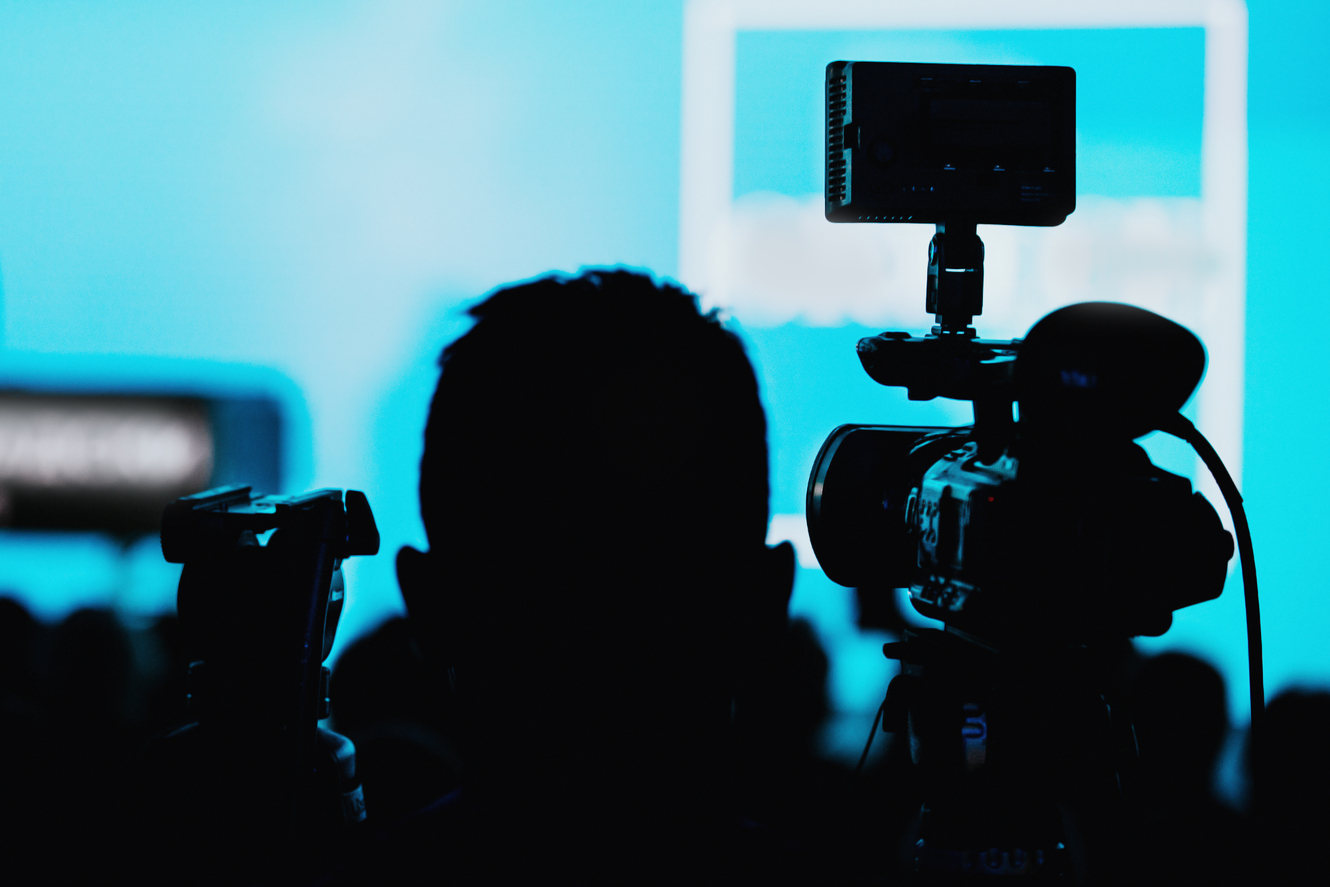
When a director flies in from Seoul or Dakar to premiere a film at a Canadian festival, the screening is rarely the hard part. Films travel well. Subtitles carry the story across the room, the lights go down, and for ninety minutes language stops being an obstacle. The pressure arrives afterward, in the Q&A, when a moderator asks a question in English and three hundred people lean forward to hear what the filmmaker says back in a language most of them do not speak.
That moment, repeated across press conferences, panels, and audience talkbacks, is where Canadian film festivals quietly become language operations as much as cultural ones.
A festival calendar that runs in many languages
Canada hosts an unusually dense festival calendar for its population. The Toronto International Film Festival draws filmmakers and press from around the world every September. Hot Docs brings documentary makers to Toronto each spring, often from regions where neither English nor French is anyone’s first language. The Vancouver International Film Festival leans heavily on Asian and Pacific cinema. The Quebec circuit, from the Festival du Nouveau Cinéma to Fantasia, runs on a bilingual footing where French and English share the same room by default. Layer in the Indigenous-language programming that more festivals now build into their slates, and the number of rooms needing real-time language support on any given festival day climbs quickly.
What simultaneous interpretation actually involves
The solution most festivals reach for is simultaneous interpretation, the same approach used at the United Nations and at international summits. A pair of interpreters sits inside a sound-insulated booth at the back of the room. They listen to the speaker through headphones and render the speech into the target language with a delay of only a few seconds, working in pairs because the cognitive load is too high to sustain alone for more than twenty or thirty minutes at a stretch. Their voice travels from the booth to a transmitter, and from there to small wireless receivers and headsets handed out to anyone in the audience who wants one. A festivalgoer turns a dial to the channel for their language and hears the filmmaker in near real time.
Each language in the room adds another layer to that setup. A bilingual French and English event needs one booth and one audio channel. A panel with a Korean director, a French moderator, and an English-speaking audience needs more booths, more interpreters, and more channels running at once, all kept separate so a listener on the Korean feed never bleeds into the French one. The booths, transmitters, control consoles, and interpreter microphones stay roughly constant whether forty people show up or four hundred. What scales with the crowd is the receiver and headset count, which is why a sold-out premiere and a small industry breakfast can call for very different equipment orders even when the languages match.
Subtitles and captions still do the on-screen work, handling the film itself and any recorded material. Live conversation needs the interpretation layer on top of that, because no one can subtitle a spontaneous answer to an audience question while it is being spoken.
Pulling it off inside a cinema
Running this inside a festival venue is its own production. Cinemas and rented halls are rarely built for it. Someone has to position the booth where interpreters can see the stage, run the wireless system so it does not clash with the venue’s own microphones and projection, distribute and collect hundreds of receivers across back-to-back sessions, and fix a dropped channel the moment it happens while a room full of press waits. Festivals that do not own this gear, which covers nearly all of them, bring in a provider who handles simultaneous interpretation equipment rental across Canada and sends technicians to set up, operate, and strike the system on site. The wireless systems run on either radio frequency or infrared, and the difference carries real weight in a film context, since infrared stays inside the walls of a single auditorium and will not leak between adjacent screens the way radio frequency can.
The economics tend to favour renting. The equipment costs a great deal to buy, dates quickly, and needs storage and maintenance between uses, none of which suits an organization that needs it intensely for ten days a year. Multi-day festival bookings also bring the per-day rate down, since the system stays installed across the run rather than being rebuilt every morning.
Why it matters for Canadian film
This infrastructure is part of what lets Canadian festivals punch above the country’s size. A filmmaker who can field questions from a Montreal audience in their own language, and be understood in return, is far more likely to come back, bring the next film, and tell peers abroad that the Canadian circuit is worth the trip. The interpretation booth at the back of the room almost never earns a line in the festival program. The conversations it makes possible are a real part of why those programs keep drawing the world to Canada.