


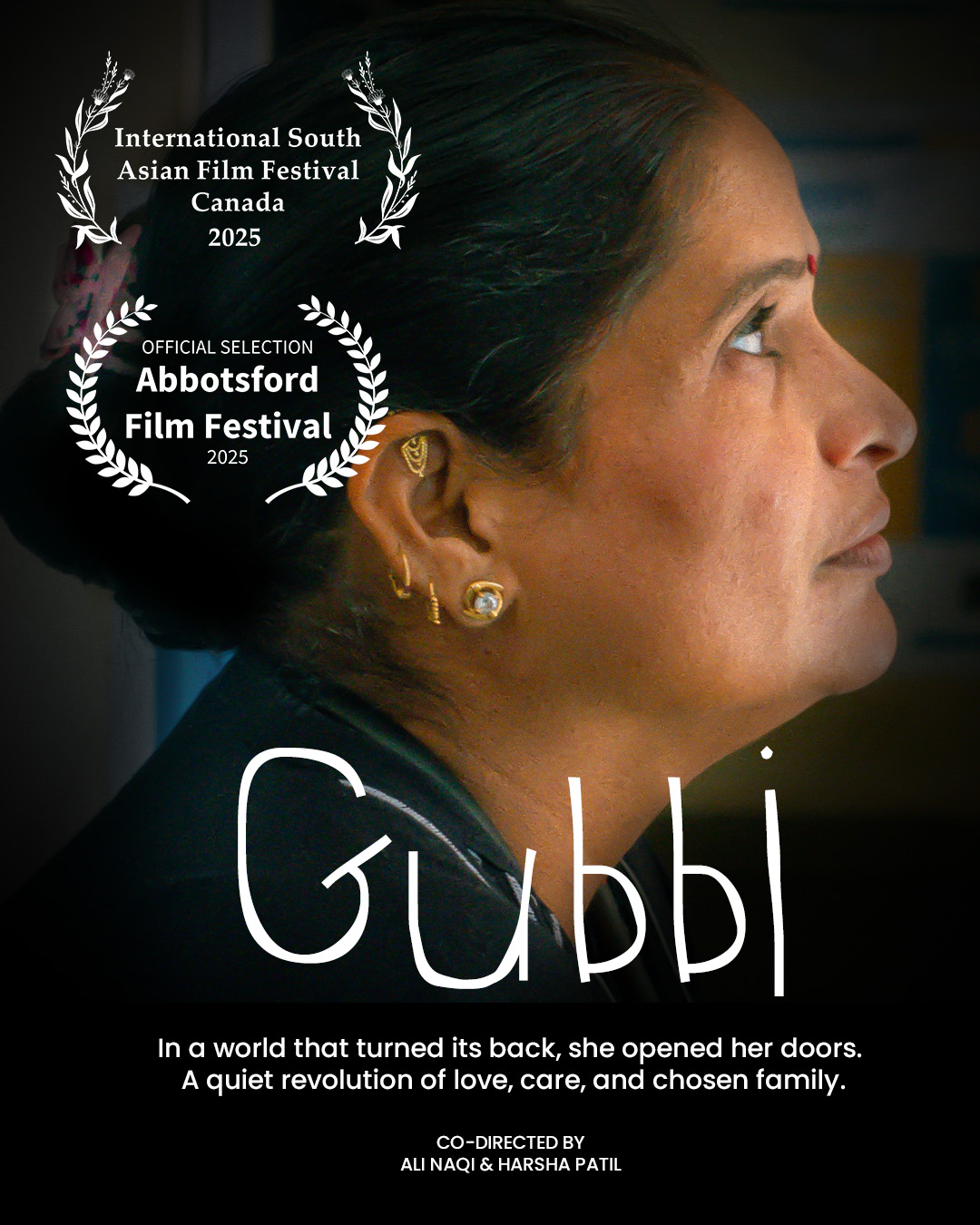
Last month, on April 10 was National Youth HIV & AIDS Awareness Day. A Canadian-produced documentary filmed in India premiered that day with the intention to raise awareness to this specific stigma about HIV and how it’s shunned in countries. But there are hope for those even if it is a very troublesome disease. A decade ago, a man named Mantesh who was HIV-positive got to be the subject of a documentary as he told his story of operating an orphanage for children who were living with or affected by HIV. It was such a great film that the filmmakers Ali Naqi and Harsha Patel returned to that orphange later on where they met Mantesh’s widow, Katsuri who takes care of all the children there. Even though she is HIV-positive like her late husband, Katsuri continues to push on helping raise all the children, and work as hard as she can maintaining the orphanage. It was a very interesting documentary to watch, and I decided I had to talk to Ali and learn about the process of the film being made.
HNMAG: So it’s my understanding that recently you made this short film about the subject of HIV and how people with HIV are helping each other. What was it like out there?
Ali Naqi: It was recorded direction, so my friend Harsha was on the ground while I was here in post doing the editing.
HNMAG: So how was it made?
Ali Naqi: The first short film we made in 2014, me and Harsha. We went to Catar, and that’s when we realized there was an HIV orphanage in India. She was an Indian citizen, so she went back to India that summer and we were looking to apply for a film festival called the Thailand Film Festival. From there we shot the first film and 10 years later I come back from working corporate and decided to start my own production company. That’s when I reached out to Harship saying I would like to revisit this orphanage and do a second short film.
HNMAG: There was a short film that starred someone you met named Mantesh. How did you find out about him?
Ali Naqi: Me and Harsha were living in a small town in the Middle East, and I was always doing film festivals for 2 years in a row. Harsha found the orphanage and then she told me this beautiful story and then I immediately said “Let’s do a film about it” and that’s when we learned about Mantesh and what he’s been trying to do at that time for these kids who were not able to go to school. They had barely any medication for their orphanage, and then that film went on to win Best Story at the Thailand Film Festival. From there, we just went our way. I immigrated to Canada, and there I was in marketing and branding for 10 years. After being in corporate for those 10 years, I decided to start my own production company, and that’s when we started Gubbi. Now with Gubbi, it has turned into a feature film.
HNMAG: I hear you got some research grants for that?
Ali Naqi: Telefilm, the Talent to Watch program. I’m part of that. As well as it got a grant from Canada Council, CALC.
HNMAG: What inspired you to make Gubbi into a feature?
Ali Naqi: What inspired me is the story of Casturi and the resistance that she has and the strength. Waking up every day to 30 kids taking care of them, they’re properly medicated, going to school, and that’s a very tough life. That inspired me as well to really understand that we are in a country that we have so much privilege and so many opportunities that in third world countries there are no opportunities or not as much opportunities in the first world countries. That’s why I wanted to make a film to show this world and being like “Listen. Look at this story, look at what she’s doing and what she’s building.” That’s what I want people to see as well, and that’s why Gubbi was just a teaser of what’s coming up for the feature film!
HNMAG: Given the subject matter of Gubbi and the location, did the crew have trouble recording at times?
Ali Naqi: We had a bit of a hiccup when they went to the school, just because of stigma around the subject. At school, the kids are not allowed to disclose their status and so we were just there filming the kids. At some point, a teacher was going “Why is there a camera here? Why are you recording?” even though we had permission from school, and the government, the teachers were still a bit suspicious of what we were trying to do. Other than that, the recording went really well, we shot for 4 days. It was a quick in-and-out because of a funding. We didn’t have that much funding to do a full 20-30 day scout. But overall, the team was really well picked out. It was all a local team, I was the only Canadian producer on board and also director on it.
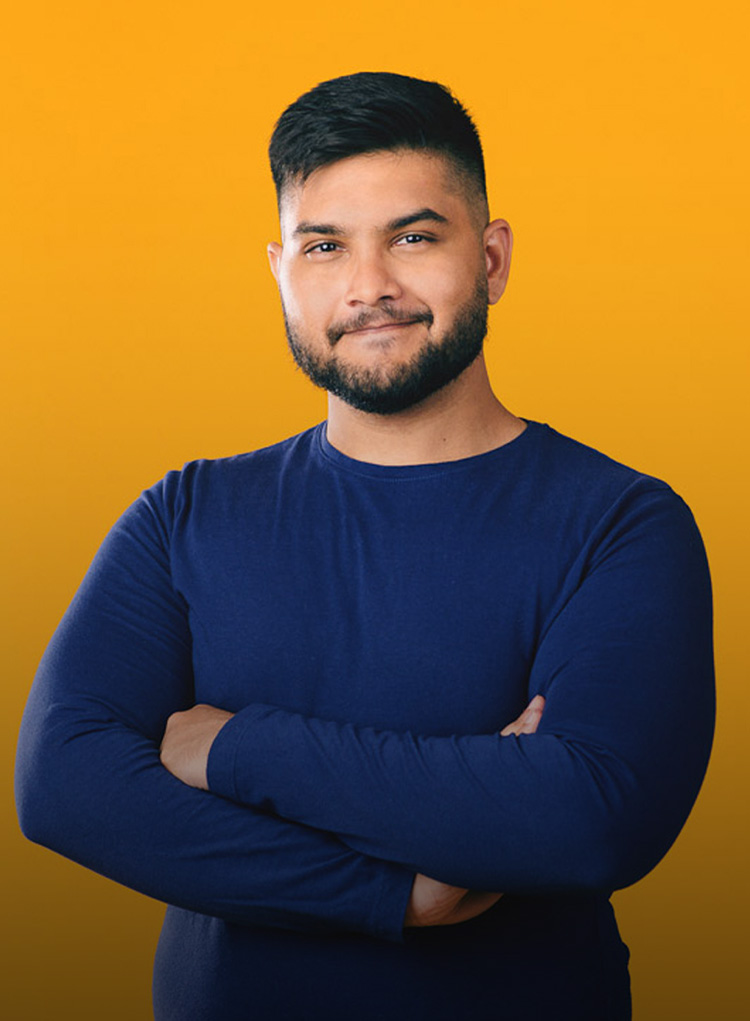
HNMAG: You mentioned you’re going to make a full length feature documentary next. Do you feel this will be an interesting new challenge?
Ali Naqi: Oh yeah, it’s definitely a challenge to draw out the subject and also the characters. But we have brilliant mentors, Argil Nauser, Justine Pemlot, and Sergio Kirby. These three mentors have been really shaping and helping us see the vision of the story and we’re learning new things from Casturi herself. Even just researching on the background of where the orphanage is, so I speak the language Camdan. The challenge now for example, is are we operationally going to execute a project just because it’s in a different language so we are in the process of finding a translator and translating all the footage and where is THAT going to be done. A lot of operational stuff that we’re still figuring out because we’re in the early stages of development. But I’m pretty confident that we’re going to have a really strong story at the end of it.
HNMAG: How else will it differ from previous content that was short?
Ali Naqi: There’s definitely going to be more characters, so there’s the goa-mom the kids refer to her as. Then we also have that side story where the government has allocated land but she doesn’t know how to get that yet. In this documentary we’re going to be really following that storyline of hope and figuring out because she wants to grow the orphanage and that’s why her having this land and the opportunity to build on it is something that we’re going to start documenting as soon as we get more approvals.
HNMAG: I understand you had previous experience in HIV prevention campaigns. What are your secrets to success?
Ali Naqi: Ah, that’s a really good question. I mean it comes from knowing your target audience and knowing what the interesting behaviours are. I think growing up queer and in a closet, there’s a lot of hush-hush things that you don’t talk about. HIV was one of the topics that we didn’t want in our household, so at 16 when I was exposed to this, I was shocked because my mom always told me “Queer men get HIV” so that kind of made me come out later and so then coming to Canada and being exposed to different queer people, cultures, immigrants, I’ve learned that there’s commonality in them. When it comes to designing campaigns and storylines, is to use those threads and make a compelling campaign. For example, I work for The PrEP Clinic, and I’ve been working with them for 5 years. One of the campaigns that we did was “Owning My Crown”. What it entailed was 5 different subjects that came from different backgrounds and we did a round table. What we learned is, even though we all came from different backgrounds, we have similar stories that we share. Like coming out, getting FDI for the first time. The reaction that you get, and finding your chosen family. That’s where a lot of immigrants have to find their chosen family when they come to Canada.
HNMAG: You’ve made a few documentaries covering this matter along with other issues too. What is your biggest hope in what people will take away from them?
Ali Naqi: I have to say awareness, and just getting to know a little nugget about someone’s life. I think it’s really important in getting to know their struggles, their challenges, but also learning their accomplishments and what they’ve achieved. I think that’s what I want people to take away, getting yourself a good documentary. I watched Blink [recently] and that documentary really changed my persepective but also took me to the other world where I was there with them. That’s what a good documentary does, it basically invites you in. That’s my style, observation which is intimate. That’s the beauty of creating a documentary for me.
HNMAG: I also hear your work got into some festivals not only here, but in Cannes. Did you get a lot of positive feedback from audiences?
Ali Naqi: Yeah, yeah. It got into the Cannes Indie Short Film Festival as a semi-finalist. It was on their online platform, and I got really good feedback from them. A lot of them were shocked that there was an orphanage in India because they never imagined a situation where there were orphanages for HIV children. To bring this topic to life, people thought that India was a touristic place, a really fun place to me.
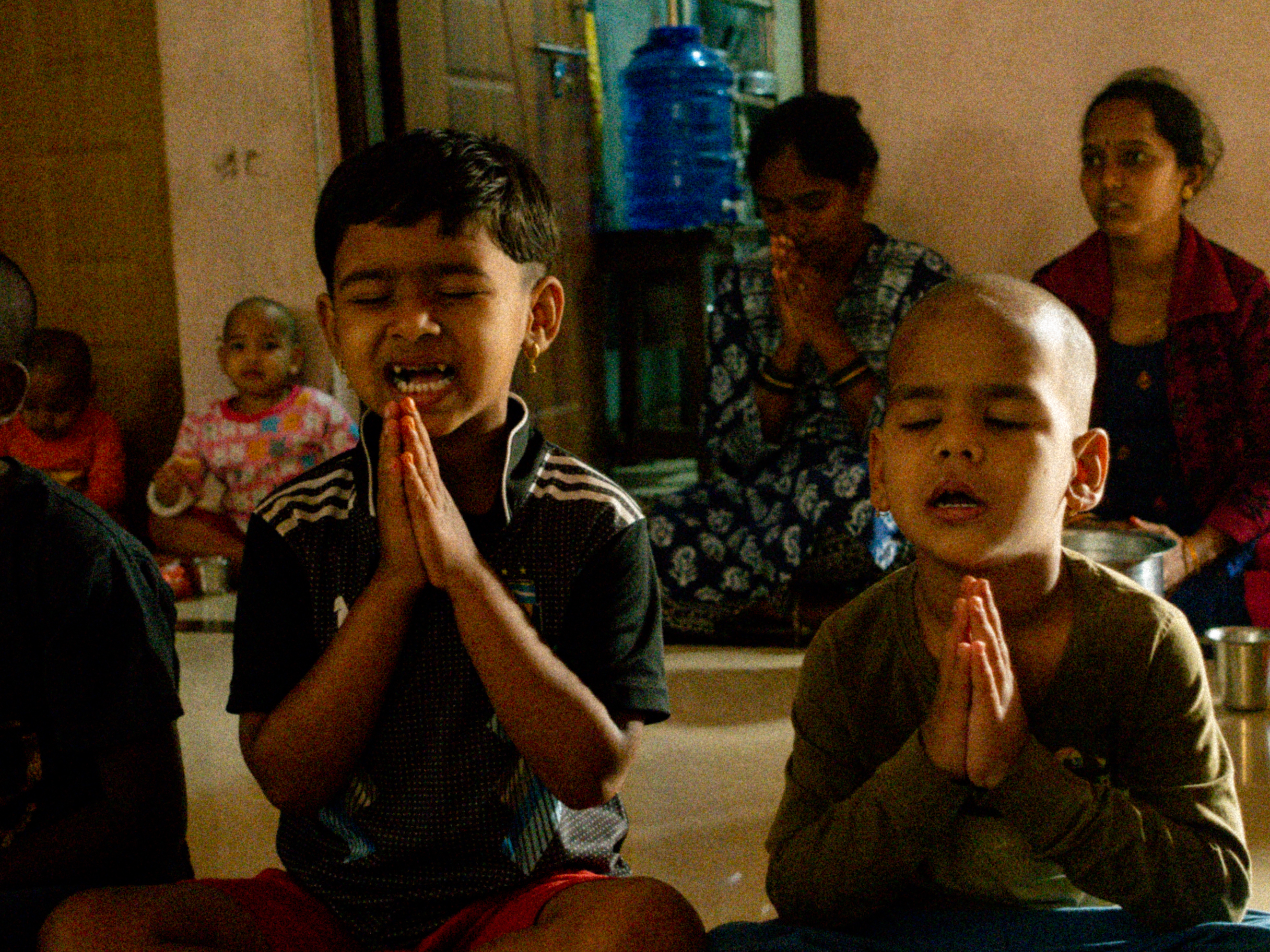
As we know, India has plenty of third world problems, but kids being abandoned due to their HIV status is a different subject altogther. With so many people being exposed to it (not the disease, the subject rather) it affects them with some new facts.
HNMAG: You started out in design and marketing. What tactics do you use from those days to market your content and make movies?
Ali Naqi: A big part of that is from marketing and branding, you learn a lot about what the audience wants, the storytelling of it, and how do you convince them to buy your product eventually. Right? But in the film world, you’re not convincing someone to buy a product or service. You’re just convincing them to be in the audience, to be invited into the whole film and watch it from zero seconds to all the way to the end. What tactics I use are the ones that we learned in storytelling: Plot, stakes, and character development, storyline. That’s something that I was missing in the marketing and branding world because you would have to create campaigns and commercials which are like 20-30 seconds. So you don’t get that big arc. But however, some commercials especially Scotiabank recently did a commercial about immigrants and in one minute they were able to explain the problem and the solution. I think something similar in documentaries and filmmaking is there’s a problem and the character is trying to find the solution for it.
HNMAG: What business practices would you recommend to first time filmmakers looking to get themselves out there?
Ali Naqi: Yeah, I would tell them honestly like: When you’re making a film, there’s a lot of trial and error. You’re not going to get it the first time, you may kind of the second time. But the third or fourth time, you might get it! Really give yourself time and be patient with yourself. I’m a perfectionist so I really tend to get into the nitty-gritty and then I beat myself over it if something doesn’t go the way I was envisioning it. Sometimes that’s the universe telling you maybe look at it from a different perspective. That happened with Gubbi where I had a certain vision for the film. However, as we learned more about Casturi as the storyline progressed, the vision changed and I went, “Okay, this is the vision. I’m happy with it” I would’ve made some changes, but I’m happy with it.
HNMAG: One of your other projects is going to be a musical too. What inspired you to make something like that?
Ali Naqi: Ah! The musical, that’s definitely in the works. The musical is inspired by my immigrant journey, and finding love. But I’m also bipolar so it also deals with mental health issues and substance abuse. I wanted to create a musical that shines a light in mental health and substance abuse but in a way where it’s campy and fun. A dark play so that’s where the musical is, but because of the nature of this feature documentary being such a high priority I have put the musical on the back burner right now.
HNMAG: What will your recently acquired funds guarantee?
Ali Naqi: We have acquired Telefilm Talent to Watch, Canada Counsel, we’re also looking to find broadcasters, and unlock the Rogers fund. We are also going to Hot Docs to present our project to the Hot Doc forum, we got selected for it. This film has definitely opened a lot of doors and changed a lot of my perspective. Just getting to know the character has changed a perspective in me where he chooses not just blood but creates hope for children who have lost their families and who are traumatized by them. I’m just thinking that is so inpsiring to do where you’re literally taking a 4-5 year old kid and giving them hope for a better future and understanding what HIV is. Some of them want to go to University, she’s not just saying “You have HIV and that’s your life” No, she installs hope where some want to go and become a pilot.
HNMAG: Is there any fictional content you have made or are you going to look into making that?
Ali Naqi: A couple of weekends ago, I actually shot my first narrative short film called Not Broken. It is just one scene, 11 minutes and it’s about a first-generation Pakistani/Muslim traditonal household with an Islamic mother. So you see two perspectives of both of them sharing their point of views, and it gets heated at some point but at the end they do come together. They bond over love rather than hate.
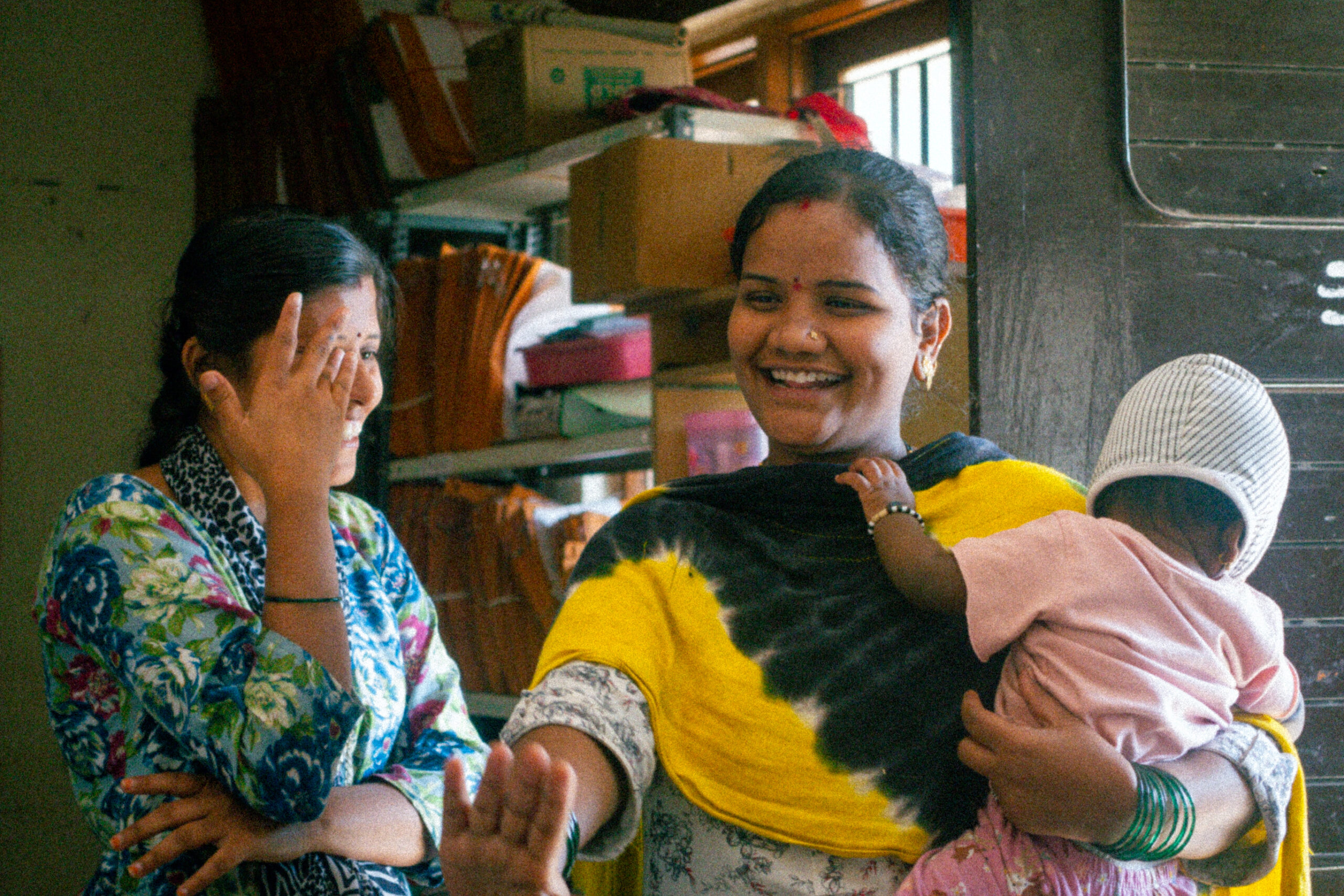
You’ll be able to see Not Broken on his website when it is all done. As for Gubbi, let’s hope its been doing great lately with festivals and viewership.