
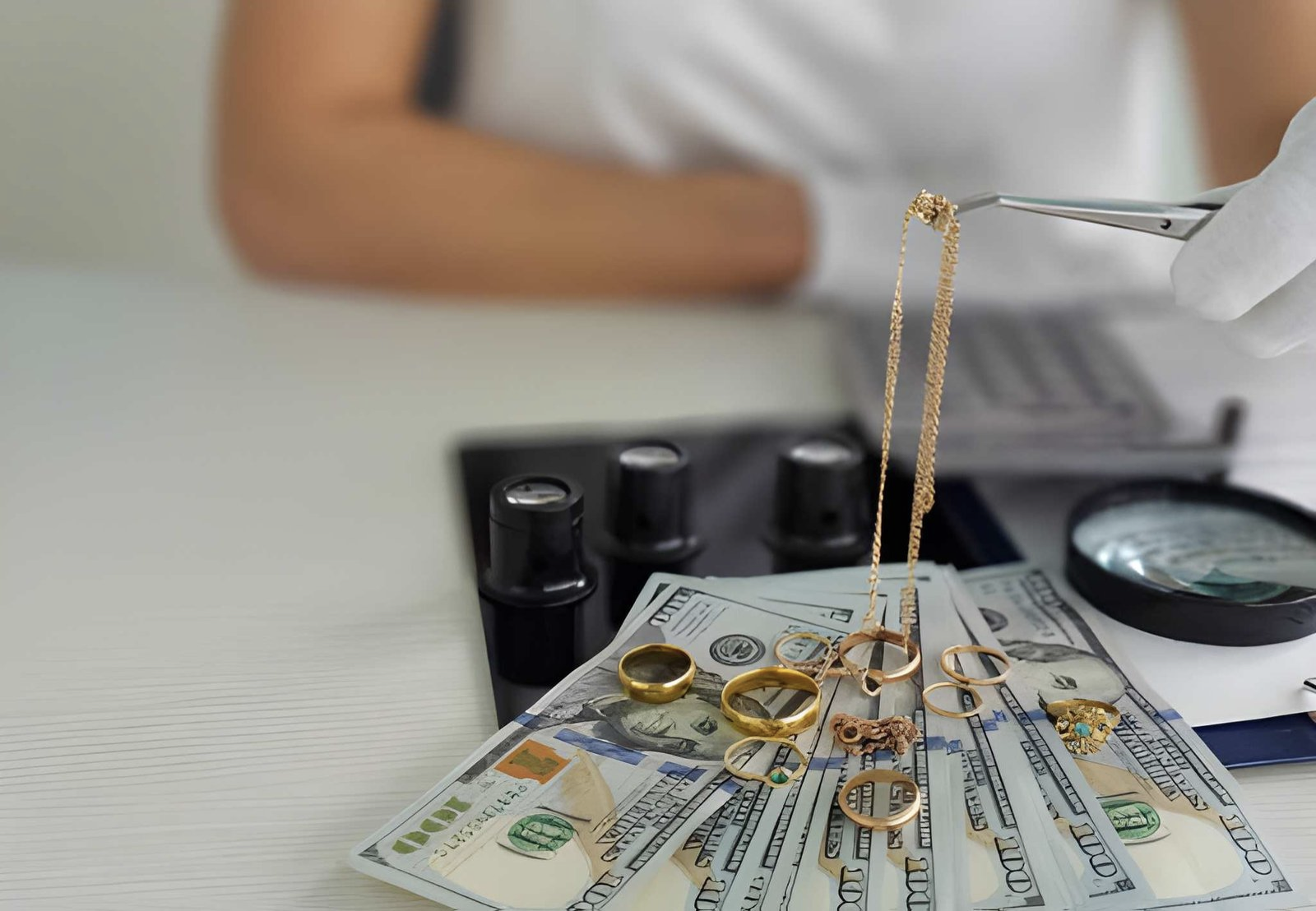
In today’s thriving luxury resale market, designer jewelry is more than just sparkling accessories gathering dust in your closet — it’s a genuine asset that can deliver substantial cash. With the U.S. jewelry sector on track to hit nearly $98 billion by 2030 and strong demand for authenticated pre-owned pieces from brands like Cartier, Tiffany & Co., Van Cleef & Arpels, and Chanel, savvy owners are converting forgotten heirlooms and impulse buys into meaningful income. The key lies in a strategic approach that blends accurate valuation, professional presentation, and choosing the right sales channel.
If you’re ready to transform your collection, the process is more accessible than ever. Whether you own a single standout piece or an entire drawer of luxury items, understanding current market dynamics and buyer expectations is essential. For those in South Florida, a trusted local option is to sell designer jewelry for cash in miami through specialists like diamonds, who provide instant, transparent offers backed by expert gemologists. No matter your location, the same principles apply: knowledge, preparation, and smart execution turn your jewelry into reliable cash.
Assessing the Real Value of Your Designer Jewelry
Start by determining what your pieces are truly worth in today’s market rather than relying on emotional attachment or outdated purchase prices. Professional appraisals from certified gemologists or institutions like the GIA remain the gold standard, especially for high-value items featuring in vivid diamonds, colored gemstones, or signature craftsmanship. Current 2026 data shows pre-owned designer jewelry typically sells for 60-90% of original retail when authenticated, with pristine condition, original packaging, and certificates boosting offers by 15-25%. Factors like metal purity (18k gold or platinum), gem quality, and brand provenance directly influence payouts, while trends such as rising gold prices above $3,000 per ounce further elevate certain pieces.
Avoid the common mistake of guessing value based on online “quick quotes” alone. Instead, gather all documentation — receipts, grading reports, and authenticity cards — then cross-reference with recent auction results or resale platform comps for similar items. This data-driven approach protects you from lowball offers and builds confidence when negotiating. Whether your collection includes vintage estate finds or modern statement pieces, accurate valuation ensures you never leave money on the table and positions you as an informed seller from the first conversation.
Preparing Your Jewelry to Attract Serious Buyers
Clean and photograph your pieces professionally without over-restoring them, as many serious buyers prefer “as-is” condition that preserves original character. Gentle ultrasonic cleaning or a soft cloth removes everyday tarnish and fingerprints, but leave minor wear visible unless the buyer requests polishing. Capture high-resolution images from every angle — front, back, sides, close-ups of hallmarks, and any flaws — using natural light and a neutral background. These visuals, combined with detailed measurements and weight, give buyers complete transparency and dramatically increase response rates on both online and local platforms.
Include every supporting element that proves provenance and boosts perceived value. Original boxes, dust bags, certificates, and even service records can add 10-20% to final offers because they signal authenticity in a market flooded with replicas. Organize your documentation digitally for easy sharing, and consider a quick professional appraisal if your pieces exceed $5,000. Proper preparation not only maximizes appeal but also speeds up the entire selling process, turning weeks of back-and-forth into same-day decisions with confident, cash-ready buyers.
Selecting the Optimal Selling Platforms and Methods
Compare online luxury consignment sites against local cash buyers to match your timeline and profit goals. Platforms like The RealReal, Fashionphile, and Vestiaire Collective specialize in authenticated designer jewelry, offering global reach and higher percentages after fees, often 50-70% of the selling price for premium condition pieces. These sites handle authentication and photography for you, making them ideal if you want convenience and maximum exposure. For faster liquidity, local jewelers, estate buyers, and specialized diamond houses provide immediate cash without waiting for auctions or consignment cycles.
Auctions through Christie’s or Sotheby’s suit ultra-rare or high-end items, while peer-to-peer sites like eBay work well for mid-tier pieces when you control the listing. In competitive markets, combining channels — testing local offers first then listing online — often yields the best results. Research each platform’s fees, authentication policies, and recent sales data for your specific brands before committing. The right choice depends on urgency, piece value, and how much hands-on effort you prefer, ensuring you extract every possible dollar from your collection.
Mastering Pricing, Negotiation, and Finalizing the Transaction
Set a realistic asking price based on recent comps while leaving room for negotiation that still meets your minimum. Factor in current gold spot prices, brand popularity, and condition, then list 10-15% above your target to allow buyers to feel they’re getting a deal. Transparent communication about any imperfections builds immediate trust and prevents deal-killing surprises during inspection. When offers arrive, compare them against your research rather than accepting the first number, politely countering with data that justifies your value.
Secure payment through verified methods — wire transfer, certified check, or reputable escrow services — and complete any required paperwork for taxes or provenance transfer. Many sellers overlook state sales tax rules or capital-gains reporting on high-value items, so consult a quick tax professional to stay compliant. Once payment clears and ownership transfers, you’ve successfully completed the journey from closet to cash. Celebrate the smart financial move while keeping records for future reference, knowing the same process works for any future pieces you decide to sell.