


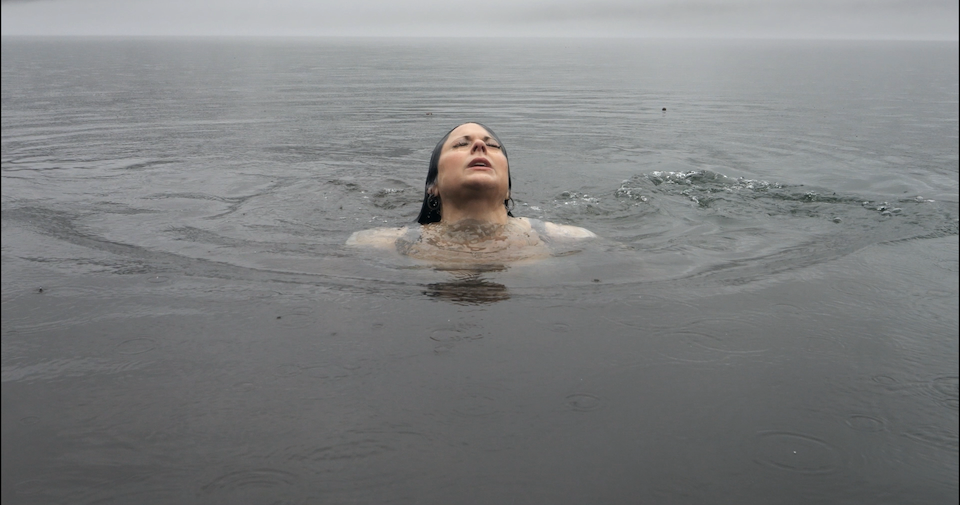
The Climate Crisis is here, and we all need to deal with it. What is unusual is a husband-wife director team. Even more rare is if that team is dedicated to making a difference by investing years of their life into important documentaries that can help save the planet. We had a conversation with Nova Ami and Velcrow Ripper, who just finished making the feature-length Canadian documentary, Emergence: Women Storm.
HNMAG: How did you get the name Nova Ami?
Nova Ami: Nova was a chosen name.
HNMAG: Nova is Latin for new.
Nova Ami: Yes, it is. My mom’s maiden name is Villanueva, which means new house. I felt an affinity with the new, as I was going through some big personal changes in my life and wanted a new start. I started DJing at the time, and I called myself “DJ Nova” because I love the name, and then it felt really right, it fit. My close friends started calling me Nova. And I thought, you know what, I want everyone to call me Nova. I even want people at the credit union to call me Nova. So I legally changed it.
HNMAG: Oh, that’s terrific. Velcrow Ripper, that’s also a cool name. How did that happen?
Velcrow Ripper: As a child, I never really liked my birth name, which was Steve.
HNMAG: A very usual name.
Velcrow Ripper: When I was 19 I was given the nickname Velcrow because I was a punk rocker with spiky hair, and my last name was Ripper.
HNMAG: Velcrow Ripper is a very punk rock name.
Velcrow Ripper: When I left home, I was on a plane to film school in Windsor, and I thought, I’m landing in a new place, not one person knows me, and this is my chance to begin my adult identity as a new person. I wanted to reinvent myself. When I arrived there, I started introducing myself as Velcrow, and everyone knew me only as that, and when I moved to Montreal to continue film school, everyone knew me as that, and that was how it kind of became my common law name. I added the W at the end, which made it more like Crow. I ended up at Concordia, in Communication Studies with a film specialization.
Nova Ami: Funny enough, I also did that program, but at a different time. We had the same teacher.
HNMAG: Is there an actual mental condition that is directly associated with the climate crisis?
Velcrow Ripper: There is in fact a condition called Solastagia, which is a form of emotional distress caused by environmental change, such as the climate emergency, the loss of a sense of a secure future. But Dr. Courtney Howard in the film is saying something a little different – If we treat climate change like a diagnosis, that metaphor can help us understand the climate crisis.. She’s an emergency room doctor. So she’s seeing the crisis through that lens of being an ER doctor. When she has to tell a patient some bad news, say that they have cancer, a lot of patients go into denial, or they walk out of the room, or they laugh, and some want to know everything they can about it. There’s a grieving process before they move on to treatment. And that’s very similar to how many of us deal with climate change. We have this global diagnosis that we’ve caught climate change, and how are we going to deal with it? How are we going to relate to it?
HNMAG: If we were to treat the climate crisis as a medical diagnosis, what would that look like in the way things change globally?
Nova Ami: Part of it is how you choose to treat your illness. We have a choice as a society on how we move forward. Systems need to be put in place that will help to cure this illness, to treat it, to help protect the planet from climate devastation.
Velcrow Ripper: We’re dealing with a chronic illness, a long illness. It’s not going away anytime soon. What are the different layers? We have to deal with the mental health aspect the physical aspect of that. We have to look for support. We’re all in it together. So we’ve all received this diagnosis, and we have to have compassion for each other because some of us aren’t really facing it yet, but sometimes we don’t have a choice. It comes and hits us right in the face, and then we have to learn how to respond to it. A lot of what the film talks about is how we transform this crisis and what are the ways that we can process it. How do we heal?
HNMAG: How can everyone see Emergence?
Velcrow Ripper: There’s a web link where you can see the list of screenings, and it includes a form where people can set up their own community screenings, which will be updated ongoing. It’s www.Emergence.film.
HNMAG: That’s easy to remember.
Velcrow Ripper: We’re going on tour. We’re starting with BC. That’s how we’ll build a buzz, and then we’ll expand out from there.
Nova Ami: We’re really excited about the screening that we’re going to be doing in Hope, British Columbia, at the newly re-opened repertory cinema there, because a lot of our subjects have a closer proximity to that place. We’re really looking forward to sharing it with the communities there. After that, we’ll be launching it theatrically in Vancouver at the VIFF Centre, starting February 25th.. Eventually, it will live on The Knowledge Network streaming site for free for all Canadians.
HNMAG: Velcrow, you grew up on the Sunshine Coast.
Velcrow Ripper: Yes, in the town of Gibsons.
HNMAG: Nova, were you in Vancouver before you started your film career?
Nova Ami: I was in Vancouver, and I went to Concordia University in Montreal. Then I came back to start my film career. Before that, I was in theatre. I lived in Vancouver for many years before Velcrow and I connected. We knew each other before, but we connected in New York when I was there doing a Master’s degree in film and media studies at the New School.
HNMAG: Velcrow, what were you doing in New York at the time?
Velcrow Ripper: I was showing my film Fierce Light: When Spirit Meets Action and doing a workshop on that as well as pitching.
HNMAG: Pitching features?
Velcrow Ripper: Yes, at the Independent Feature Project.
HNMAG: When was that?
Nova Ami: It would have been in the fall of 2010. We did know each other previously in Vancouver through the documentary community. So we weren’t strangers,
Velcrow Ripper: But that’s where we fell in love.
Nova Ami: It’s a love story. (laughs) There you go.
HNMAG: A love work story or a literal love story?
Nova Ami: First, it was a literal love story.
Velcrow Ripper: In fact, we ended up getting married.
HNMAG: Congratulations. Marriage is a lot of work.
Nova Ami: There are multi-layers to this relationship. We started working together after a couple of years of being together.
HNMAG: You worked as co-directors on Emergence.
Velcrow Ripper: The last three features we’ve been co-directors with Emergence, Incandescence, and Metamorphosis, as well as the web series Living With Dying
HNMAG: Co-directing can be more difficult because there are more conversations about almost every decision. Do you find this a little more challenging as co-directors?
Nova Ami: Yes and no. For us, the dynamic works really well with the projects that we’ve done, and also with our family dynamics. We talk about things as they come up in the moment. Sometimes it’s not the right moment to bring it up.
Velcrow Ripper: Is this a date or is this a work thing? (laughs)
HNMAG: Right.
Nova Ami: We try to have boundaries around it, but sometimes you just can’t. You just have to realize that it’s a major aspect of our lives.
Velcrow Ripper: It’s more than a job. It’s not like we just work together. It’s a creative, artistic collaboration. It’s so much fun, and so great when we are creating new ideas together. And we have a very similar aesthetic. A remarkably similar aesthetic. We don’t really argue about ideas so much as we’re always challenging ourselves to make things better. What’s a fresh idea here and what’s next? Also, how can we make it really sing? Because we always feel like we want to go big or go home.
Nova Ami: We also have complementary traits. We fill in the gaps for the other person when it’s not our strongest area. That makes our work better.
HNMAG: What are your strongest attributes in terms of complementary traits?
Nova Ami: I’m really alive when I connect with my subjects. Creating a space for them to feel safe and heard and to just really engage with them about their life story. They’re not used to having people come in and place a camera in front of them. Questions about things that they’ve been through could be very traumatic.
HNMAG: That could be jarring,
Nova Ami: In terms of establishing trust and connection, I really honor my subjects. They can sense that, so we have a rapport.
HNMAG: What about you, Velcrow?
Velcrow Ripper: I do have a great rapport with the subjects, but Nova is more social than me. When we’re doing the interviews, I really get into the zone, but reaching out and connecting and calling people, making those initial contacts, she’s way better at that than I am. I have a hard time with making phone calls, I’m better at texting or emailing. I’m really good at the technical aspects, working with the gear, and the software. At times we have a large crew with lots of support, but sometimes there’s just the two of us on a crew ,as was the case with this film. I’ll be setting up the gear, and Nova will be holding the space with the subject and talking with them, but making sure they don’t talk about what we’re going to interview them about, because we don’t want them to use that up before we start rolling the camera. We work really well together in that way. It’s a long haul. We’re constantly having to maintain contact with people. Even now, as we’re releasing the film. There’s a lot of connection with our subjects and letting them know about things, and inviting them to screenings. Nova’s really great at that aspect of things.
Nova Ami: I’m also more detail-oriented, and Velcrow is more about the broad strokes.
HNMAG: Do you have a shorthand for when you’re working?
Velcrow Ripper: Oh yeah, it’s amazing. We’re constantly on the road, and we’re constantly packing up and going somewhere else, and we don’t even have to say “you do this, I’ll do that.”. We can pack up in minutes, almost, but we don’t even have to communicate. We just know what needs to happen all the time. We have a lot of wordless communication.
HNMAG: Great.
Velcrow Ripper: When we’re shooting, and we need to communicate about a shot or something, we don’t want to break the subject’s attention, but it could just be a look or a gesture. That’s one of the advantages of being creative collaborators as well as life partners. We’re very sensitive to each other’s wordless communication.
HNMAG: You have a child. How does that work when you’re away on location?
Nova Ami: He’s a home learner so we bring him with us everywhere we go, whether on location or to film festival and theatrical tours.
HNMAG: He’s home schooled?
Velcrow Ripper: Yes. We’re a documentary family. It’s tricky in some ways, because we can’t just drop him off at school.
Nova Ami: Oftentimes, we figure out a workaround. We were shooting in the Okanagan for our previous film. His auntie happened to live there. She did a lot of hanging out with him while we were working. My mom has come along, and Velcrow’s mom before she passed.
HNMAG: My condolences.
Velcrow Ripper: Thanks. My mom’s close friend has stepped in to help now too. Yay for Grandma power, we couldn’t do it without them.
HNMAG: That’s good.
Velcrow Ripper: It is an intense film, but it’s also a very poetic film. There’s the poetry of Meghan Fandrich woven throughout it that gives it a poetic layer that really holds it beautifully. Her poems are from her book “Burning Sage: Poems from the Lytton fire.”
HNMAG: Hopefully, she’ll be able to rebuild to make this community whole again.
Nova Ami: Often, when you hear a story or something that happens in the news about climate disasters, once the disaster is over, you don’t hear anything about it anymore. You don’t hear how the people are doing. How are the communities? It was really important to us to follow how they have moved forward.
Velcrow Ripper: Ultimately, EMERGENCE is about resilience and community and the creative ways people have come up with processing these climate emergencies that they go through. It’s a very hopeful film.
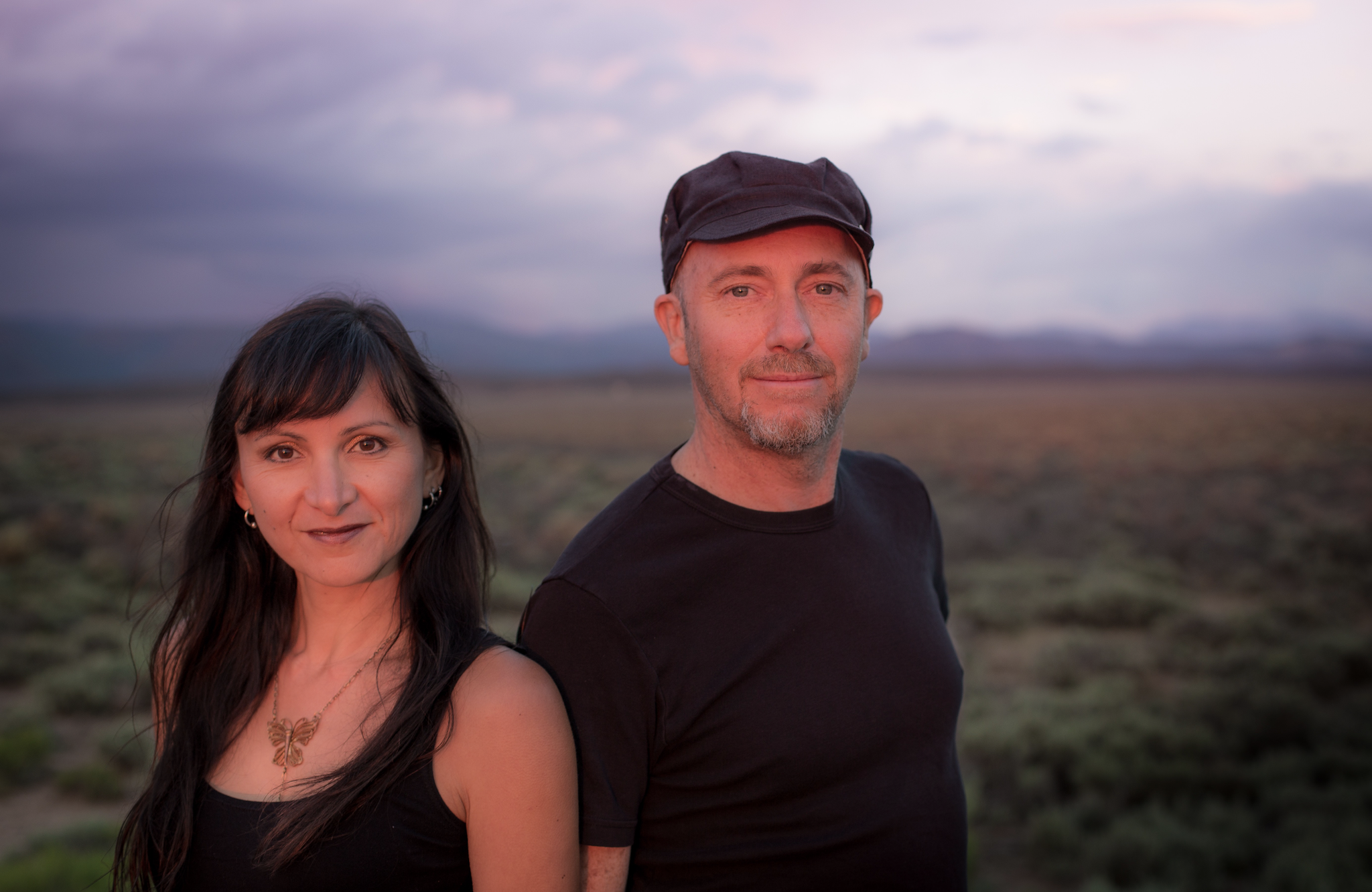
Nova Ami and Velcrow Ripper are a unique and dynamic married couple who have created a true partnership. They spend most of their time together, co-parenting, producing, and directing. They have a strong shared vision and passion for moving forward in a planet in crisis.
Emergence: Woman in the Storm shows us the harsh realities of the climate crisis and tells the stories of some very strong and resilient Canadian women who have gone through disasters and are working their way back to sustainability. It’s an important and enlightening documentary.
Here are all the screenings:
February 21st at the Hope CinemaFebruary 25th, 27th, March 1st and 2nd at the VIFF CentreFebruary 27th and March 1st at the Salt Spring Island Film FestivalMarch 8th at the qathet International Film FestivalApril 7th – launch on the Knowledge NetworkApril 18th at the Gibsons Heritage Theatre