


Send The Rain is a feature film, shot and set in British Columbia.
We subsequently had a chance to sit down with producer Michael Johnston.
HNMAG: Are you originally from Vancouver?
MICHAEL JOHNSTON: Grew up in Oakville, Ontario, for about the first nineteen years of my life, and then I actually moved out to Vancouver, to go to school at the University of British Columbia, to attend their film production program.
HNMAG: Okay. Right.
MICHAEL JOHNSTON: I moved to Vancouver in 2012, I believe, and started at UBC in the fall.
HNMAG: You were in the film program for the last two years at UBC.
MICHAEL JOHNSTON: I was a part of the film program there. I graduated in 2017. The last two years, they let in around fifteen people. Even though you were studying film, before that, there was a specific, small group for the third and fourth years.
HNMAG: Did you start working in the industry after you graduated?
MICHAEL JOHNSTON: I started making a living for myself in that sense. I sort of bounced around. I did a lot of grip work as well as in the lighting department. I was a gaffer on ten movies or something for my classmates. I learned a lot about the lighting department. It was a natural pivot in that sense to take on work while I was at school in those departments, but then after school, I really started pursuing it full on. It was the summer, August of 2017, just after we graduated, that an opportunity came to work on a series of TV movies, with a Director of Photography (DP) who I had worked with before and had a good relationship with. He was hired to work for a production company doing as many TV movies as they could in a year.
HNMAG: Yes.
MICHAEL JOHNSTON: Our crew jumped onto that and did that for about eighteen months. We worked with this production company. We did ten movies in a year with them.
HNMAG: Were you a gaffer with that company?
MICHAEL JOHNSTON: I transitioned more into the grip side of things.
HNMAG: A key grip? Okay.
MICHAEL JOHNSTON: I worked my way up to that, but that was my first big opportunity to be a key grip. It was a big learning environment, a big learning experience to take that on.
HNMAG: Was that non-union?
MICHAEL JOHNSTON: Yeah, these were non-union productions. This production company became a good training ground. The budgets were smaller. We were shooting these movies in twelve to fifteen days, which is crazy. So you learn very quickly. As a result, you don’t really have much of a choice. It was trial by fire. It was a great s proving ground for myself, and I was able to bring a lot of my colleagues and friends into the mix.
HNMAG: Perfect. Were they Hallmark movies?
MICHAEL JOHNSTON: Yeah, Hallmark and Lifetime movies. We bounced around depending on the time of year. In the summer, we did a lot of Christmas movies.
HNMAG: It’s kind of funny how we shoot Christmas movies when it’s hot outside, and there’s no snow anywhere.
MICHAEL JOHNSTON: To the outside viewer, it’s totally backwards, but when you have the production knowledge, you shoot them in July, August, so you can deliver them to the network on time.
HNMAG: With those budgets, scheduling is important and they need to be ready before December.
MICHAEL JOHNSTON: It is always a funny thing. I have so many stories of background performers, bundled up in these winter coats and scarves. Lying down with thick, fake snow, sweating buckets because it’s thirty-two degrees Celsius.
HNMAG: Exactly. How did this lead to producing independent films set in Canada?
MICHAEL JOHNSTON: It really came down to working at that production company for eighteen months.
HNMAG: Right.
MICHAEL JOHNSTON: I was starting to get a little burnt out physically and creatively. I’m a very goal-oriented person. What’s the next challenge?
HNMAG: Sure.
MICHAEL JOHNSTON: I’ve gone as high as I’m going to go here. I was already the head of my own department. There wasn’t a bigger opportunity to move any higher than that. I was looking for that next challenge. I was craving that, craving that challenge or the next opportunity. At that point, I decided to set out and focus on making my own films. We were already trying to do that on weekends. In between shoots, we would take three to four days to shoot a music video or a short film.
HNMAG: Right.
MICHAEL JOHNSTON: Not even properly finance them but find friends who we could get to work on these things with and pay people with a case of beer.
HNMAG: When did that become something substantial?
MICHAEL JOHNSTON: In January of 2019, I started doing that as an independent producer. I got connected with Jerome Yoo, who’s a filmmaker based in Vancouver, and he was embarking on doing a Crazy 8s film called Idols Never Die, and he was looking for a producer to join the team there. I was recommended by a mutual friend, Kaayla Whachell.
HNMAG: Terrific.
MICHAEL JOHNSTON: Jerome and I got connected that way. I joined the project at that point. That was the first producing opportunity that I didn’t set up myself. It wasn’t one of the little weekend films either. It ended up being the opportunity in which we launched our production company as well.
HNMAG: Was that with some friends?
MICHAEL JOHNSTON: My three partners, Andy Alvarez, Diana Parry and Martin Calvo. We had been talking about a production company for some time and what it looks like to set up. Off the heels of, Idols Never Die being finished and having its premiere at the Crazy 8s gala. We officially announced our company, which was a great launching point for us. In 2021, after the pandemic, we started building our first feature films.
HNMAG: Send The Rain is your latest feature film. How did you get involved in that project?
MICHAEL JOHNSTON: The directors, Hayley Gray and Kaayla Whachell and I have known each other for several years as well. So we had that existing relationship. I knew that they were in the early stages of writing and developing the feature film. It was early 2023 when we started having conversations about it. They had developed a first draft independently. They came to me with it. I read it, and was interested in taking it on. We partnered at that point, but we continued to develop the project. We, we were able to secure some development financing from Telefilm in early 2023. At the end of the year, we received production financing from Telefilm.
HNMAG: Was it based on a true story?
MICHAEL JOHNSTON: Hayley wrote and directed a short film called Send the Rain a couple of years before we started to shoot the feature, which Kaayla was the Director of Photography for. It is a loose feature adaptation of the short film. They took it in a new direction that infused a lot of Kayla Whachell’s, the co-writer/director’s, family history. Some of her culture and Okinawa culture. It’s different than the short film Send the Rain, which is available on CBC Gem.
HNMAG: We should watch that as it’s free online for everyone in Canada. It’s a unique Canadian experience. We see the strength of someone who was born into very harsh circumstances during World War II in Okinawa.
MICHAEL JOHNSTON: Absolutely. Yeah, it’s a determination. It’s a commitment to honoring your family, honoring your history, culture, and it’s not so easy to just pick up and move.
HNMAG: Right.
MICHAEL JOHNSTON: Because this home is not necessarily just a structure or a location. It’s more than that. The themes that the film explores are not just a matter of getting out. It’s a matter of what you choose to leave behind.
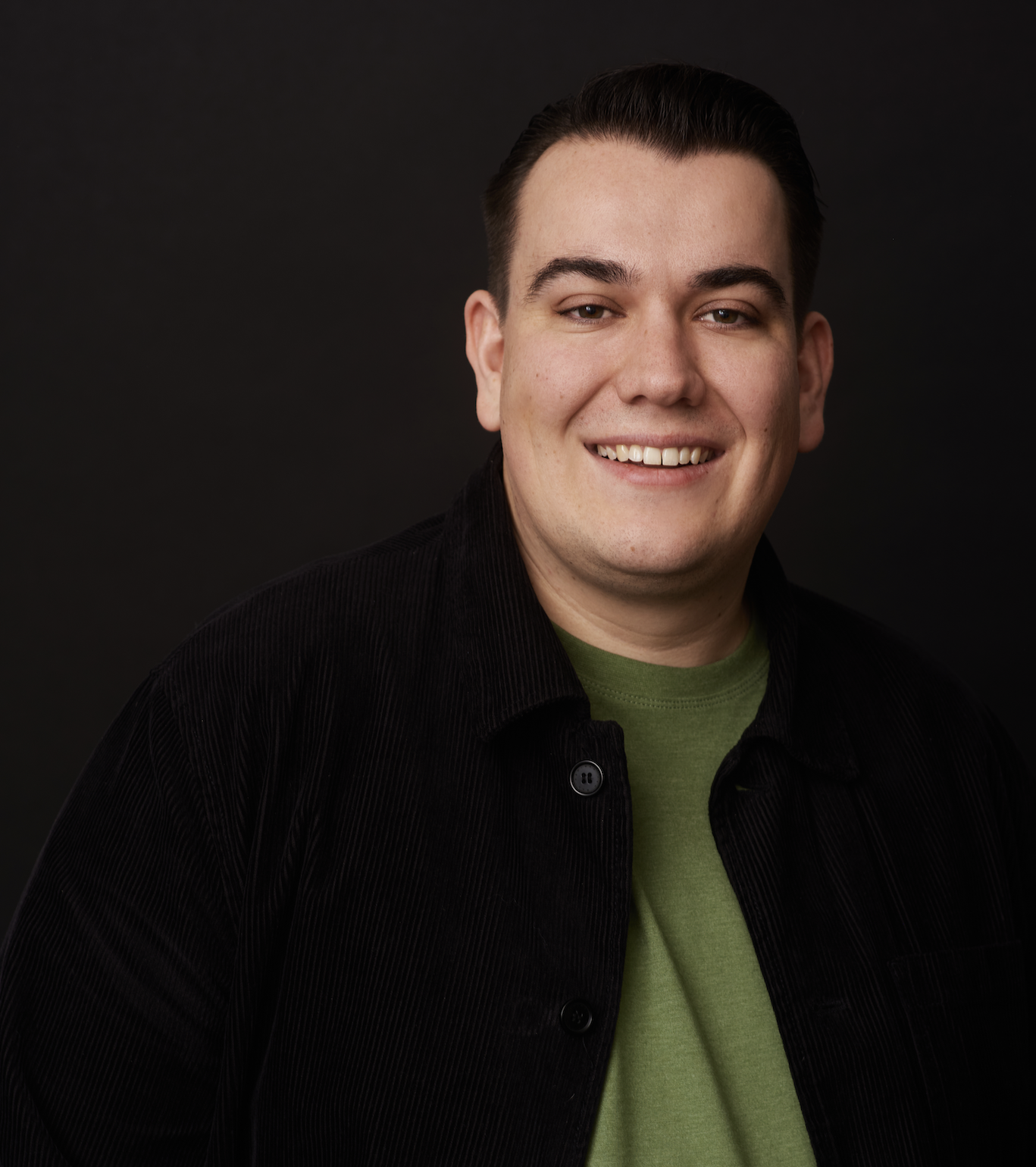
Michael Johnston is a passionate producer who cares about Canada and sharing our stories. He has a long history of working in the Vancouver film industry and has become very familiar with working in a fast-paced environment, making professional television movies as part of the Canadian film and TV service industry. He had a calling to do more, and that led to producing unique Canadian stories for the silver screen.
Send The Rain examines a specific Canadian perspective. What is your relationship to the patriarchy, to your culture, your family, and what does that mean when forces of nature and the climate crisis are a very real and imminent threat?