




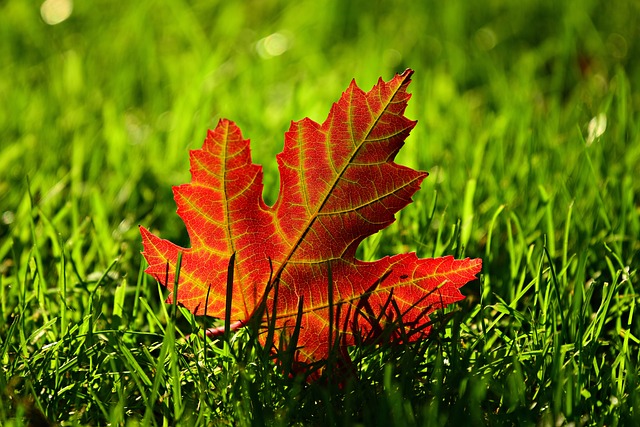
When the maples begin to redden and the light softens toward evening, a mood arrives that many films capture but few explain. This article invites attention to how Canadian filmmaking uses the season’s textures – low sun, brittle wind, and empty fields – to shape stories about memory, family, and change. The aim is to describe the methods filmmakers use and show where those methods differ across regions.
Autumn as a Mirror: Mood and Meaning in Canadian Cinema
Autumn appears on screen less as weather than as a mood. Filmmakers compose shots that make the viewer aware of diminishing daylight. Leaves become a visual motif for endings; long shadows suggest time passing without loud announcement. Rather than relying on overt plot shifts, many Canadian films allow the season’s changes to function as a mirror: what happens in the landscape reflects an inner reordering of priorities.
Cinematography often emphasizes natural light and muted colors, allowing textures – such as wet pavement and frost – to register as emotional signals.
Where the Season Speaks Most Clearly
Autumn does not read the same everywhere. The way the season is filmed in Quebec, for instance, often emphasizes quiet domestic interiors and philosophical economy, while Ontario productions may foreground lakeshores and small towns where weather changes shape daily routines. Prairie films use open skies and long horizons to suggest solitude and endurance; Atlantic Canadian work often places characters in a coastal environment where fall brings both beauty and a sense of weather-won resilience.
For readers wishing for a focused comparison, a useful starting point is the short guide to Canadian regional cinema analysis, which gathers stylistic examples organized by province and by common visual approaches. This resource aligns with the argument – real locations, unadorned production design, local soundscapes – gives autumn its strongest voice on Canadian screens.
Between Documentary and Fiction: Capturing Real Transitions
A notable feature of Canadian autumn films is the frequent crossing of documentary techniques into fiction. Filmmakers borrow observational camera work, handheld framings, and non-professional extras to give narratives a documentary-like immediacy. This blending allows autumnal transitions to feel genuine: leaf drop, migrating birds, the first frost – these become narrative events in their own right rather than backdrop.
Using real locations – working farms, small-town main streets, coastal wharves – also creates textures that studio sets rarely replicate. The resulting films often resist tidy resolutions; endings may feel more like a pause than a finale, matching the season’s own sense of postponement.
Why Autumn Resonates So Deeply in Canadian Stories
Autumn resonates because it matches a national temperament that values quiet observation and practical reflection. The season carries associations with preparation and review: checking the house before winter, making peace with what cannot be saved. Because Canada’s geography makes seasonal change potent and visible, filmmakers can use autumn as shorthand for larger themes without resorting to melodrama.
The cultural effect is that audiences expect subtlety. Films set in autumn rarely demand big emotional declarations; they invite watching and listening. That trust between filmmaker and viewer allows for scenes in which a single exchange at a kitchen table or a brief roadside stop supplies the emotional arc for an entire subplot.
Closing Thoughts
Autumn in Canadian film functions as a thoughtful companion rather than a plot device. It slows the pace, clarifies priorities, and gives small gestures their weight. By favouring real locations, attentive sound design, and a restrained performance style, Canadian filmmakers fall into a season of reflection that suits stories about family and memory. For readers and viewers interested in films that prize observation and human-scale truth, these autumnal works offer both a mood and an invitation: to watch more slowly and to notice what the changing light reveals.