
Facing a surgical molar extraction can feel scary, especially when anxiety and phobia get in the way. Many people fear pain, tools, or simply not knowing what will happen. These emotions are normal, but they don’t have to control your experience. With the right steps, you can feel calmer and more prepared.
Understanding your fears and learning simple ways to manage them makes the whole process easier. When you know what to expect and how to stay relaxed, you can walk into your appointment with confidence. Let’s explore how to handle anxiety and feel more in control before your molar extraction.
Understanding Anxiety Before a Molar Extraction
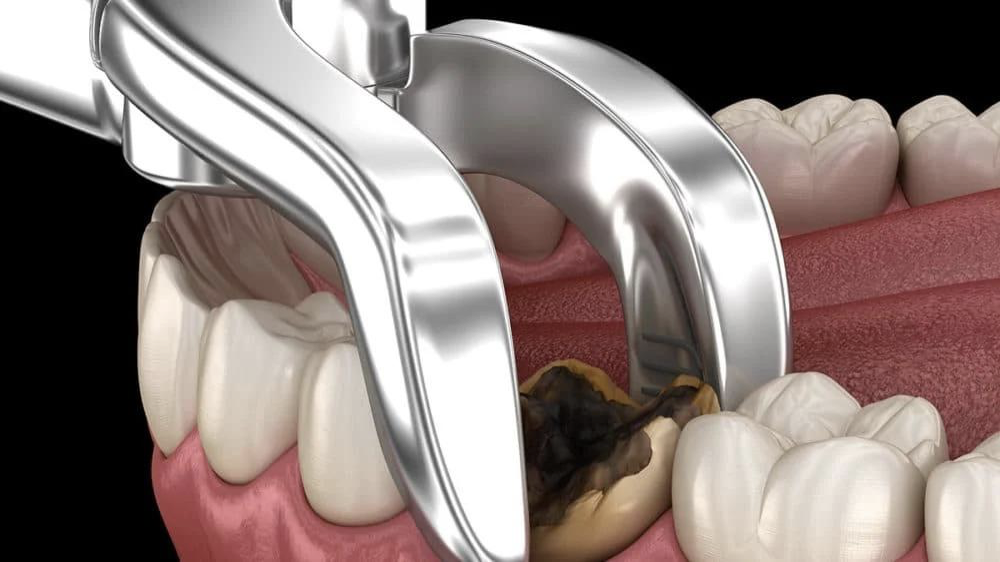
Feeling anxious before a molar extraction is very common. Anxiety and dental phobia can make even routine procedures feel intimidating. Understanding why this happens is the first step in managing it, helping you feel more at ease and better prepared for your procedure; important when considering molar extraction cost.
Why Dental Anxiety Happens
Many people feel nervous before a dental procedure because they worry about pain or the unknown. The sounds, smells, and sights of a dental clinic can trigger fear, even if the procedure itself is routine. Sometimes, past negative experiences or hearing stories from others can make the anxiety even stronger. Your brain treats these fears as a threat, which can cause your heart to race, your muscles to tense, and your mind to feel overwhelmed.
Common Signs of Anxiety and Phobia
Phobia is a more intense fear that might make someone avoid the dentist altogether. Recognizing these signs early can help you take steps to calm yourself before the appointment.
Phobia is a more intense fear that might make someone avoid the dentist altogether. Recognizing these signs early can help you take steps to calm yourself before the appointment.
How Anxiety Can Affect Your Experience
If left unchecked, anxiety can make the procedure feel longer and more uncomfortable. Tension in your body can make it harder for your dentist to work efficiently, and it may increase your perception of pain.
On the other hand, managing anxiety can improve your overall experience, making the surgery smoother and your recovery faster. Techniques like deep breathing, visualization, or talking openly with your dentist can help reduce fear and give you a sense of control.
Preparing Mentally for the Surgery
Preparing mentally for a molar extraction is just as important as preparing physically. When you understand the procedure and calm your mind ahead of time, the experience becomes less stressful and easier to handle. Mental preparation helps you feel more in control and reduces anxiety naturally.
Know What to Expect
One of the biggest causes of fear is the unknown. Take some time to ask your dentist questions about the procedure. Knowing how long it will take, what tools will be used, and what you might feel afterward can make the experience feel more predictable. Understanding these details gives your brain a sense of control, which can significantly reduce stress.
Use Positive Thinking
Thinking positively can change how you feel about your surgery. Remind yourself that this procedure is routine, that dentists are trained to keep you safe, and that any discomfort is temporary. Visualizing a smooth procedure or imagining yourself relaxing in the chair can help replace fear with calmness.
Set Up a Support System
Having someone you trust accompany you or provide encouragement can make a big difference. Talking about your worries with a friend or family member can relieve tension, and knowing someone is there for you adds reassurance. Even scheduling a quick call with your dentist before the day of surgery can help ease doubts and build confidence.
Practice Relaxation Techniques
Simple practices like deep breathing or short meditation sessions can train your mind to stay calm. Doing these exercises regularly before the procedure helps your body respond better to stress when the day arrives.
Simple Techniques to Stay Calm
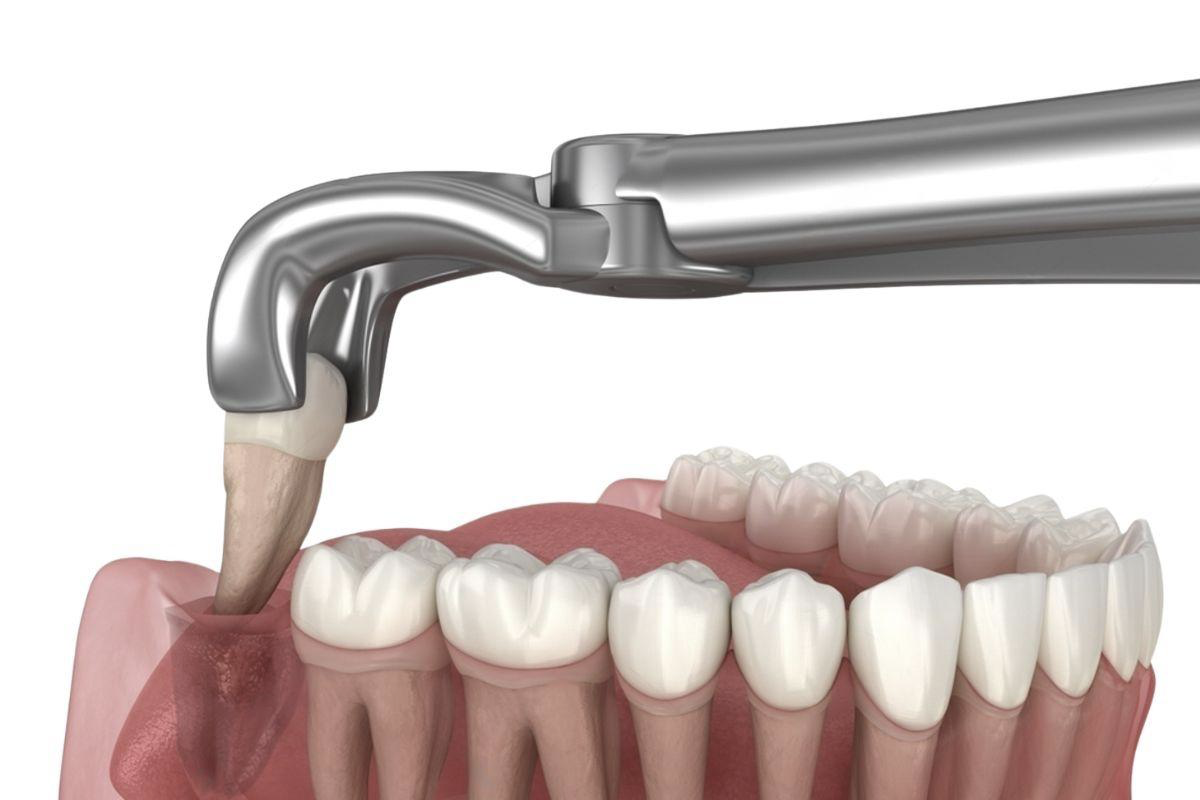
Staying calm before a molar extraction can make a big difference in how you feel during and after the procedure. Using simple techniques can help reduce anxiety, relax your body, and give you a sense of control over the situation.
Deep Breathing
Deep breathing is one of the easiest ways to calm your nerves. Slowly inhale through your nose, hold it for a few seconds, and then exhale gently through your mouth. Repeating this several times lowers your heart rate, relaxes your muscles, and helps your mind feel centered. Practicing deep breathing daily before your appointment can make it even more effective.
Visualization and Positive Imagery
Visualizing a calm and positive experience can trick your mind into feeling more relaxed. Imagine yourself sitting comfortably in the dental chair, the procedure going smoothly, and leaving with a sense of relief. This simple mental exercise reduces fear and builds confidence before the surgery.
Listening to Calming Music
Music has a powerful effect on mood and stress levels. Creating a playlist of your favorite soothing songs can distract your mind from anxious thoughts. Listening to music on the way to your appointment or even during waiting periods can keep your mind calm and focused.
Gentle Physical Relaxation
Tension often builds in the shoulders, neck, and jaw when you’re anxious. Lightly stretching these areas or practicing progressive muscle relaxation—tightening and then releasing each muscle group—can release stress and make your body feel more comfortable.
Working with Your Dental Team
Communicating with your dental team is a key step in managing anxiety before a molar extraction. Dentists and their staff are trained to help patients feel comfortable, but they can only support you if they understand your fears.
Be Open About Your Fears
Telling your dentist about your anxiety or phobia is the first step. They can explain each part of the procedure slowly, answer questions, and reassure you. Being honest allows them to adjust their approach, making the experience smoother and less stressful.
Ask for Clear Explanations
Understanding what is happening during the procedure reduces fear of the unknown. Ask your dentist to describe what each tool does, how long it will take, and what sensations you might feel. Simple explanations can help you feel prepared rather than anxious.
Learn About Sedation Options
For patients with high anxiety, dentists may offer sedation or numbing techniques to make the procedure more comfortable. Knowing your options ahead of time and discussing them with your dentist can reduce stress and help you choose what works best for you.
Plan for Recovery Support
Your dental team can guide you on how to take care of your mouth after surgery. Following their instructions closely can prevent complications, which reduces worry and speeds up recovery. You can also ask them what signs to watch for, giving you confidence that help is available if needed.
Working closely with your dental team transforms a stressful experience into a manageable one. Open communication, clear instructions, and exploring options like sedation can calm your nerves, giving you the confidence and support to face your molar extraction with ease.
Conclusion
Managing anxiety before a molar extraction is possible with the right tools and support. Simple calming techniques, clear communication with your dentist, and good preparation can make the experience smooth and less frightening. With these steps, you can face your surgery with confidence, comfort, and peace of mind.