




In a murder case, forensic evidence can make or break the prosecution’s story. But even the strongest evidence can be questioned if the chain of custody isn’t solid. Every step—from the crime scene to the courtroom—must be documented perfectly. If it isn’t, the evidence could be unreliable.
Challenging the chain of custody is about spotting mistakes and gaps in how evidence was handled. By examining logs, labeling, storage, and transfer processes, defense attorneys can argue that evidence may have been contaminated or tampered with. Understanding this can give your case a strong advantage.
Understanding Chain of Custody
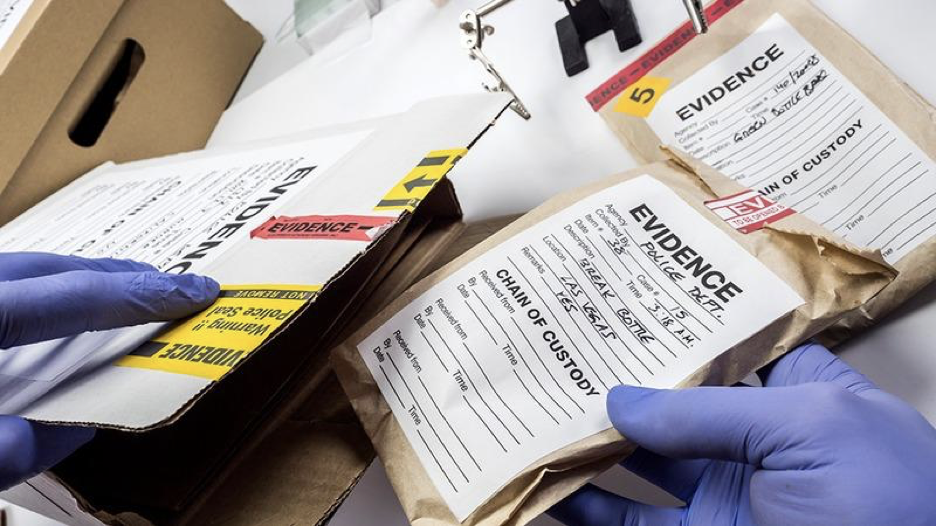
The chain of custody is essential in any murder case because it details how forensic evidence is handled from the crime scene to the courtroom. If this chain is broken or unclear, the evidence may be seen as unreliable, potentially affecting the case’s outcome—an issue a knowledgeable murder defence lawyer can carefully examine.
What Chain of Custody Means
At its core, the chain of custody is a record of who collected, handled, transferred, and stored evidence. It’s like a detailed logbook that tracks every step the evidence takes. Every person who touches the evidence must document the date, time, and purpose of handling. This ensures that the evidence is exactly the same as it was at the crime scene.
Why It’s Important in Murder Cases
Forensic evidence, like blood samples, fingerprints, or weapons, can prove guilt or innocence. If someone mishandles the evidence, it could be contaminated or even lost. A clear chain of custody reassures the court that the evidence is authentic and trustworthy.
Without it, the defense can argue that the evidence might have been tampered with, creating reasonable doubt.
Common Weak Points in Evidence Handling
Even small mistakes can break the chain of custody. Mislabeling evidence, skipping documentation, or not sealing packages properly are common errors. Each weak point gives defense attorneys an opportunity to challenge the evidence. That’s why investigators and labs must be extremely careful at every stage.
How to Protect the Chain of Custody
To maintain a solid chain of custody, authorities must follow strict procedures. This includes recording every handoff, sealing evidence in tamper-proof containers, and storing it securely. These steps prevent questions about reliability and make sure evidence holds up in court.
Identifying Weak Points in Evidence Handling
Identifying weak points in evidence handling is essential when you want to challenge the chain of custody in a murder case. Even minor mistakes can raise serious questions about the reliability of forensic evidence. Understanding where errors can occur helps attorneys and investigators protect or challenge key evidence effectively.
Common Errors at the Crime Scene
Mistakes often start at the crime scene. Evidence may be collected without proper labeling, or it could be exposed to contamination from hands, tools, or environmental factors. If investigators skip photographing or documenting items, it’s hard to prove that the evidence came directly from the scene. These small oversights can create openings for defense challenges.
Problems During Transportation and Storage
Evidence doesn’t stay at the scene; it’s transported to labs or storage facilities. Weak points can appear if the evidence isn’t sealed correctly, logged accurately, or tracked during transit. Even brief lapses, like leaving a sample unattended or mixing it with other items, can break the chain of custody.
Errors in Laboratory Handling
Once evidence reaches a lab, it must be carefully analyzed and recorded. Lab errors, such as mislabeling samples, failing to document tests, or allowing unauthorized access, can undermine the evidence’s credibility. Courts take these mistakes seriously because they suggest the results may not be reliable.
Why Spotting Weak Points Matters
By identifying weak points in evidence handling, defense teams can question the authenticity and integrity of forensic evidence. Every gap in documentation or mishandling gives room to argue that the evidence might have been compromised, which can create reasonable doubt and impact the case outcome.
Legal Strategies to Challenge Chain of Custody
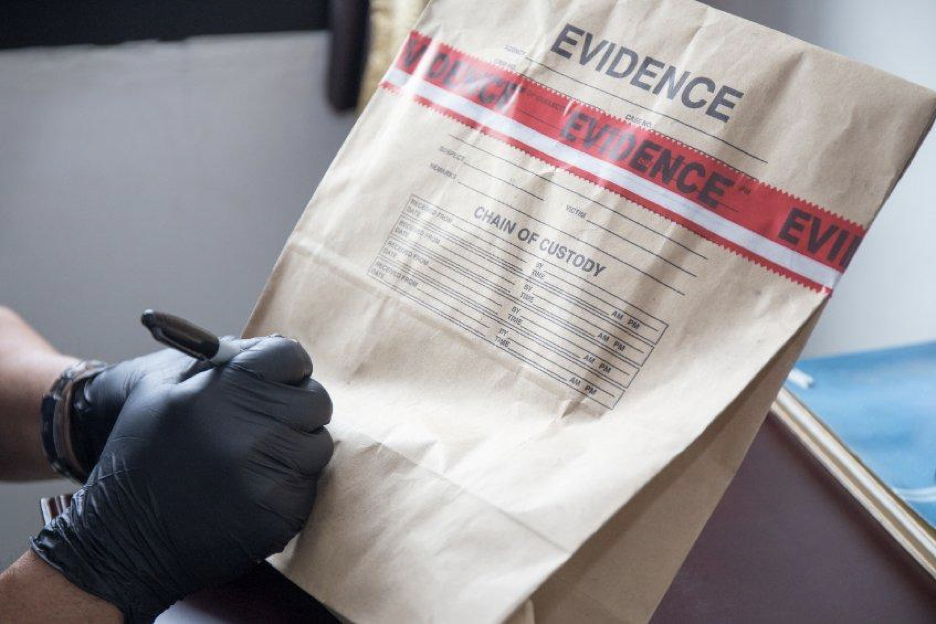
Legal strategies to challenge chain of custody are key in a murder case when you suspect evidence might be unreliable. By carefully examining how evidence was collected, stored, and handled, attorneys can create doubt about its authenticity. Knowing these strategies helps protect a defendant’s rights and strengthens the defense.
Questioning Evidence Handlers
One of the most common strategies is questioning every person who handled the evidence. Attorneys can ask about procedures, documentation, and any irregularities. If a witness cannot clearly explain how they collected, transferred, or stored evidence, it raises questions about its reliability.
Examining Documentation and Logs
Paper trails matter in court. Defense attorneys review every log, form, and signature to spot gaps or inconsistencies. Missing dates, incomplete records, or unclear labeling can be used to argue that the evidence might have been mishandled or tampered with.
Highlighting Breaks in the Chain
Even a small gap in the chain of custody can be critical. Legal strategies focus on showing any time the evidence was unaccounted for, improperly sealed, or stored incorrectly. By presenting these gaps clearly, the defense can argue that the evidence’s integrity is compromised.
Using Expert Testimony
Experts in forensic procedures can explain to the court why errors in handling or documenting evidence matter. They provide professional insight on how mistakes might affect test results, contamination risk, or authenticity. This strengthens the argument that the evidence should not be fully trusted.
Creating Reasonable Doubt
The ultimate goal of these strategies is to create reasonable doubt in the jury’s mind. By carefully analyzing and challenging the chain of custody, defense teams can question the credibility of key forensic evidence and potentially weaken the prosecution’s case.
Impact on the Case Outcome
The impact on the case outcome can be significant when the chain of custody for forensic evidence is challenged. Evidence is only as strong as the process that preserves it, and any mishandling can change the way a jury views the entire case.
Weak Chain of Custody Creates Doubt
When there are gaps or errors in evidence handling, the defense can argue that the evidence might be unreliable. This creates reasonable doubt, which is all a jury needs to question the prosecution’s story. Even a single mishandled piece of evidence can weaken the credibility of the entire case.
Evidence May Be Excluded
In some situations, courts may exclude evidence if the chain of custody is broken. Without that evidence, key parts of the prosecution’s case can collapse. This can be a turning point, especially in cases that rely heavily on forensic proof like DNA, fingerprints, or weapons.
Strengthening the Defense
Challenging the chain of custody gives the defense a strong tool to protect the accused. By highlighting errors, missing documentation, or improper handling, attorneys can make a compelling argument that the evidence should not influence the jury’s decision.
Long-Term Implications
The chain of custody doesn’t just affect one trial; it sets a precedent for how evidence must be handled in future cases. Courts take these challenges seriously, which encourages law enforcement to follow strict procedures and maintain high standards in forensic investigations.
Conclusion
Challenging the chain of custody can turn the tide in a murder case. By spotting errors and inconsistencies in evidence handling, you create doubt about its reliability. Knowing how to question the process effectively ensures justice and strengthens your defense strategy. Chain of custody scrutiny matters.